It’s that time of year again. The Christmas decorations are still up, there’s leftover chocolate everywhere, and suddenly the internet is flooded with “new year, new you” content. Everyone’s talking about transforming their entire lives in January, and honestly? It can feel a bit overwhelming.
Here’s the thing – I’m not going to tell you that January is this magical fresh start where everything suddenly becomes easy. I’m not going to promise that you’ll become a completely different person just because the calendar changed. Because let’s be real, that’s not how life works.
What I will do is share some honest, practical ways to approach the new year that won’t leave you feeling rubbish by mid-February. No pressure, no perfection, just realistic approaches that might actually stick.

Why January Can Actually Be Quite Hard
Can we just acknowledge for a minute that January is a bit rubbish? There, I said it.
You’ve just come off the high of Christmas – seeing family and friends, eating lovely food, having time off work. Then suddenly it’s dark at 4 pm, you’re skint from all the Christmas spending, the weather is miserable, and you’re expected to be super motivated about transforming your entire life.
It doesn’t make sense, does it?
January is genuinely one of the hardest months of the year. The winter blues are real, seasonal affective disorder affects loads of people, and we’re all collectively exhausted from the festive period. Your energy levels are naturally lower, daylight is limited, and you’re probably fighting off the winter germs that everyone’s passing around.
So if you’re not bouncing out of bed on January 1st ready to run a marathon and completely reorganise your life, you’re not failing. You’re just being human.
I’ve learned over the years that acknowledging this reality actually helps. When I stopped beating myself up for not being super productive in January and instead focused on just getting through the month while being kind to myself, everything felt more manageable.
The Problem with Traditional New Year’s Resolutions
Right, let’s talk about why traditional New Year’s resolutions are often a bit pants.
The typical approach goes something like this: You decide on January 1st that you’re going to completely overhaul multiple areas of your life. You’re going to go to the gym five times a week, eat perfectly healthy, read a book every week, learn a new language, and completely reorganise your house. All while working full-time and managing everything else in your life.
What usually happens? By mid-January, you’ve missed a few gym sessions because life got busy. You ate a takeaway because you were exhausted. You didn’t finish that book. And suddenly you feel like you’ve failed at everything.
Here’s what I’ve realised: The problem isn’t you. The problem is the approach.
Traditional resolutions often fail because:
They’re too vague. “Get fit” or “be healthier” doesn’t give you an actual plan. What does that even mean in practice?
They’re all-or-nothing. One slip-up and you feel like you’ve ruined everything, so you give up completely. There’s no middle ground.
They’re too ambitious. Trying to change everything at once is exhausting. Your brain and body can only handle so much change at one time.
They ignore the reality of your life. If you hate running, a resolution to run every day isn’t going to stick, no matter how motivated you feel on January 1st.
They’re often based on what you think you should do rather than what you actually want or need. We pick resolutions based on what everyone else is doing or what we think we’re supposed to want.
I spent years following this pattern. Every January I’d make a long list of resolutions, feel amazing for about two weeks, then gradually let them all slide until I felt rubbish about myself. It wasn’t until I completely changed my approach that things started to actually work.
Setting Intentions vs Setting Goals
This is where things get interesting. Instead of rigid resolutions, I’ve started thinking about intentions and realistic goals. They’re not the same thing, and understanding the difference has honestly been a game-changer.
What’s an Intention?
An intention is more about how you want to feel or who you want to be, rather than specific things you want to achieve. It’s your overall direction of travel, not a destination.
For example:
- “I want to feel more energised” (intention) vs “I will go to the gym 5 times a week” (rigid goal)
- “I want to be more present with my family” (intention) vs “I will have a family dinner every single night” (rigid goal)
- “I want to prioritise my mental health” (intention) vs “I will meditate for 30 minutes daily” (rigid goal)
See the difference? Intentions give you flexibility. They let you find what works for your life rather than following someone else’s formula.
What About Goals Then?
Goals are still important – don’t get me wrong. But they work better when they’re:
Specific and measurable. Instead of “save more money,” try “save £50 per month.”
Realistic for your actual life. If you’re not a morning person, don’t set a goal to wake up at 5 am every day. Work with your natural rhythms, not against them.
Broken down into smaller steps. Big goals are less overwhelming when you split them into monthly or even weekly targets.
Flexible enough to adapt. Life happens. If your goal isn’t working, you should be able to adjust it without feeling like you’ve failed.
I’ll talk more about setting goals that actually work in [another post](link to goal-setting post), but the key is finding the balance between having direction and being kind to yourself when things don’t go exactly to plan.
My Honest Approach to the New Year
I want to share what’s worked for me over the past few years. This isn’t a perfect system, and it won’t work for everyone, but it’s helped me actually make progress without feeling constantly overwhelmed.
I Pick One or Two Main Focus Areas
Instead of trying to fix everything at once, I choose one or two areas that genuinely feel important to me right now. Maybe it’s my health, maybe it’s my finances, maybe it’s just getting through winter without burning out.
This year, for me, it’s about building better routines and actually using the systems I set up. Not exciting or Instagram-worthy, but it’s what I need.
I Start Small and Build Up
Rather than going from 0 to 100 on January 1st, I ease into changes. If I want to exercise more, I don’t immediately buy new gym equipment and commit to going five times a week. I start with a 10-minute walk a few times a week and see how that feels. One of the most significant barriers I find is making time and space to do the activities – I need to get the routine established.
Small changes are more likely to stick because they don’t require massive shifts in your daily life.
I Track Progress Without Obsessing
I keep a really simple note in my phone where I jot down what went well each week. Nothing fancy, just a quick reflection. This helps me see progress over time without getting caught up in daily perfection.
Some weeks are better than others, and that’s okay. The overall trend matters more than individual days.
I Plan for Setbacks
Here’s something nobody talks about enough: You will have off days. You will have weeks where everything goes wrong. Planning for this is crucial.
When I slip up now, I don’t spiral into “I’ve ruined everything, might as well give up.” I just get back on track the next day. No drama, no guilt, just carrying on.
I Check In Regularly
I look at my intentions and goals properly every month, not just at the start of the year. Are they still working? Do they still feel relevant? If not, I adjust them. There’s no prize for sticking to a goal that’s making you miserable.

Handling the January Blues
Let’s be honest – even with the best approach to the new year, January can still feel tough. Here’s what helps me get through it without pretending everything’s sunshine and rainbows.
Accept That It’s Okay to Feel Rubbish
Seriously, stop trying to force positivity. If you’re feeling a bit low in January, that’s completely normal. The key is not letting it spiral into thinking you’re failing at life.
I’ve learned to just acknowledge it: “Yeah, January is a bit grim this year” and then focus on small things that make it slightly better rather than trying to completely transform my mood overnight.
Lean Into Cosy
Instead of fighting against the dark, cold days, I embrace them. January is perfect for being cosy at home. I make my space as comfortable as possible – fairy lights, blankets, hot chocolate, the works.
If you haven’t already, check out my winter dopamine menu for loads of ideas on making winter more bearable.
Get Outside When You Can
Even though it’s cold and often wet, getting outside during daylight hours makes such a difference. I’m not talking about intense outdoor activities – just a walk around the block, sitting by a window with a coffee, anything to catch some natural light.
Natural light helps with seasonal affective disorder and just generally makes you feel more human.
Don’t Isolate Yourself
It’s easy to hibernate in January, but staying connected to people actually helps. Even if it’s just texting a friend or having a quick video call, maintaining those connections stops you from spiralling.
I find it helpful to have something to look forward to, even if it’s just a coffee date at the weekend or a film night with my partner.
Be Gentle with Your Expectations
This is huge. If you’re only functioning at 60% capacity in January because you’re fighting off winter bugs, dealing with the post-Christmas comedown, and struggling with the dark mornings, that’s okay.
Adjust your expectations accordingly. You don’t have to be at peak productivity. Just showing up and doing what you can is enough.
Different Areas to Focus On
Rather than overwhelming you with everything at once, I’ve broken down different areas you might want to focus on for the new year. Pick what feels relevant to you and ignore the rest – you don’t need to do all of this!
Personal Growth and Goals
If you want to focus on setting realistic goals that you’ll actually achieve, I’ve written a whole post about setting New Year’s goals that don’t make you feel awful. It covers how to create SMART goals that work for real life, not just in theory.
The key thing I’ve learned about goals is that they need to be yours, not what you think you should be doing. If everyone else is focused on fitness but you’re more interested in learning something creative, that’s absolutely fine.
Home and Decluttering
January is actually a great time for decluttering – you’ve probably just accumulated more stuff over Christmas, and you’re stuck inside anyway.
I’ve put together a new year decluttering challenge that’s gentle and realistic. No pressure to become a minimalist overnight, just practical ways to make your space work better for you.
There’s something quite satisfying about starting the year with a clearer, more organised space. It’s one of those things that feels like a proper fresh start without requiring massive effort.
Money and Finances
If Christmas has left you feeling skint (same), focusing on your finances in January can really help. I’ve written about post-Christmas money goals, including how to recover from holiday spending and set realistic savings targets.
The beginning of the year is a good time to look at your spending habits and see where you might be able to make changes. But please, don’t beat yourself up about Christmas spending – it happens to most of us.
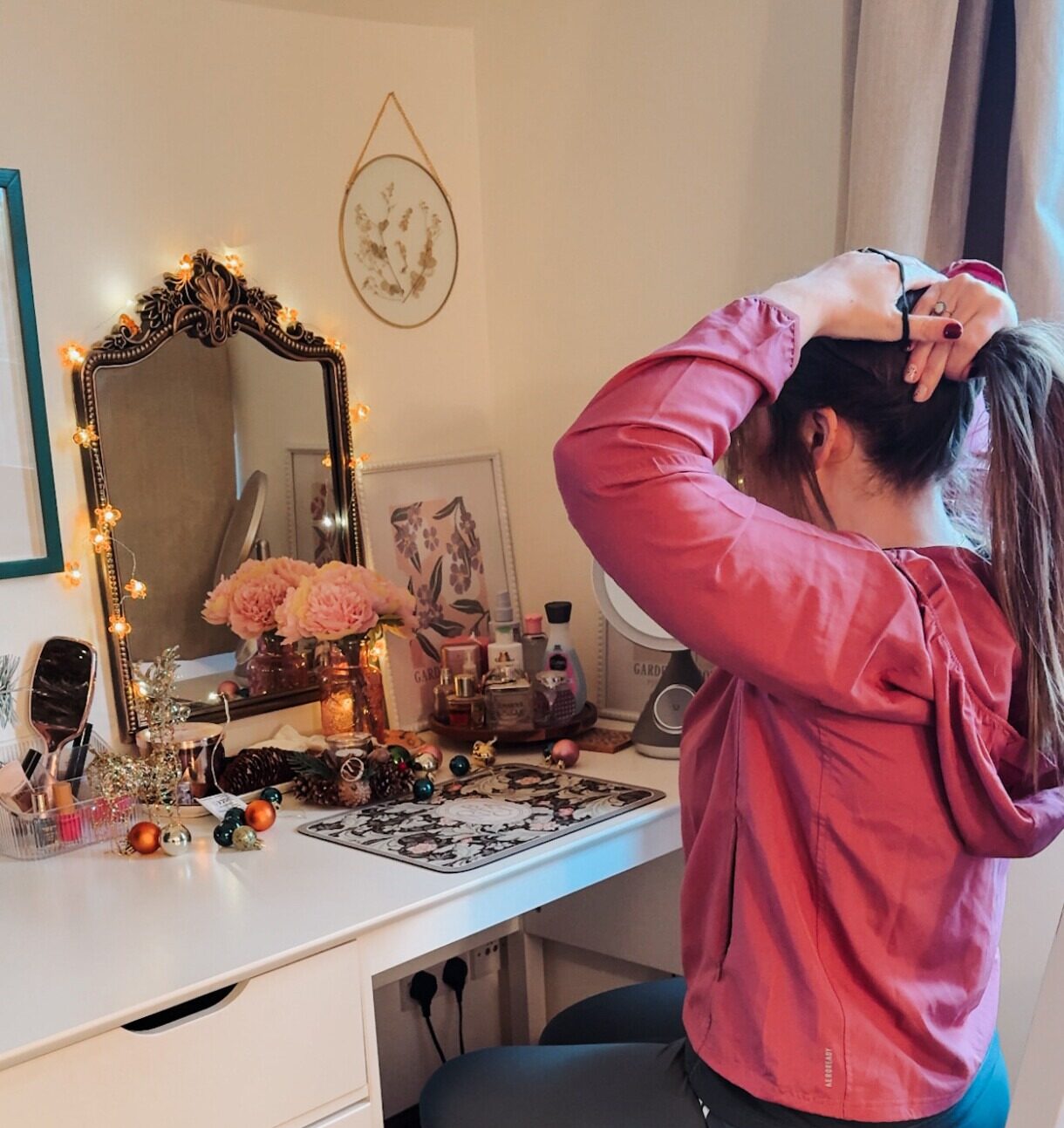
Health and Fitness
Here’s where things often go wrong with New Year’s resolutions. Everyone rushes to join a gym in January, goes a few times, then stops going by February.
If you want to focus on fitness, I’ve written about starting a fitness routine you’ll actually keep up. It’s all about finding movement you enjoy rather than forcing yourself to do exercise you hate.
I’ve also got a post on winter running if that’s your thing – running in winter is a whole different challenge to summer running, and you need the right gear to make it bearable.
Mental Health and Self-Care
This is probably the most important area, especially in January when mental health can take a hit.
My new year self-care post goes beyond face masks and bubble baths to look at comprehensive self-care that actually makes a difference. It includes mental health check-ins, creating routines that support your wellbeing, and budget-friendly self-care ideas.
Self-care isn’t selfish, and it’s not a luxury. It’s essential maintenance, especially during the harder months.
Habits and Routines
If you’re interested in building better habits without the pressure of perfection, check out my post on building habits for the new year. It covers habit stacking, starting small, and how to handle setbacks.
Habits are honestly where the magic happens – small, consistent actions add up over time to create real change. But only if you approach them realistically.
Boundaries and Saying No
This is something I wish I’d focused on years ago. Learning to set boundaries and say no is crucial for protecting your energy and mental health.
I’ve written a post specifically about setting boundaries in the new year, covering how to say no without guilt and why boundaries matter.
If you’re someone who always puts others first and ends up exhausted, this might be worth focusing on.
Style and Wardrobe
If you fancy refreshing your wardrobe sustainably, I’ve got a post on sustainable style updates for the new year. It’s about making the most of what you have, shopping more consciously, and developing your personal style.
January sales can be tempting, but buying loads of stuff you don’t need isn’t actually a fresh start – it’s just more clutter and less money.
Adventures and Experiences
Sometimes what you need isn’t to fix anything, but to give yourself things to look forward to. I’ve written about planning adventures for the year ahead, including budget travel ideas and local experiences.
Having things booked in your diary – even just weekend trips or local days out – gives you something to anticipate during the darker months.
Creating Your Own New Year Plan
Right, so how do you actually put all this together into something workable?
Step 1: Reflect on Last Year
Before rushing into the new year, take some time to think about what worked and what didn’t last year. You don’t need to dwell on it, just notice patterns.
Were there times you felt really good? What were you doing then? Were there times you struggled? What made it harder?
This isn’t about judging yourself, it’s about learning what helps you thrive and what drains you.
Step 2: Identify Your Priorities
What actually matters to you right now? Not what matters to your mate, or what Instagram says should matter, but what genuinely feels important to you.
Maybe it’s getting your finances sorted. Maybe it’s prioritising your mental health. Maybe it’s finally sorting out that spare room that’s been a dumping ground for ages.
Pick one or two main priorities. That’s it. You can have smaller goals in other areas, but trying to focus on everything equally usually means nothing gets proper attention.
Step 3: Set Some Intentions
Based on your priorities, what are your overall intentions? How do you want to feel? What kind of year do you want to have?
These don’t need to be specific or measurable – they’re your guiding principles. Mine for this year are “build sustainable routines” and “say no more often.” Simple, but they guide my decisions.
Step 4: Break It Down
Now, what are some specific, achievable goals that support your intentions? Remember – realistic, flexible, broken down into smaller steps.
If your intention is to feel healthier, your goals might be:
- Walk for 20 minutes three times a week
- Drink more water (specific amount)
- Get to bed by 11 pm on weeknights
See? Nothing dramatic, just practical steps that move you in the right direction.
Step 5: Create Simple Systems
How will you actually remember to do these things? You need systems that work for your brain and your life.
Maybe it’s a reminder on your phone. Maybe it’s linking new habits to existing ones. Maybe it’s putting things out ready the night before so you don’t have to think about it.
The easier you make it, the more likely you are to stick with it.
Step 6: Plan for Reality
When will you review your progress? What will you do when (not if) you have an off week? How will you get back on track?
Having these answers ready before you need them makes such a difference.
Step 7: Be Kind to Yourself
This is the most important step. You’re going to mess up. You’re going to have bad days, bad weeks, maybe even bad months. That’s not failure, that’s life.
The difference between success and giving up is simply whether you get back on track after a setback. That’s it.
Final Thoughts
Look, I’m not going to pretend that following these ideas will make your new year perfect. Life doesn’t work like that, and anyone who promises you a complete transformation is probably trying to sell you something.
What I can tell you is that approaching the new year with realistic expectations, genuine self-compassion, and flexible plans has made a massive difference to me. I actually make progress now, rather than just feeling guilty for not being perfect.
January doesn’t have to be about dramatic changes or becoming a completely different person. It can just be about taking small steps in directions that feel right for you, while being kind to yourself along the way.
If you only take one thing from this post, let it be this: You’re allowed to approach the new year at your own pace, focusing on what matters to you, without the pressure of perfection. That’s not settling or lacking ambition – it’s being realistic and sustainable.
The best fresh start you can give yourself is permission to be human.
What are you focusing on this new year? I’d love to hear in the comments below – and please, be honest! No pressure to have it all figured out.
Related Posts:
this is an excellent post with a lot of really helpful information. i do view january as a fresh new beginning, i feel that thought alone lifts my spirits!! i don’t want to change anything, i like my life the way it is!! i am a knitter and have probably knit more than 50 scarves and cowls!! i know how to crochet and knit and enjoy knitting more, i am not sure why!!