ad. I used to be a fairweather runner. The second the clocks went back, and the temperature dropped, my running shoes would go to the back of the cupboard until spring. I’d tell myself I’d use the garage gym instead, but let’s be honest – I’d usually just hibernate and make excuses until March.
But this winter is different. And it’s not because I’ve suddenly developed superhuman willpower or stopped hating the cold. It’s because I’ve finally invested in proper winter running gear that actually makes me want to get out there.

Why I Stopped Running in Winter
Looking back, my winter running avoidance wasn’t really about the cold or the dark – although those didn’t help. It was about being uncomfortable. I’d layer up random bits from my wardrobe, end up either freezing or overheating, and feel miserable the entire time. My old trainers had zero grip on wet leaves. I couldn’t see where I was going in the dark. And honestly? I felt a bit ridiculous in my mismatched, shabby outfit.
No wonder I’d rather stay in bed.
The thing is, I actually love running. It clears my head, improves my mood, and genuinely helps with my mental health. During the winter months, when energy levels naturally dip and the winter blues creep in, I need that outdoor time more than ever. But I need to feel comfortable and safe doing it.
The Mental Shift
Something clicked for me this year. I realised that if I was going to run through winter, I needed to stop treating it like a punishment and start treating it like something I deserved to enjoy. And that meant having the right gear.
This connects back to my whole dopamine dressing philosophy – wearing things that make you feel good actually changes how you show up. If I’m wearing proper running kit that’s warm, comfortable, and makes me feel put-together, I’m infinitely more likely to get out the door. If I’m cobbling together ancient leggings and a hoodie that’s seen better days, I’m already defeated before I’ve started.
Building My Winter Running Wardrobe
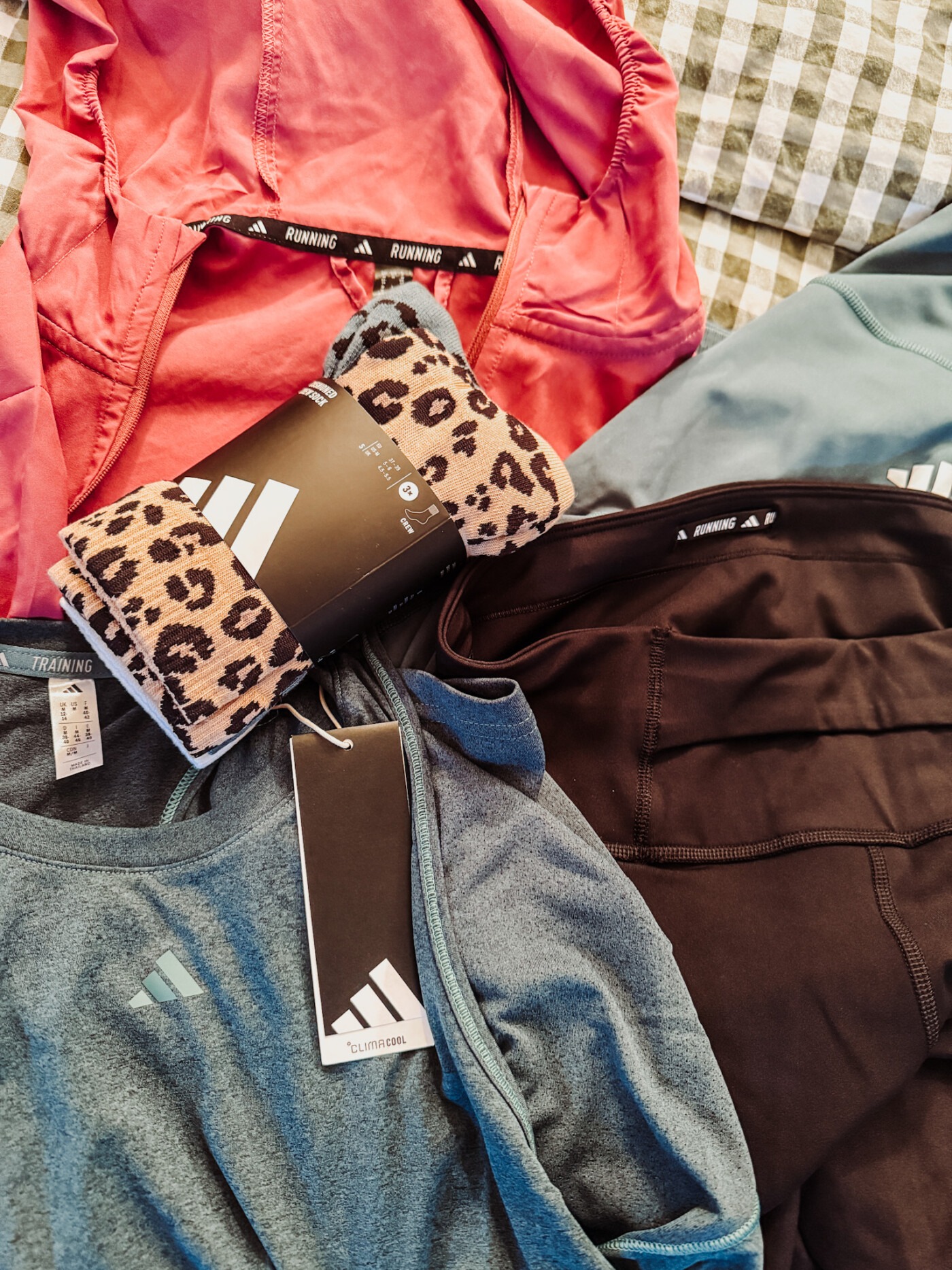
So I’ve been intentionally building a small collection of winter running pieces that actually work. Here’s what’s made the difference:
Base Layers That Actually Work
The foundation of any winter running outfit is a good base layer. I’ve learned that cotton is the enemy – it gets sweaty and then freezing. Instead, I’ve invested in proper moisture-wicking tops that keep me dry and regulate my temperature.
Long-sleeved technical tops are brilliant for layering. On milder days, they work on their own. When it’s properly cold, they go under a jacket. The key is finding fabrics that move with you and don’t feel restrictive.
Thermal Leggings
This was a game-changer. I used to just wear my regular gym leggings and freeze. Thermal running leggings are a completely different experience. They keep your legs warm without being bulky, and the good ones still have enough stretch and breathability that you don’t overheat.
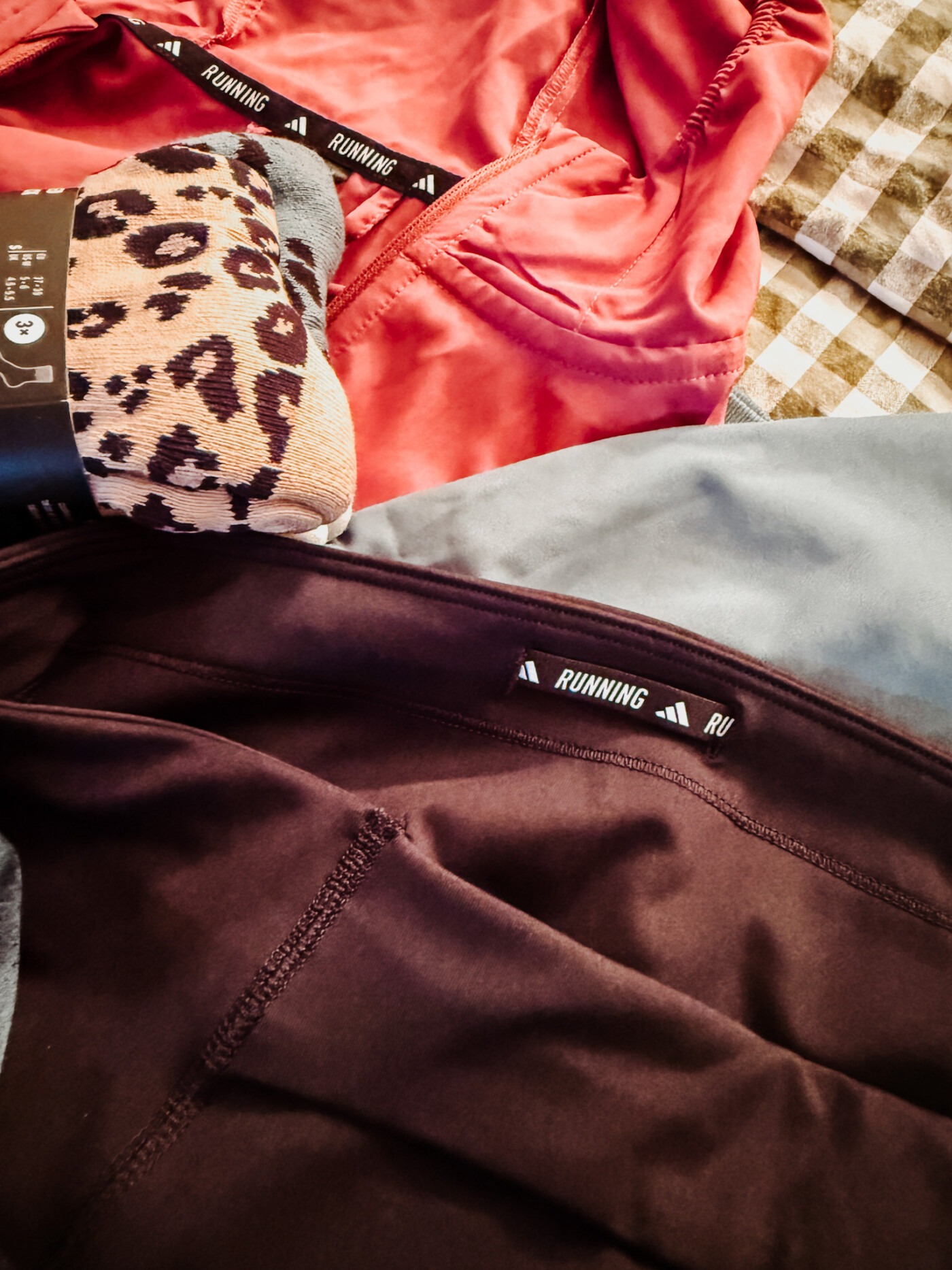
I look for leggings with pockets because there’s nothing worse than trying to run with your phone in your hand or stuffed down your waistband. adidas does some brilliant girls trainers and activewear ranges that include practical features like this – worth checking out if you’re shopping for younger runners in the family too.
A Proper Running Jacket
This is probably the single most important piece in my winter running wardrobe. A good running jacket is lightweight, wind-resistant, and often water-resistant without being a full waterproof (which would make you overheat).
I went for one with reflective details, which is essential when you’re running in the dark. It also has thumb holes in the sleeves, which seems like a small thing but actually makes a huge difference in keeping your wrists warm.
On really cold mornings, I’ll layer this over a long-sleeved base layer. On milder days, it works over just a t-shirt. The versatility means I actually use it constantly rather than it sitting in the cupboard.
Trainers That Can Handle Winter
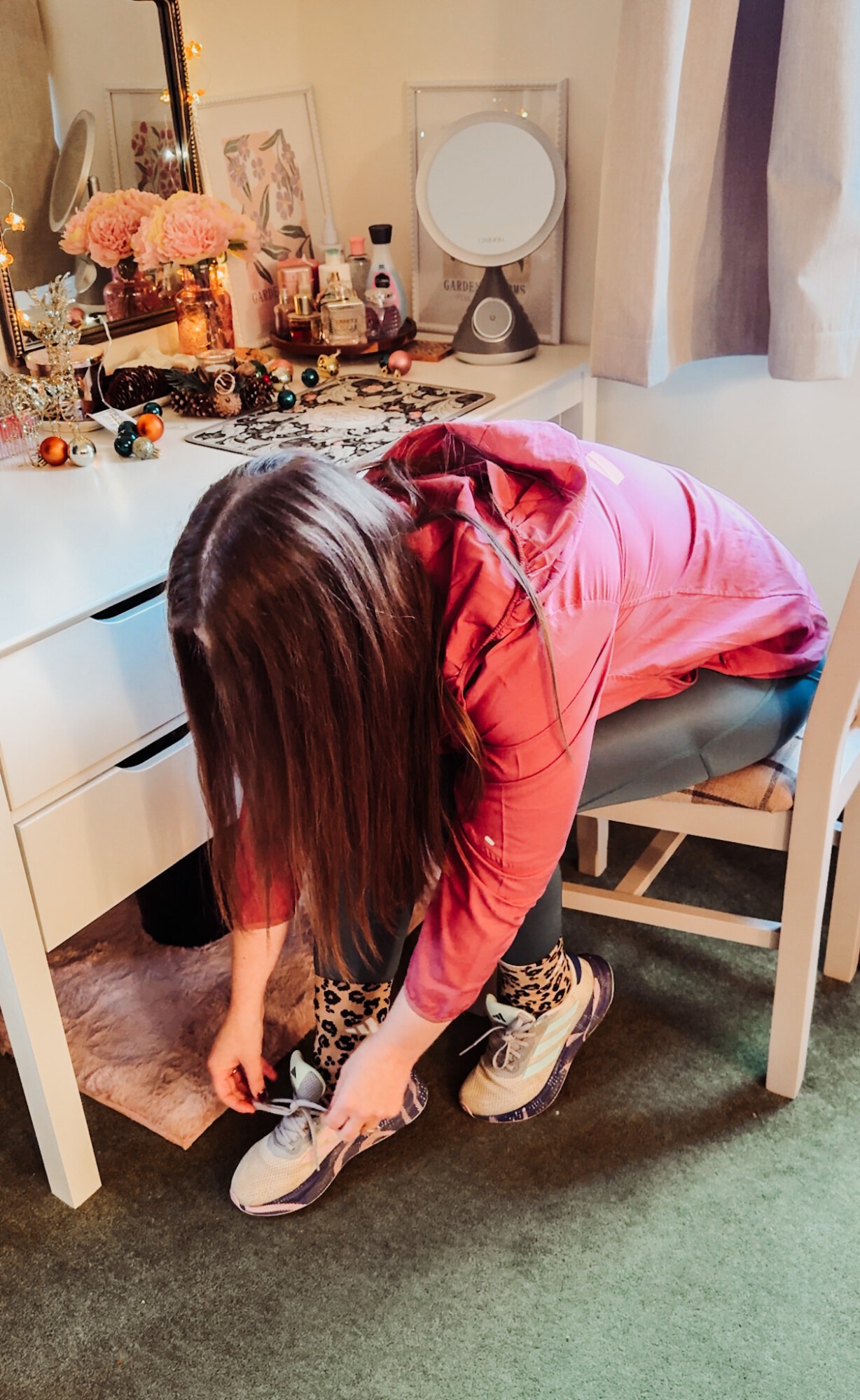
I cannot stress enough how important proper winter running trainers are. My old trainers were fine on dry pavements, but the second there were wet leaves or a bit of rain, I was slipping all over the place. It’s dangerous and frankly terrifying.
I’ve switched to trainers with better grip and traction. Some are specifically designed for trail running but work brilliantly on roads too. The difference in confidence when you know your feet won’t slide out from under you is enormous.
The Extras That Make It Bearable
- Running gloves: Your hands get so cold when you’re running in winter. Lightweight gloves that you can still operate your phone with are essential.
- Headband or beanie: I prefer a headband because a full hat makes me overheat, but this is personal preference.
- High-vis or reflective accessories: If your jacket doesn’t have enough reflective detail, add more. I have a lightweight reflective vest I throw over everything.
- Neck warmer: For those really bitter mornings, a lightweight neck warmer makes all the difference.
Tracksuits for Before and After
Here’s something I didn’t expect: having a comfortable tracksuit to wear before and after runs has actually improved my winter running consistency.
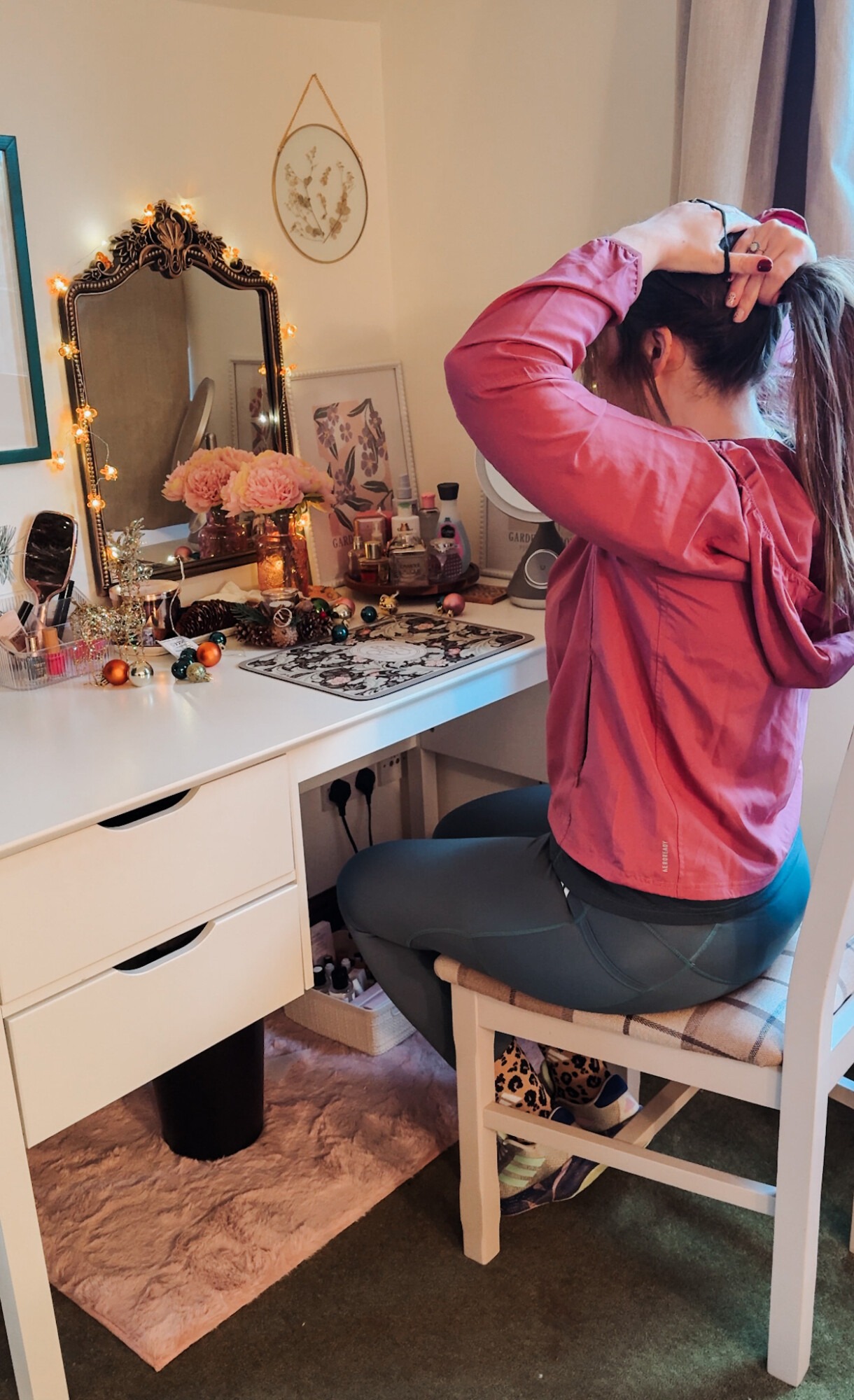
On cold mornings, I’ll put my tracksuit on over my running gear while I have my coffee and properly wake up. It keeps me warm while I’m working up the motivation to get out the door. Then I just take it off, and I’m already dressed to run – no faffing around getting changed.
After a run, when I’m sweaty and cooling down fast, I throw the tracksuit back on immediately. It stops that horrible post-run chill and makes the whole experience more pleasant. Plus, if I need to quickly do the school run straight after, I look reasonably put-together rather than like I’ve just crawled out of a hedge.
The Layering Strategy
The key to winter running is getting the layers right. Here’s what works for me at different temperatures:
Mild (around 10°C):
- Short-sleeved technical top
- Running leggings
- Lightweight jacket if it’s windy
Cold (5-10°C):
- Long-sleeved base layer
- Thermal leggings
- Running jacket
- Gloves
Freezing (below 5°C):
- Long-sleeved base layer
- Another thin layer or vest
- Thermal leggings
- Running jacket
- Gloves
- Headband or beanie
- Neck warmer
The trick is to feel slightly cold when you start. You’ll warm up within the first ten minutes, and if you’re comfortable at the beginning, you’ll be too hot by the end.
How This Changed My Winter Running
Since building up my winter running wardrobe, I’ve actually been consistent with running through the darker months for the first time in years. And it’s not just about having the gear – it’s about removing the mental barriers.
When I know I have a proper kit that will keep me comfortable, I don’t spend the morning talking myself out of it. When I feel put-together in my running outfit, I actually look forward to it rather than dreading it. And when running becomes something I enjoy rather than endure, it’s no longer a struggle to maintain the routine.
The mental health benefits have been huge. Winter can be tough on my mood, and getting outside in the fresh air – even when it’s cold and dark – genuinely helps. There’s something about running that clears my head in a way nothing else does. It’s become part of my winter dopamine menu, a reliable way to boost my energy levels and improve my overall wellbeing.
It’s Worth The Investment
I know that proper running gear isn’t cheap. But here’s how I think about it: if spending money on good winter running kit means I actually use it and stay active through winter, then it’s worth every penny. The alternative is spending months being inactive, feeling sluggish, and then having to start from scratch in spring.
I didn’t buy everything at once. I started with the essentials – good trainers and a decent jacket – and built from there. Sales are your friend. End-of-season sales often have brilliant deals on winter running gear, so keep an eye out.
Also, this isn’t just about running. The thermal leggings work for winter walks. The jacket is perfect for the school run. The tracksuit gets worn constantly around the house. It’s all versatile enough that you’ll get plenty of use from it even if you’re not running every day.
Tips for Actually Getting Out The Door
Having the gear is one thing. Actually using it is another. Here’s what’s helped me maintain consistency:
Get everything ready the night before. Lay out your entire outfit so there’s no decision-making required in the morning. This removes so many excuses.
Wear your tracksuit while you wake up. Put it on over your running gear with your morning coffee. You’re already halfway there. If you have kids to take to school, wear it for the school run so you can run as soon as you get back!
Don’t overthink the weather. Unless it’s genuinely dangerous (ice, lightning), you can run in it. Proper gear makes almost all weather manageable.
Start small. You don’t have to run for an hour. A 20-minute run is better than no run at all. Lower the barrier to entry.
Focus on how you’ll feel after, not during. I’ve never regretted a run. I’ve often regretted not going.
Make it part of your routine. I run on the same days each week (Tuesday, Thursday, Sunday). Having it as a non-negotiable makes it easier to just do it rather than constantly deciding whether to bother.
The Bigger Picture
Building a winter running wardrobe isn’t really about the clothes. It’s about removing the barriers between you and something that’s good for you. It’s about making healthy choices easier. It’s about recognising that you deserve to be comfortable and to enjoy exercise rather than suffering through it.
For me, this connects to a bigger shift in how I approach balancing life and exercise. I used to think I needed to push through discomfort and that making things easier was somehow cheating. But actually? Making things easier means you’re more likely to do them consistently. And consistency is what actually matters.
So yes, I’ve spent money on winter running gear. But I’ve also gained something much more valuable: a sustainable way to stay active through the darkest months of the year. I’ve found a routine that actually works rather than one I abandon after three weeks. And I’ve proven to myself that I’m not a fairweather runner after all – I just needed the right gear.
If you’ve been avoiding winter running because you’re cold, uncomfortable, or just can’t face it, I’d really recommend investing in a few key pieces. Start with good trainers and a decent jacket. Build from there. And see if, like me, you discover that you actually quite enjoy running in winter – you just needed to be warm enough to notice.
Are you a winter runner, or do you hibernate like I used to? What’s your biggest barrier to staying active when it’s cold and dark?