June is such a funny gardening month. Everything you sowed earlier in the year is either romping away or just starting to make you nervous, and you’re left wondering if there’s anything left to actually do with the veg patch. Surely you’ve already sown all you need?
You haven’t. Honestly, June is one of the better months for sowing — the soil is warm, the risk of frost is gone, and there are plenty of crops that actively prefer to go in now rather than earlier. I keep a little running list of what to put in when, because otherwise I’d forget and end up with a hungry gap later in the summer when everything earlier has finished but nothing new is ready yet.
Here are the ten best vegetable seeds to sow in June in the UK, with tips from my own North Yorkshire veg patch.
Updated: September 2026
Carrots
If you sow carrot seeds in June, you can expect a harvest late summer or early autumn, as the main sowing season for carrots extends into early July. I’ve already got two varieties of carrots on the go, and I may pop some more in at the end of the month for successional sowing.
Tips for growing healthy carrots:
- Carrots HATE being transplanted – so direct sowing is the best way. You can sow into large pots earlier in the season indoors, then sow directly outdoors when it’s warm enough.
- Carrots need a lot of moisture, so make sure to give them plenty of water, especially when it’s warm. Use a rose attachment when watering so you don’t damage the stalks.
- Once the true leaves form, thin the carrots out by removing the smaller seedlings so they have enough room to form.
- Sieve compost or add sand to ensure carrots don’t come across anything that will prevent them from growing long! If a carrot hits a stone, it may stop growing or grow in a funny direction.
- To check if they are ready to harvest, check the shoulders of the carrots where the green tops reach the root. Once they are ready, they’ll be easy to pull.
- To protect carrots from carrot fly, focus on prevention, such as physical barriers or companion planting.
Beetroot
June is a great time for beetroot — I actually sowed some today while I was out there. Beetroot is pretty forgiving as vegetables go, and it’s one of the easier ones to get results from if you follow a few simple rules.
- Full sun — beetroot really does need about 6 hours a day
- Sow directly into the ground rather than in pots first; it doesn’t like being transplanted
- Space seeds roughly 10cm apart with 30cm between rows
- Water regularly, particularly during dry patches
- Thin seedlings once they’re big enough to handle — this gives the remaining plants room to develop properly
- Harvest when the roots are about golf-ball size for the sweetest flavour; leave them longer and they can get woody
- Watch for slugs, especially early on
Beetroot seeds often come in clusters, which is why you end up with multiple seedlings in one spot. Don’t panic — just thin them out once they appear.
French Beans
French beans are one of those June sowing jobs that really pays off. They want warm soil — at least 12°C, which most UK gardens have reached by June — and a sunny spot, and then they mostly get on with it.
- Sow directly into the ground; disturbing the roots sets them back
- Check the soil temperature first if you’ve had a cold June — cold soil means poor germination
- Climbing varieties need spacing about 45cm apart; dwarf/bush types need 30–45cm
- Use bamboo canes for climbing types from the start — they go up fast
- Water gently after sowing and keep the soil consistently moist while they establish
- Feed with a high potash fertiliser once they start flowering to boost the crop
The great thing about French beans is how quickly they produce once they get going. A June sowing should give you pods from late August into autumn — a useful gap-filler once early crops are finishing.
Peas
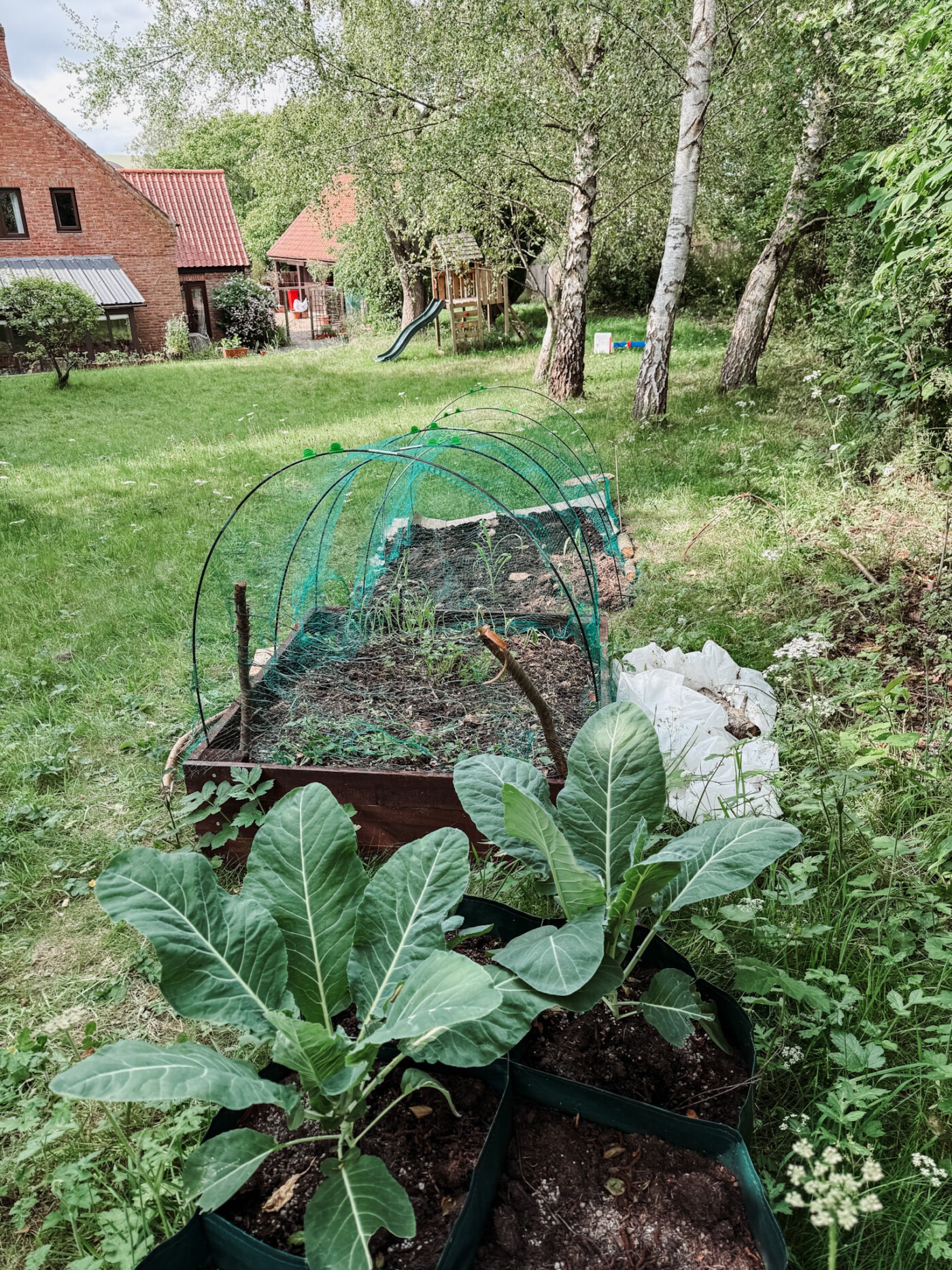
Peas are versatile and nutritious vegetables perfect for sowing in June. Sowing peas in June means you can go on to enjoy fresh, homegrown produce later in the season. I’ve got peas and mangetout growing in my garden!
Recommended types for June sowing
In June, the garden bursts into life with longer days and warmer temperatures. This is a great time to sow peas for a tasty crop.
- Mange Tout peas need picking as soon as you see peas forming. They thrive in sun and need something to climb on.
- Sugar Snap peas are best when their pods swell up. They like sunny spots too and will need support as they grow.
Both types love the early summer weather. Make sure to give them plenty of water and watch out for pests. With a bit of care, you’ll have fresh peas in no time.
Courgettes
Courgettes thrive in warm weather – it’s best to sow indoors a few weeks earlier to get a head start but you can still sow directly outdoors at the start of june. I’ve got a few courgette plants already which are now starting to flower.
How to ensure a high yield
For a high yield when growing courgettes, follow these steps:
- Plant in fertile soil with good drainage for optimal growth.
- Provide consistent moisture through regular watering to promote fruiting.
- Apply a high potash feed, such as tomato food, weekly to support growth and flowering.
- Remove any male flowers to encourage more female flowers, which result in fruit production.
- Harvest courgettes regularly to stimulate continuous production throughout the season.
Sweetcorn
Sow sweetcorn seeds in well-prepared soil with plenty of organic matter to encourage strong growth. Create a block of at least 4 rows for pollination, as the wind helps transfer pollen between plants, resulting in fully formed cobs. I’ve got seven sweetcorn plants out and I’m a bit worried about how they’re going to do!
Preparing soil for sweetcorn seeds
To prepare the soil for sweetcorn seeds, ensure the area receives full sun exposure. Drill the soil to a depth of 8-10 inches, removing any rocks or debris. Then incorporate compost or well-rotted manure into the soil for added nutrients. Next, create mounds of soil 12 inches in diameter and plant four seeds in each mound, spacing them 1 inch apart in a square pattern. Water thoroughly after planting and maintain even moisture throughout the growing season. Finally, cover with mulch to retain moisture and suppress weeds.
Pak Choi
Pak choi is a versatile and vegetable that thrives in the UK’s June climate. Growing pak choi requires attention to watering and spacing, it’s worth it with its crisp, mild leaves.
Sowing techniques for optimal growth
To ensure the best growth for your vegetables, here are some essential sowing techniques to follow:
- Regularly monitor the soil moisture, especially during dry periods, and water as necessary to maintain consistent moisture levels.
- Follow specific sowing instructions for each vegetable variety to ensure proper depth and spacing in accordance with the individual requirements.
- Provide plenty of sunlight exposure by selecting an appropriate location that receives sufficient direct sunlight for your chosen vegetable seeds.
- Consider using high-quality compost or organic fertilisers to enrich the soil and provide essential nutrients for healthy plant development.
- Protect young seedlings from potential pests and environmental stressors by employing suitable methods such as row covers or natural pest deterrents.
- Use mulch to conserve moisture, suppress weed growth, and regulate soil temperature around the base of the plants for optimal growing conditions.
Spinach
Spinach is a fantastic choice for summer sowing It’s quick and easy and is packed with nutritional value, it’s a must-have in your vegetable garden.
Tips for growing Spinach:
- For a continuous harvest, sow new rows every few weeks.
- Consider planting garlic or chives nearby to deter pests.
- Protect seedlings with garden hoops and mesh if needed.
- If it bolts, collect the seeds for future planting!
Florence Fennel
Florence Fennel is a vegetable that has a distinct aniseed flavour. It can be enjoyed raw in salads, roasted for a sweeter flavour, or cooked in various dishes. The leaves and stems are also edible and can be used as a garnish or in cooking.
Tips for growing fennel
- Florence fennel prefers slightly sandy soil with good drainage and dislikes heavy clay or waterlogged conditions.
- For direct sowing, sow in late spring/early summer once the soil warms up, in rows 30cm apart.
- Feed with a high-potassium fertiliser every two weeks once established.
- As the bulb starts to swell, mound soil up around it to blanch it, excluding light and creating a white, tender bulb.
- Pick the bulbs when they are no larger than a tennis ball, about 10cm in diameter.
Swiss Chard
Swiss chard, also known as chard, is a leafy green vegetable with a slightly bitter taste, related to beets and spinach. It has large, green leaves and colourful stalks, which can be white, yellow, or red. The leaves and stalks can be prepared separately and cooked in various ways, including sautéing, braising, and roasting. I’m quite excited about this one as I’ve just planted some for the first time today!
- Swiss chard prefers full sun, but it can tolerate partial shade.
- For a continuous harvest, sow new seeds every couple of weeks.
- Chard can also be grown in containers, which is a good option for smaller spaces or areas with poor soil.
- Chard grows well with other root crops like carrots, turnips, and parsnips, as well as spinach and kale.
So there you have it, 10 vegetables to get growing in June! You may also want to consider runner beans, spring onions, salad leaves, Brussels sprouts and winter squashes!
Frequently Asked Questions: Sowing Vegetables in June
Is it too late to sow vegetables in June?
No — June is actually a great time to sow many vegetables in the UK. The soil is warm, frost risk is gone, and crops like beetroot, French beans, courgettes, carrots, peas, pak choi and spinach all do well from a June sowing. You won’t get as long a season as an earlier sowing, but you’ll still get a good harvest before the first autumn frosts.
What is successional sowing and should I be doing it in June?
Successional sowing means sowing small amounts of the same crop every few weeks rather than everything at once. This staggers your harvest so you’re not drowning in courgettes one week and then having nothing for two months. June is a good time to do a second sowing of carrots, beetroot and lettuce if you already sowed some earlier in the year.
Can I sow tomatoes in June?
It’s getting late for tomatoes in June, particularly in the north of the UK. Tomatoes need a long growing season and are usually started from seed in February or March. You might get away with buying plug plants or young plants from a garden centre in June and planting those out, but sowing from seed in June won’t give them enough time to produce a decent crop outdoors.
What vegetables can I direct sow in June?
Most of the crops in this list are best direct sown (sown straight into the ground or a container, rather than in trays first). Carrots, beetroot, French beans, peas, pak choi, spinach, Swiss chard and Florence fennel all prefer to go straight into the ground where they’ll grow. Courgettes and sweetcorn can also be direct sown in June, though courgettes started indoors a few weeks earlier will be further ahead.
What should I be harvesting in June?
If you sowed earlier in the year, June is the month you start reaping the rewards. Broad beans, early salad leaves, radishes, spinach, spring-sown peas, and strawberries are all potentially harvestable in June depending on what you planted. Early potatoes might be coming up if you chitted them back in January or February.
See also –