ad. It’s not a secret that I love plants. I’m about two plants away from divorce, so I decided to learn about some benefits of plants to justify buying more. So the next time my husband comes home to find a new 4ft Areca palm in the entrance hall, I will be prepared with my rational (or excuses) as to why we need a few more houseplants.
If you have the same husband problems as I do, then don’t worry – I’m here to give you more reasons why having more houseplants is a fantastic idea.

Can Plants Purify Indoor Air?
Studies have shown that certain indoor plants can help remove harmful pollutants and improve indoor air quality. Plants like the spider plant, the snake plant (Sansevieria trifasciata), and the peace lily can help remove harmful toxins from indoor spaces. These plants absorb volatile organic compounds (VOCs), such as benzene and formaldehyde, through their leaves.
NASA’s Clean Air Study found that some houseplants reduce indoor air pollution by breaking down these pollutants. Boston fern, English ivy (Hedera helix), bamboo palm (Chamaedorea seifrizii), and aloe vera also showed strong results in removing toxic gases. As they absorb carbon dioxide for photosynthesis, these hardy plants release fresh oxygen into your interior environments.
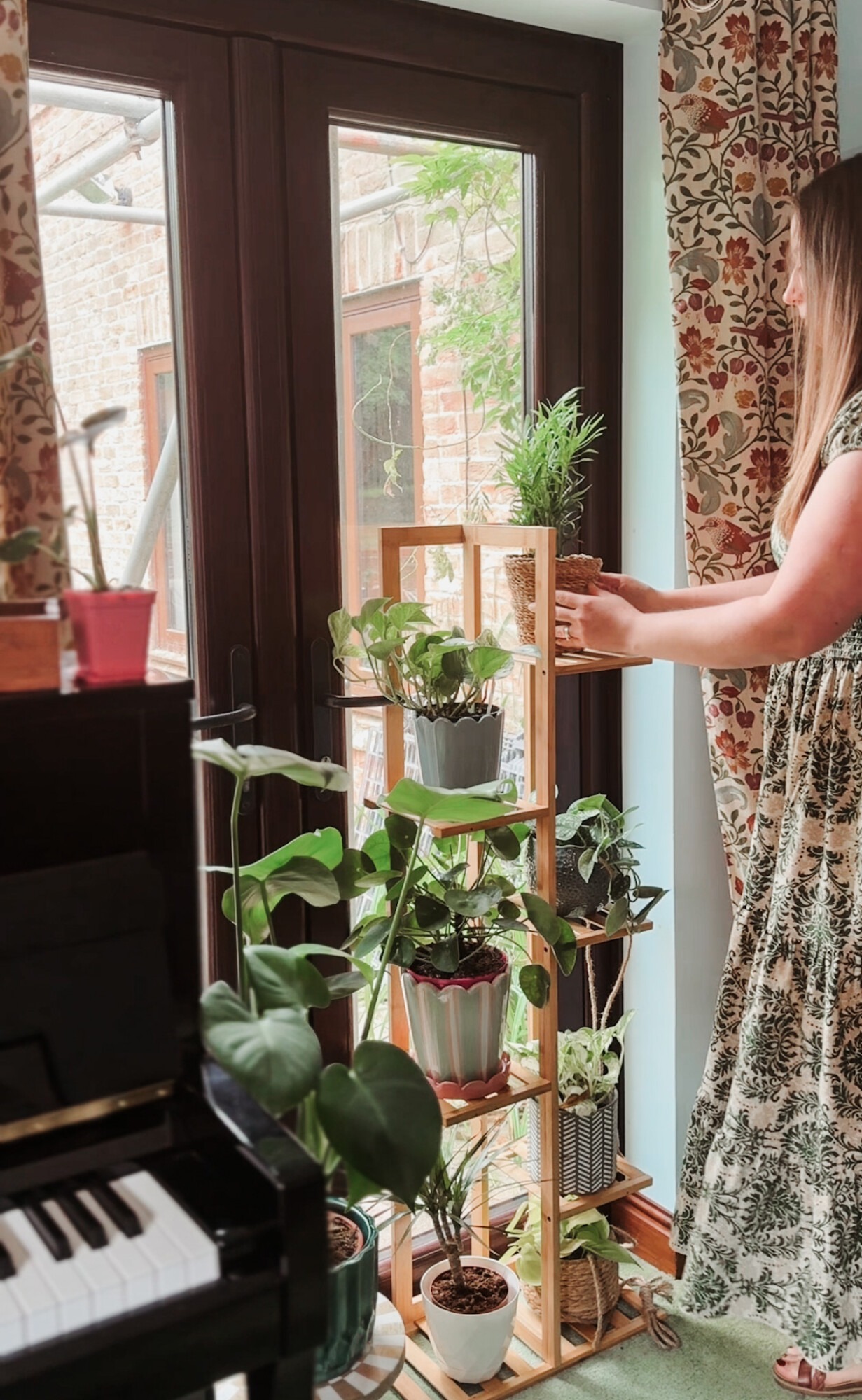
Key Benefits of Air-Purifying Plants
Removal of harmful indoor pollutants
Plants purify the air by absorbing gases such as formaldehyde, benzene, and nitrogen oxides. These gases collect in indoor areas from furniture, cleaning products, paints, and outdoor air that seeps inside.
NASA’s Clean Air Study showed plants such as peace lilies and dracaena fragrans can remove up to 87% of indoor toxins in a day. A plants leaves take in volatile organic compounds (VOCs) through small pores called stomata. Their roots also help break down harmful chemicals with the aid of soil microbes.
English ivy and rubber plant are both effective in reducing pollutants inside your home or office. Placing a mother-in-law’s tongue (snake plant) or a chlorophytum comosum (spider plant) near sources of pollution can make a difference in improving human health and providing fresher air.
Regulation of indoor humidity
Air-purifying plants help balance indoor humidity levels. Their leaves take in water from the soil and release moisture into the air through a process called transpiration. This adds natural humidity, which can make dry indoor places feel more comfortable. Higher humidity reduces dust and lowers indoor concentrations of allergens.
Snake Plant and Nephrolepis exaltata are good choices for this purpose. These plants thrive in both low-light and indirect-light conditions, while also helping to improve air quality and regulate indoor environmental conditions.
Reduction of allergens and dust
Houseplants help reduce allergens and dust in your home. They trap particles from the air, which makes it cleaner. Dust can exacerbate allergies and asthma, so keeping plants around can help mitigate these risks. Cleaner indoor spaces can also improve mental health.
Enhanced oxygen levels
Air-purifying plants boost oxygen levels in your home. They take in carbon dioxide and release fresh oxygen during photosynthesis. This process improves air quality and makes indoor spaces feel fresher.
Having more oxygen can also enhance your mood. Cleaner air may reduce stress and create a calming atmosphere at home.

Top Air Purifying Plants
Snake Plant
Snake plants, also known as Zamioculcas zamiifolia, are popular air-purifying plants. The best thing about snake plants is that they thrive in low light and require minimal watering, making them easy to care for. These hardy plants also help regulate indoor humidity levels. Their ability to release oxygen at night can also improve your sleeping environment. With a snake plant in your home or office, you can enjoy fresh air while adding a touch of style to your decor. They make a good starter plant as they are hard to kill.
Peace Lily
Peace Lilies are lovely houseplants that purify indoor air by removing harmful VOCs from the air. Their dark green leaves add a touch of beauty to any space. The Peace Lily also helps regulate indoor humidity. It releases moisture into the air, which makes rooms feel more comfortable. This plant is easy to care for and thrives in low light conditions. Plus, its white flowers are beautiful.
Are Peace Lilies Toxic to Humans?
Yes, peace lilies are mildly toxic to humans if ingested. Whilst they’re excellent air-purifying plants, it’s important to know about their safety, especially if you have young children in your home.
Peace lilies contain small, insoluble calcium oxalate crystals in all parts of the plant – the flowers, leaves, and stems. If someone chews or swallows part of a peace lily, it can cause immediate mouth and throat irritation. Common symptoms include burning or tingling sensations in the mouth, swollen lips and tongue, oral pain, nausea, and vomiting.
The good news is that the toxicity level is mild, and reactions can usually be managed at home. Peace lilies are far less dangerous than true lilies (from the Liliaceae family), which are highly toxic. Despite sharing the name “lily”, peace lilies belong to a different plant family (Araceae) and pose a much lower risk.
Safety Tips for Peace Lily Owners:
- Keep peace lilies out of reach of young children and curious toddlers
- Wear gloves when repotting or handling the plant, especially if you have sensitive skin
- If someone accidentally chews on a peace lily, gently wipe out their mouth and help them rinse with water
- Offer ice chips or frozen treats to soothe any mouth irritation
- Contact your GP or NHS 111 if symptoms are severe or persist
In 2005, peace lilies were one of the most common household plants that Poison Control was called about. However, this doesn’t mean you should avoid them entirely. With proper placement and awareness, peace lilies can be safely enjoyed in most homes. Simply position them on high shelves, mantlepieces, or in rooms where children don’t frequently play.
Despite the mild toxicity, peace lilies remain popular houseplants for good reason – they’re incredibly effective at purifying indoor air, they’re easy to care for, and they add natural beauty to any space. Just treat them with the same common-sense precautions you would with any houseplant.
Spider Plant
Spider plants are great for indoor spaces. They also remove harmful VOCs from the air and reduce indoor humidity levels, making your home feel more comfortable.
Caring for spider plants is simple. They thrive in bright, indirect light but also tolerate low light. Water them when the top of the soil feels dry to the touch. With proper care, they will develop long, green leaves and small offshoots called “pups.” You can propagate these to make more spider plants!
I have four spider plants and cannot get enough of them!


Bamboo Palm
The Bamboo Palm is another great plant for purifying indoor air. This palm thrives in low light and needs moderate watering. Its lush leaves can enhance interior spaces with a fresh look.
Many people find that having this plant also improves their mood. The natural beauty of the Bamboo Palm brings life into any room while keeping indoor air clean.
English Ivy
English Ivy is another excellent plant that removes harmful pollutants, such as formaldehyde and benzene, from the air.
Caring for English Ivy is simple. Place it where it gets indirect light, but avoid harsh sunlight. Water it regularly to keep the soil moist, but avoid overwatering. With proper care, this plant thrives, adding beauty while improving the air quality in your space.
Compact Dragon Tree
This is a slow-growing, compact dragon tree which is easy to care for. It looks like a bright spot, but it also tolerates low light.

Tips for Caring for Air-Purifying Plants
Proper placement for maximum air purification
Place your air-purifying plants in spots with good airflow. For optimal results, place them near windows or doors, as this helps them filter the air more effectively. Plants like the Snake Plant and Peace Lily work well near light sources.
Please don’t put these plants in dark corners. They need some sunlight to thrive and clean the air. Keep them away from heat sources as well; this can cause them to dry out. Proper placement boosts their ability to remove VOCs, making your indoor space healthier.
Watering and light requirements
Air-purifying plants require a suitable balance of water and light. Most of these plants prefer bright, indirect light. Direct sunlight may harm them or cause their leaves to burn. Some plants thrive in lower light conditions, making them ideal for darker spaces.
Watering needs vary between species. Some prefer to dry out a bit before the next watering, while others enjoy consistently moist soil. Check the top inch of the soil to see if it feels dry. I like to use a moisture metre to check the soil.
You can water your plant only when needed to avoid overwatering issues. It’s easier to kill a plant by overwatering it than by under-watering.

Treat Yourself To Air-Purifying Plants!
Air-purifying plants can change your home for the better. They clean the air and make it fresher. I also love how plants look in my home, plus taking care of them really does something good for my soul. Plant care is basically self-care.
BloomBox has a great selection of air-purifying plants! So check them out!
Related posts:
As someone with a lung condition, having air purifying plants in my home would be beneficial for me I think! x
Lucy
I’m so here for this argument! Haha. We’ve got quite a decent amount of house plants – Although it feels like I’m teetering on the edge with a lot of them at the moment between life and death – Eeek! These are some great examples of air purifying plants. I really need to add a spider plant to my collection. It’s shocking we’ve not got one yet.
Claire.X
I am in full support of this. Our garden is beautiful in bloom so many of our indoor plants have gone out there but I’m already planning ahead for Autumn!
Rosie
I love houseplants but hubby isn’t keen (his Mum had loads of half dead, ugly plants everywhere). This article enabled him to see why we need them, thanks for the support.