Every January, gyms are packed. Everyone’s signed up with good intentions, ready to transform their fitness. By mid-February, it’s back to the regulars.
I’ve been that person who joins the gym in January, goes religiously for three weeks, then never again, but continues paying for months out of guilt.
The problem isn’t a lack of willpower or motivation. It’s that we approach fitness completely wrong. We try to go from nothing to intense exercise overnight, we pick activities we hate because we think we “should” do them, and we make it way more complicated than it needs to be.
Here’s what I’ve learned: Sustainable fitness isn’t about transformation. It’s about finding movement you actually enjoy and building it into your life gradually.
- Why January Gym Memberships Often Fail
- Finding Exercise You Actually Enjoy
- Starting Small With Home Workouts
- Winter Running Tips
- Fitness for Beginners Without the Instagram Pressure
- Creating a Sustainable Workout Schedule
- Tracking Progress Without Obsessing
- Fitness Apps and YouTube Channels Worth Trying
- Making Exercise Easier
- When You Don’t See Results Immediately
- Final Thoughts
Why January Gym Memberships Often Fail
Let’s start by understanding why the traditional approach doesn’t work.
You Go Too Hard Too Fast
You’ve done no exercise for months (maybe years). Then on January 2nd, you decide you’re going to go to the gym five times a week.
Your body isn’t ready for that. You get sore, exhausted, maybe injured. It stops being manageable and starts being miserable.
Humans don’t maintain behaviours that make them miserable.
You Pick Exercise You Hate
You join a gym because you think you “should.” You force yourself onto the treadmill even though you hate running. You do classes that don’t suit your fitness level or interests.
If you dread your workout, you’ll find excuses not to do it. That’s not laziness, that’s human nature.
It’s Not Actually Convenient
A gym might sound convenient, but is it really?
- Is it actually on your route to/from work?
- Do you have to pack a bag and remember it?
- Is it busy at the times you can go?
- Does getting there take effort?
Every bit of friction is a reason not to go.
You Make It Too Complicated
Special workout clothes, gym bag, shower stuff, perfectly planned routine, tracking every rep and set…
The more complex you make it, the more overwhelming it becomes, and the easier it is to just… not bother.
It Costs Too Much
Gym memberships aren’t cheap. When money is tight (especially post-Christmas), that monthly payment becomes guilt-inducing.
You’re paying for something you’re not using, which makes you feel worse, which makes you less likely to go.
Life Gets in the Way
The initial motivation fades. Work gets busy. The kids get ill. The weather is horrible. You’re tired.
If your fitness routine only works when life is perfect, it won’t work at all because life is never perfect.
Finding Exercise You Actually Enjoy
This is the most important thing. You need to find movement that doesn’t feel like punishment.
Types of Exercise to Consider
Walking: Free, accessible, low-impact. You can walk anywhere, any time. It’s genuinely underrated.
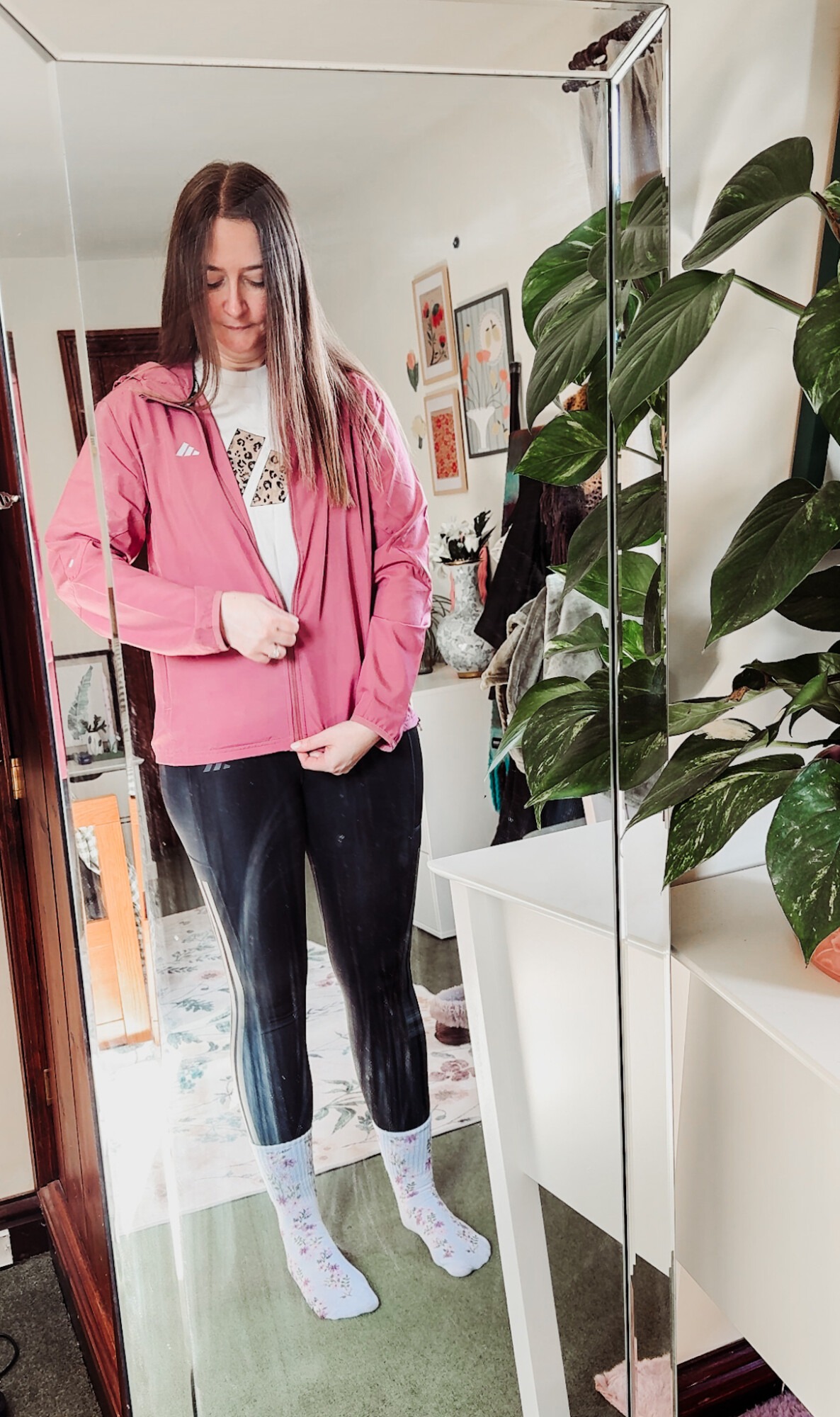
Running: Once you build up to it, it’s great for mental health, and you don’t need much equipment. I’ve written more about this in my winter running wardrobe post.
Swimming: Low-impact, full-body workout. Brilliant if you have joint issues.
Cycling: Good for building up fitness, gets you places, and has less impact than running.
Dancing: Fun, social (if you do classes), doesn’t feel like exercise.
Yoga/Pilates: Flexibility, strength, mental health benefits. Loads of free videos online.
Weight training: Strength building, confidence boosting, can be done at home or at the gym.
Sports: Football, tennis, badminton, etc. Competitive element keeps it interesting for some people.
Home workouts: Bodyweight exercises, following videos. Convenient and free.
Exercise classes: Spin, Zumba, boxing, whatever interests you. The social aspect helps motivation.
Active hobbies: Rock climbing, martial arts, hiking, whatever gets you moving while doing something you find interesting.
How to Find Your Thing
Try stuff: You won’t know what you like until you try it. Give things a few goes before deciding.
Think about your personality:
- Competitive? Team sports might work
- Introverted? Solo activities like running or home workouts
- Like being outside? Hiking, cycling, running
- Prefer structured? Classes with instructors
Consider what worked in the past: What did you enjoy as a kid? That might give clues.
Be honest about what you hate: If you hate running, don’t run. There are literally dozens of other options.
My Journey
I tried loads of things before finding what works for me. I hated the gym (boring, intimidating, inconvenient). I tried yoga (loved it, but not as a main exercise). I tried swimming (logistics of getting to the pool put me off).
Running ended up working because:
- I can do it from my door
- It’s free
- It helps my mental health
- I can do it alone (introvert wins)
- I can see progress
Your ideal might be completely different, and that’s fine. Find what works for you, not what works for someone else.
Starting Small With Home Workouts
If the gym isn’t your thing, home workouts are a brilliant option.
Benefits of Home Workouts
Convenience: No travel, no bag packing, no having to leave the house.
Cost: Completely free if you use YouTube videos or basic equipment.
Privacy: No one is watching you struggle through exercises or being self-conscious.
Flexibility: Do it whenever suits you, even at 6 am or 10 pm.
No excuses: “I can’t get to the gym” doesn’t work when the workout is in your living room.
Starting Point
You don’t need any equipment to start. Bodyweight exercises are plenty:
Basic moves:
- Squats
- Press-ups (or modified on knees)
- Lunges
- Planks
- Glute bridges
- Mountain climbers
Start with just 10 minutes. Literally 10 minutes. Do a few of each exercise, as many reps as you can manage.
Building Up
Once 10 minutes feels manageable, add five more minutes. Then another five. Gradually build up.
You can add basic equipment as you progress:
- Resistance bands (cheap, versatile, don’t take up space)
- Dumbbells (start light!)
- Yoga mat (makes floor work more comfortable)
But honestly, you can get fit with just your bodyweight.
Following Workout Videos
YouTube has thousands of free workout videos. Some brilliant channels (I’ll list more later):
- The Body Coach (Joe Wicks)
- Yoga with Adriene
- Fitness Blender
- Pamela Reif
Pick a beginner video and follow along. The instructor talks you through everything.
Creating a Workout Space
You don’t need a dedicated gym room. Just clear a bit of space in your living room or bedroom.
Put on workout clothes (even if you’re not leaving the house – it helps mentally), put your phone on do not disturb, and press play.
The clothes thing genuinely helps. It’s a psychological trigger that signals “we’re doing this now.”

Winter Running Tips
Since I mentioned I love running, and it’s currently winter, let me share some tips for winter running specifically.
I’ve written a full post about building a winter running wardrobe, but here are the basics.
Why Winter Running is Hard
It’s dark. It’s cold. It’s often wet. Getting out the door is much harder than in summer.
But it’s also quite satisfying once you’re out there. And the mental health benefits of being outside in daylight (even grey daylight) are real.
Essential Winter Running Gear
Layers: Base layer, mid layer, waterproof if needed. You can take layers off as you warm up.
Reflective gear: It’s dark – drivers need to see you. Reflective vest, lights, bright colours.
Good socks: Wet feet are miserable. Get proper running socks.
Hat and gloves: You lose loads of heat through your head and hands.
Trail shoes if icy: Better grip than road shoes.
Winter Running Safety
- Run during daylight if possible
- Tell someone your route
- Wear visible/reflective clothing
- Be careful of ice and slippery leaves
- Run against traffic so you can see cars
- Take your phone
Making It Easier
Run at lunchtime: If you can, midday is lightest and (marginally) warmest.
Commit to just getting dressed: Tell yourself you only have to put on running clothes. Often, once you’re dressed, you’ll go. But if you don’t, at least you tried.
Have a backup: If it’s truly horrendous, have an indoor workout as a backup so you still move.
Join a running group: Other people expecting you makes you more likely to go. Plus, safer running in the dark.
Set realistic expectations: You will be slower in winter. That’s fine. You’re still running.
Fitness for Beginners Without the Instagram Pressure
Social media makes fitness look a certain way. Perfectly toned bodies, elaborate gym setups, complicated meal plans, and workout gear that costs a fortune.
Forget all that.
Real Beginner Fitness
You will be rubbish at first. Everyone is. That’s literally what “beginner” means.
You will get out of breath quickly. Your fitness improves over time. Be patient.
You won’t see visible results for weeks or months. But you’ll feel better before you see physical changes.
You don’t need expensive gear. Basic trainers and comfortable clothes are enough.
You don’t need to track everything. Apps and data are fine if you enjoy them, but they’re not necessary.
You don’t need a perfect plan. Just move your body regularly. That’s enough to start.
Starting Points for Different Fitness Levels
Complete beginner (no regular exercise):
- Start with 10-15 minute walks daily
- Add gentle stretching or beginner yoga
- Build up before trying anything more intense
Some fitness (occasional activity):
- 20-30 minute workouts 3 times a week
- Mix of cardio and strength
- Gradually increase frequency and intensity
Moderate fitness (regular activity):
- 30-45 minute sessions 4-5 times a week
- More challenging workouts
- Focus on specific goals
Be honest about where you actually are, not where you think you should be.
Forget About Weight Loss
I know, I know. That’s why many people start exercising.
But focusing only on weight loss often leads to:
- Obsessive behavior
- Disappointment when results don’t come fast enough
- Giving up when the scale doesn’t move
- Unhealthy relationship with exercise
Instead, focus on:
- Getting stronger
- Improving endurance
- Better sleep
- Improved mood and mental health
- More energy
- Feeling capable and powerful
Weight might change; it might not. But those other benefits are guaranteed if you keep moving.
Creating a Sustainable Workout Schedule
The best workout schedule is one you’ll actually stick to.
Start With Two Days a Week
Not five. Not seven. Two.
Pick two days that work consistently. Maybe Monday and Thursday. Maybe Tuesday and Saturday.
Make them non-negotiable for one month. That’s it. Build the habit of exercising twice a week before you try to do more.
Use Habit Stacking
Link your workout to something you already do consistently.
“After I drop the kids at school, I do my workout” “After breakfast on Saturday, I go for a run” “Before my shower in the evening, I do 15 minutes of exercise”
Check out my post on building habits for more on this technique.
Be Realistic About Your Life
If you’re not a morning person, don’t plan to work out at 6 am. You won’t do it.
If evenings are chaotic with kids, don’t plan evening workouts.
Work with your actual schedule and energy patterns, not an idealised version.
Schedule It Like an Appointment
Put it in your calendar. Treat it like any other commitment.
If someone asks if you’re free at that time, you’re not. You have an appointment.
Have a Backup Plan
What will you do if:
- The weather is horrible
- You’re feeling ill (not sick enough to skip, but not 100%)
- Your scheduled time gets disrupted
- You’re travelling
Having backup options means you don’t abandon everything when plans change.
Tracking Progress Without Obsessing
Tracking can be motivating, but it can also become obsessive. Find the balance.
What to Track (Maybe)
Workouts completed: Simple tick on a calendar. Shows consistency over time.
How you feel: Energy levels, mood, sleep quality. Often more meaningful than physical measures.
Strength/endurance improvements: Can you do more reps? Run further? Hold plank longer?
Measurements if you want: But don’t do this daily. Monthly at most.
What Not to Track
Daily weight: It fluctuates for loads of reasons (water retention, time of month, etc.). Daily tracking often causes unnecessary stress.
Every calorie burned: Exercise calorie estimates are notoriously inaccurate and can lead to obsessive behaviour.
Everything you eat: Unless medically necessary, tracking every bite can become disordered quickly.
The Progress Photo Trap
Progress photos are everywhere on social media. They can be motivating for some people.
But they can also:
- It makes you fixate on appearance over how you feel
- It’s discouraging if you don’t see visual changes quickly
- Lead to unhealthy comparison
If they don’t serve you, skip them.
Non-Scale Victories
Pay attention to these instead:
- “I can run for 20 minutes without stopping now”
- “I’m sleeping better”
- “My mood is more stable”
- “I have more energy to play with my kid”
- “I carried all the shopping in one go”
- “I don’t get out of breath going upstairs”
These are real progress even if the scale hasn’t moved.
Fitness Apps and YouTube Channels Worth Trying
Here are resources I’ve found actually helpful (not sponsored, just genuinely useful).
For Running
Couch to 5K: Brilliant for complete beginners. Gradually builds you up to running 5K over 9 weeks.
Strava: Track runs, connect with others, see your progress over time.
Nike Run Club: Guided runs, training plans, tracking.
For Home Workouts
YouTube Channels:
- Yoga with Adriene: Gentle, accessible yoga for all levels
- The Body Coach (Joe Wicks): High-energy workouts, good for beginners
- Fitness Blender: Huge variety, clear instructions
- Pamela Reif: Short, effective workouts (more intermediate)
Apps:
- Nike Training Club: Free workouts for all levels
- Down Dog: Customizable yoga, excellent interface
- FitOn: Free workout videos
For Tracking
Simple habit trackers: Streaks (iOS), Loop Habit Tracker (Android)
All-rounders: Apple Fitness, Google Fit, Samsung Health (if you have compatible devices)
The Free Option
Honestly? You don’t need apps at all.
A paper calendar to mark completed workouts, YouTube for free videos, and your own body awareness is plenty.
Making Exercise Easier
Every bit of friction you remove makes exercise more likely to happen.
Reduce Decision Fatigue
Have a plan: Know what workout you’re doing before you start. Don’t stand there trying to decide.
Follow a program: Having workouts planned out means you just do what it says, no thinking required.
Have a default workout: Something simple you can always fall back on when you can’t decide.
Remove Physical Barriers
Put workout clothes out the night before: One less thing to think about in the morning.
Keep trainers by the door: If you’re going for a run or walk, having shoes ready helps.
Have a dedicated workout space: Even just a cleared corner of a room.
Keep equipment visible: If you have weights or a yoga mat, don’t hide them away.
Make It Pleasant
Good music or podcasts: Makes time go faster and improves mood.
Workout with others: Virtual workout buddies or actual in-person friends.
Nice workout clothes: You don’t need expensive gear, but if you like what you’re wearing, you’re more likely to put it on.
Reward yourself after: A nice smoothie, a long shower, an episode of TV guilt-free.
Link It to Something You Want
Can only watch certain shows while exercising: Makes you look forward to workout time.
Save your favourite podcast for walks: Gives you something to look forward to.
Post-workout treats: Coffee, a nice breakfast, whatever motivates you.
When You Don’t See Results Immediately
This is where most people give up. Let’s talk about managing expectations.
Realistic Timeline
Week 1-2: Might feel harder before it feels easier. Your body is adapting. Don’t judge anything yet.
Week 3-4: Starts feeling slightly more manageable. Building the habit of showing up.
Week 6-8: Noticeable improvements in how you feel. More energy, better sleep, improved mood.
Week 8-12: Start seeing physical changes. Getting stronger, better endurance.
3-6 months: Visible physical changes (maybe). Definitely feeling significantly fitter.
Notice how physical appearance changes come last? That’s normal.
Why You Might Not Lose Weight
If weight loss is your goal (though I’d encourage focusing on other benefits), several things can prevent scale movement:
Building muscle: Muscle weighs more than fat. You might be getting smaller while staying the same weight.
Water retention: Especially when starting new exercise.
Eating more: Exercise increases appetite. If you’re eating significantly more, you might not create a deficit.
Not enough time: Meaningful weight loss takes months, not weeks.
But again, the scale is just one measure and not always the most meaningful one.
When to Adjust Your Approach
If after 8-12 weeks you’re not seeing any improvement in strength, endurance, or how you feel, consider:
- Are you actually doing it consistently? (Twice a week won’t create dramatic changes)
- Is the intensity right? (Too easy won’t challenge you, too hard might mean you’re not recovering)
- Are you eating enough to fuel your activity?
- Do you need more variety?
- Is there an underlying health issue?
Sometimes what you’re doing isn’t right for your body or goals, and that’s okay. Adjust and try something different.
Final Thoughts
Starting a fitness routine doesn’t have to be dramatic or complicated.
It’s not about transformation or becoming a completely different person. It’s about finding movement that feels good and building it into your life gradually.
Start small. Pick something you actually enjoy (or at least don’t hate). Be patient with yourself. Focus on showing up consistently rather than being perfect.
And please, please don’t judge your worth or success based on how you look or what the scale says.
You’re not a before photo. You’re a human being trying to take care of your body, and that’s enough.
What type of exercise works for you? What’s been your biggest challenge with fitness? Let me know in the comments!
Related Posts: