Ever dream about escaping the noise and finding somewhere that feels genuinely untouched? That’s exactly what drew me to the Yorkshire Wolds and why we moved here in 2024.
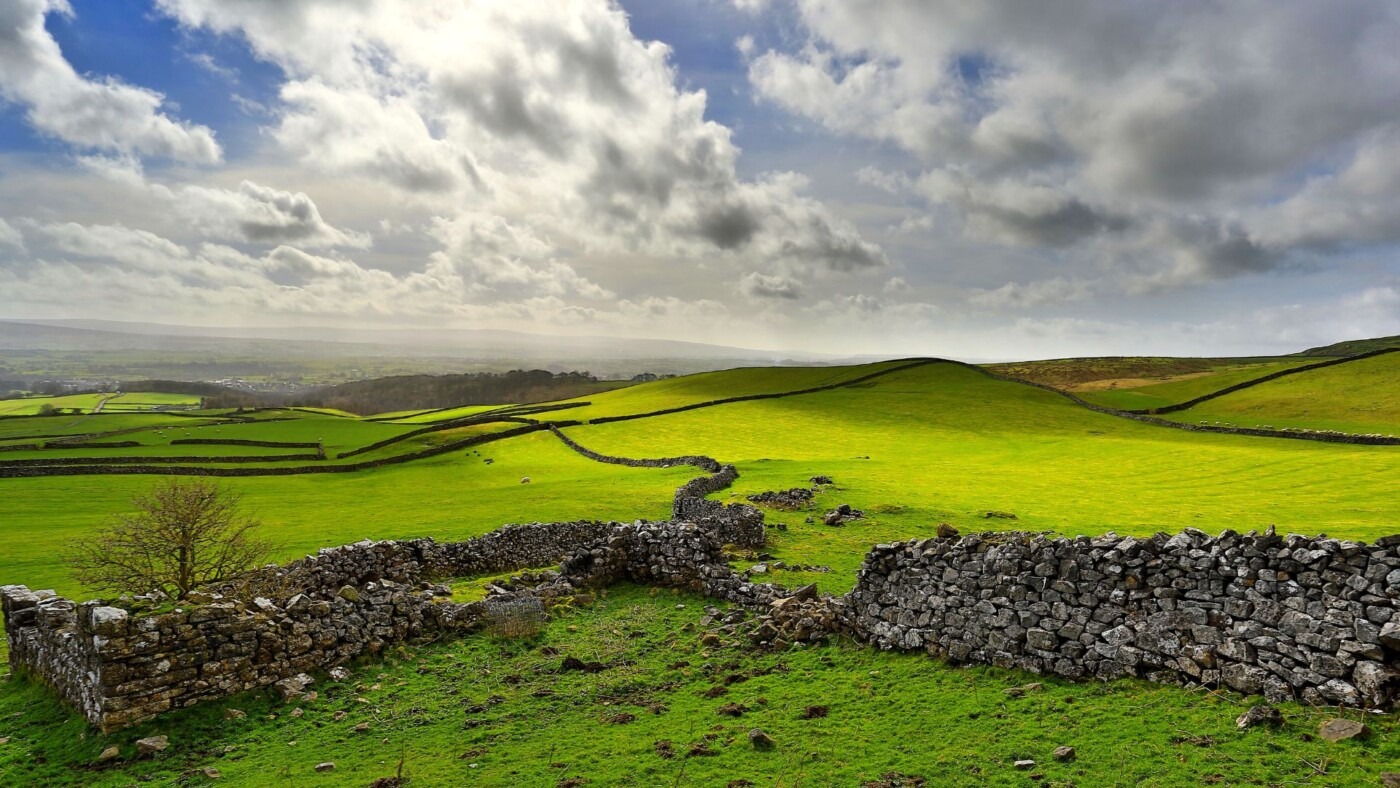
This gentle countryside in East Yorkshire and North Yorkshire offers something rare: peace, space, and landscapes that take your breath away. Rolling chalk hills stretch under huge skies, serene dry valleys hide between the ridges, and peaceful villages look like they’ve barely changed in centuries.
The Yorkshire Wolds sits between the dramatic North York Moors to the north and the banks of the mighty Humber estuary to the south. It’s England’s most northerly chalk landscape, shaped by the later ice age into something truly special.
According to a 2024 consultation by Natural England, part of the Yorkshire Wolds is being considered for designation as an Area of Outstanding Natural Beauty, which would give this gentle countryside national recognition and protection it richly deserves.
Whether you’re planning day walks along major national trails, searching for Iron Age sites and ancient monuments, or simply want to explore market towns and peaceful villages, I’ve discovered this is a perfect place to slow down and breathe again.
Let me share everything I’ve learned about the Yorkshire Wolds, from the famous Yorkshire Wolds Way to hidden corners that even local people call their “favourite secret.”
- Understanding the Yorkshire Wolds Landscape
- The Yorkshire Wolds Way: England’s Hidden Walking Trail
- Must-Visit Villages and Market Towns
- Villages in the Yorkshire Wolds
- Estate Villages
- Historic Sites and Ancient Monuments
- Sledmere House and Estate
- Natural Highlights and Wildlife
- Practical Information for Visitors
- Frequently Asked Questions
- Why the Yorkshire Wolds Deserves Your Attention

Understanding the Yorkshire Wolds Landscape
The Yorkshire Wolds covers roughly 220 square miles across the East Riding of Yorkshire and North Yorkshire. This Area of Outstanding Natural Beauty (proposed) features chalk hills, serene dry valleys, and wold tops that roll endlessly toward distant horizons.
Geography and Geology
The chalk landscape here tells an ancient story. During the later ice age, massive ice sheets carved out the valleys and shaped the hills we see today. The highest point in the Yorkshire Wolds is Bishop Wilton Wold, also known as Garrowby Hill, standing at 807 feet (246 metres) above sea level.
British artist David Hockney painted the view from this summit in 1998, capturing the gentle undulations and vast skies that make this landscape so captivating. The Great Wold Valley sweeps through the heart of the region, while smaller dry valleys branch off like fingers reaching into the chalk.
Small streams appear seasonally when surface water rises high enough. The most fascinating is the Gypsey Race, the northernmost chalk stream in Europe, which can vanish completely during dry spells, then surge back to life after heavy rain.
What Makes It Special
Unlike the rugged North York Moors or the dramatic peaks of the Yorkshire Dales, the Yorkshire Wolds offers something gentler. Wide open views stretch for miles on a clear day. You might spot York Minster in the distance, or on exceptionally clear days, catch glimpses of the coast path national trail where it meets Filey Brigg.
Red kites circle overhead now, having been successfully reintroduced to the area. Skylarks fill the air with song across the valley floors, while wildflowers carpet the chalk gravel in spring and summer.
The vibrant poppy fields near Sledmere House in early July create scenes so stunning they stop you in your tracks. I’ve taken more favourite photos of the trail here than anywhere else I’ve walked in northern England.
The Yorkshire Wolds Way: England’s Hidden Walking Trail
The Yorkshire Wolds Way is one of England’s major national trails, yet it remains delightfully quiet compared to more famous routes. This 79-mile National Trail earned a Tripadvisor Travellers’ Choice award with a rating of 4.9 out of 5.
Trail Overview
Starting from Hessle near the iconic Humber Bridge, the trail winds north through the heart of the Wolds before finishing at Filey Brigg on the Yorkshire coast. The end of the trail meets the Cleveland Way, creating opportunities for even longer adventures.
According to the National Trail website, the fastest recorded time to complete the entire Yorkshire Wolds Way is 11 hours, 34 minutes and 31 seconds, achieved by Steve Bateson in November 2023 during the Hardwolds Ultrarun. Most of us take 5-7 days to complete the full route, savouring each section.
The trail follows airy tops of the rolling hills, drops into deep dry valleys, crosses flat areas near the western edge of the Wolds, and traces parts of an ancient Roman road. Public transport options are limited along much of this major national trail, so most walkers tackle it as linear walks or use an interactive map to plan their own trip.
Walking Sections and Highlights
Each section of the Wolds Way walk offers something different:
Hessle to South Cave – This opening stretch leaves the banks of the mighty Humber estuary behind, climbing gradually onto the wold tops with expanding views back toward the Humber Bridge.
Market Weighton to Fridaythorpe – Here the trail cuts through some of the highest and most dramatic scenery, with steep slopes leading to panoramic views across the vale of Pickering and beyond.
Thixendale to Wharram Percy – This section passes the abandoned medieval village of Wharram Percy, one of Britain’s best-preserved deserted settlements. The trail’s highlights include wooded slopes, chalk streams, and stunning valley views.
Wharram le Street to Filey – The final stretch leads through gentle countryside before the dramatic end of the Cleveland Way junction at Filey Brigg, where chalk cliffs meet the North Sea.
Planning Your Yorkshire Wolds Way Walk
May and September are the most popular months for tackling the trail, offering fabulous walking weather without summer crowds. Visit maps of the open sections of the trail are available from Natural England, showing facilities and connecting circular routes.
Most walkers complete the trail in a clockwise direction from south to north, though either direction works well. The best way to approach it depends on your fitness level and available time.
Strong boots are essential – chalk gravel can be slippery when wet, and some sections cross steep slopes. Carry plenty of water as surface water sources are unreliable in this dry landscape.

Must-Visit Villages and Market Towns
The Yorkshire Wolds is dotted with charming settlements, each offering their own character and reasons to visit. These peaceful villages and market towns make perfect bases for exploring or destinations in themselves.
Driffield: Capital of the Wolds
Great Driffield, as locals properly call it, has earned its nickname as the “Capital of the Wolds.” About 13,000 people call this market town home, making it the largest settlement in the area.
The Saxons established Driffield, and “Derefeld” appears in the Domesday Book from 1086. The town gained its market charter in 1251 and quickly became a bustling center for agriculture and trade.
Today’s visitors can explore All Saints Church, standing since the 12th century, or admire Georgian houses along Market Place and Middle Street. The Driffield Show, held yearly at Driffield Showground, ranks as one of the UK’s biggest one-day agricultural events.
For refreshment, Frankies Cafe on River Head offers lovely canal views and hearty breakfasts that locals rave about. The town’s train station provides good connections, making Driffield a practical base for exploring without a car.
Market Weighton
Sitting about 20 miles from both Hull and York, Market Weighton makes an ideal central base. The town’s history stretches back to Roman times, and it received its official market charter in 1251 from King John.
The town’s most famous resident was William Bradley, who at 7 feet 9 inches became the tallest Englishman on record. A statue commemorates him in the town center.
Market Weighton sits right on the Hudson Way, a traffic-free trail perfect for walking and cycling. The Yorkshire Wolds Way passes nearby too. The Wolds Way Cafe on Driffield Road serves excellent breakfasts and homemade cakes, earning solid reviews from visitors.
All Saints Church and trips to nearby Londesborough Park Estate offer historical interest, while the farmers’ market showcases the best local produce.
Village of Millington
Just 3 miles north-east of Pocklington, the village of Millington ranks among the most beautiful spots in the Yorkshire Wolds. David Hockney found inspiration here, and it’s easy to see why.
Walking paths wind through peaceful woodland and across rolling hills, offering some of the best views in East Yorkshire. On a clear day, you can see across the Great Wold Valley all the way to York Minster.
Stop at the Ramblers Rest tearoom for homemade treats or relax at The Gait Inn after exploring the trails. Many visitors base themselves here for self-guided walks to see wildflowers and soak up the tranquil atmosphere.
South Cave
Located about 14 miles west of Hull and just north-west of North Cave, South Cave offers around 5,000 residents and excellent transport links. The A63 and M62 sit nearby for drivers, while regular buses connect to larger towns.
The Grade II* listed Church of All Saints and impressive South Cave Castle stand out as architectural highlights. Archaeological finds take the village’s story back to the Bronze Age.
Nearby North Cave Wetlands nature reserve attracts birdwatchers and anyone seeking quiet nature experiences. The village provides a perfect base for exploring both the western edge of the Wolds and the Humber estuary.
Major Market Towns
- Driffield (Great Driffield) – “Capital of the Wolds”
- Market Weighton
- Pocklington
- Beverley (on the western edge)
Villages in the Yorkshire Wolds
A-C
- Aike
- Atwick
- Bainton
- Barmston
- Beeford
- Beswick
- Bewholme
- Brandesburton
- Brigham
- Burton Agnes
- Burton Fleming
- Butterwick
- Cottam
- Cowlam
- Cranswick
D-F
- Dalton Holme
- Dringhoe
- Duggleby
- Dunnington
- Eastburn
- Elmswell
- Emmotland
- Fimber
- Fordon
- Foston-on-the-Wolds
- Foxholes
- Fridaythorpe
G-H
- Garton-on-the-Wolds
- Gembling
- Gransmoor
- Haisthorpe
- Harpham
- Helperthorpe
- Hempholme
- Huggate
- Hutton Cranswick
K-L
- Kelk
- Kelleythorpe
- Kilham (the original ‘capital’ of the Wolds)
- Kilnwick
- Kiplingcotes
- Kirby Grindalythe
- Kirkburn
- Langtoft
- Lissett
- Little Driffield
- Lockington
- Lowthorpe
- Lund
M-N
- Middleton-on-the-Wolds
- Millington
- Nafferton
- Neswick
- Newbald
- North Dalton
- South Dalton
- Nunburnholme
R-T
- Rudston
- South Cave
- Thixendale
- Thwing
W
- Warter
- Wetwang
- Wharram le Street
- Wold Newton

Estate Villages
- Sledmere (estate village built for Sledmere House)
This list covers the main settlements, although there are many more.
Historic Sites and Ancient Monuments
The Yorkshire Wolds has a remarkable concentration of archaeological treasures, spanning from the Neolithic period through medieval times. These sites offer windows into how local people lived centuries and millennia ago.
Wharram Percy: Britain’s Most Famous Deserted Village
Wharram Percy stands as one of Britain’s largest and best-preserved abandoned medieval villages. Hidden in a dry valley, this settlement was occupied for nearly six centuries before everyone left after 1500.
Stone outlines of old houses still mark the landscape, sitting on a flat plateau above the ruined village church and millpond. Archaeologists have studied Wharram Percy for more than sixty years, making it one of the most thoroughly researched abandoned medieval villages in the world.
The site offers free entry year-round, though parking costs £2 for non-English Heritage members. The walk from the car park takes about a mile and includes some steep sections that can get muddy.
Dogs are welcome on leads, but watch for livestock or hunting parties nearby. Plan to spend at least an hour here – there’s something haunting and beautiful about walking among these ancient foundations.
Iron Age Sites and Long Barrows
Iron Age square barrow cemeteries began appearing around 400 BC across the Yorkshire Wolds, marking a significant change from earlier cremation practices. At Wetwang Slack and Garton Station, excavations revealed graves containing not just bodies but also chariots and valuable grave goods.
These chariot burials show the high status certain individuals held in Iron Age society. The craftsmanship and ceremonial care taken with these burials offer fascinating glimpses into beliefs and customs from over 2,000 years ago.
More than 1,400 Bronze Age round barrows dot the Yorkshire Wolds, making it one of England’s richest landscapes for prehistoric monuments. Long barrows, the elongated burial mounds from the Neolithic period, appear at several sites.
Duggleby Howe, a massive Neolithic barrow near the ceremonial source of the Gypsey Race, ranks among the most impressive. These ancient monuments remind us that people have valued this landscape for more than 5,000 years.
Roman Roads and More Permanent Settlements
The Romans recognized the strategic value of the Yorkshire Wolds, building roads to connect their forts and more permanent settlements. Parts of these Roman roads still form the basis of modern routes, including sections followed by the Yorkshire Wolds Way.
Archaeological evidence shows villa sites and farming settlements, indicating the Wolds supported a thriving Romano-British population. Later, Anglo-Saxon settlers established villages that evolved into today’s communities.
Rudston Monolith
Standing in Rudston churchyard, this massive stone is Britain’s tallest standing stone at 25 feet high. Dating to around 2500 BC, nobody knows for certain how it was transported here or what ceremonies took place around it.
The monolith sits in a churchyard because early Christians often built churches at pagan sacred sites. The mysterious Gypsey Race flows through the village, adding to Rudston’s mystical atmosphere.
Sledmere House and Estate
Sledmere House ranks as East Yorkshire’s finest country house, combining beautiful architecture, rich history, impressive art collections, and stunning gardens. The Sykes family built both the house and the surrounding estate village.
Visiting Sledmere House
The house closes for winter but reopens each spring with guided tours available from late March to early October on selected dates. The tours reveal the family’s history and showcase rooms filled with period furniture and artwork.
Even when the house is closed, plenty remains to see and do on the estate.
Gardens and Grounds
The walled garden at Sledmere creates a peaceful haven of colour and fragrance. Expertly maintained borders, rose gardens, and seasonal displays make it a photographer’s dream.
Walking the grounds reveals landscape features designed to complement the house, including carefully planned vistas and tree groupings. The estate’s approach to blending formal gardens with the surrounding Wolds landscape works beautifully.
Family Attractions
The Rare Breed Farm Park entertains children while teaching them about traditional livestock breeds. The Adventure Play Area keeps younger visitors active and happy.
The Wagoners Museum tells stories of local agricultural workers who served in World War I, offering moving insights into Yorkshire’s contribution to the war effort.
Practical Information
The Coach House Cafe serves fresh food and doesn’t require an admission ticket. Car parking is free for cafe visitors. Sledmere hosts various events throughout the year, including music performances, craft fairs, and seasonal celebrations.
Wedding ceremonies and receptions take place at Sledmere House, with the venue offering everything from intimate ceremonies to large celebrations.
Natural Highlights and Wildlife
Beyond the gentle countryside and ancient monuments, the Yorkshire Wolds offers remarkable natural features and opportunities to spot wildlife.
Bempton Cliffs RSPB Nature Reserve
The dramatic cliffs at Bempton rise nearly 100 metres above the crashing North Sea, creating England’s most important seabird colony. From March to August, around half a million seabirds nest here, including England’s largest concentration of gannets.
According to a 2024 census by the RSPB, Bempton Cliffs is now home to 15,794 breeding pairs of gannets, England’s largest seabird. This represents a recovery after avian flu impacted the colony in 2022.
Gannets aren’t the only stars – you’ll also see guillemots, razorbills, kittiwakes, and from April to July, adorable puffins. Corn buntings, kestrels, and barn owls patrol the clifftops, while skylarks fill the air with song.
Well-maintained paths make the reserve accessible, even with wheelchairs or pushchairs. Facilities include parking and toilets near the main viewpoints. Dogs are welcome on short leads.
Guided walks run during peak season, and the RSPB organises wildlife events and sea cruises throughout the year. This is genuinely a great place to witness British seabirds up close.
Chalk Streams and the Gypsey Race
The Gypsey Race is the northernmost chalk stream in Europe and one of the most interesting features of the Yorkshire Wolds. Unlike normal rivers, it can vanish completely when the underground chalk aquifer levels drop, then surge back to life after heavy rainfall.
Duggleby Howe marks the ceremonial start of the Gypsey Race. The stream flows through several villages, including Rudston, before disappearing beneath Bridlington to reach the North Sea unseen.
This intermittent flow has inspired local legends for centuries. Folklore claimed the Gypsey Race only flowed before significant events – usually disasters. Science tells a different story about aquifer levels, but the stream’s mysterious nature still captivates visitors.
Dry Valleys and Chalk Landscape
The serene dry valleys of the Yorkshire Wolds create some of the region’s most photogenic scenery. These valleys formed when frozen ground during the ice age prevented water absorption, allowing powerful meltwaters to carve deep channels into the chalk.
Today these valleys rarely see surface water, creating unique habitats for chalkland wildflowers and rare butterflies. Wild orchids thrive here, along with cowslips, harebells, and dozens of other species that prefer alkaline soil.
Walking through these valleys, especially on a clear day, reveals layer upon layer of rolling hills. The light changes constantly, creating the kind of views that made David Hockney return again and again with his canvases.
Little Wold Vineyard
For something different, Little Wold Vineyard shows how the Yorkshire Wolds’ chalky soil and sunny slopes create perfect conditions for English wine production. Visits to the vineyard combine tastings with views across the gentle countryside.
Practical Information for Visitors
Planning a trip to the Yorkshire Wolds requires some preparation, as the rural nature of the area means facilities can be spread out.
Getting There and Getting Around
By Car: The best way to explore the Yorkshire Wolds is by car, giving you freedom to reach remote villages and trail access points. Main roads include the A614, A166, and B1249.
By Train: Driffield station sits on the Yorkshire Coast Line with direct trains from Bridlington, Scarborough, Sheffield, and Hull. Market Weighton has limited services. The Humber Bridge provides road access from the south.
By Bus: Bus services connect major towns like Driffield, Market Weighton, and Beverley, but public transport to smaller villages and trail access points is very limited. Check schedules carefully if relying on buses.
Best Time to Visit
May and September offer the most popular months for walking, combining fabulous walking weather with fewer crowds. Spring brings wildflowers and migrating birds, while early July showcases the vibrant poppy fields.
Summer attracts more visitors but offers long days and generally dry conditions. Autumn wraps the landscape in golden colours, perfect for trail photos. Winter can be beautiful but prepare for muddy conditions and shorter days.
Accommodation Options
The Yorkshire Wolds offers various places to stay, from holiday cottages to B&Bs and country hotels. Booking ahead is wise, especially during the most popular months.
Options range from converted barns with all amenities to traditional village pubs with rooms. Many accommodations cater specifically to walkers, offering packed lunches, drying facilities, and luggage transfers.
Essential Planning Tips
- Download visit maps of the open sections of the trail before your trip, as mobile signal can be patchy
- Carry plenty of water – surface water sources are unreliable in this dry landscape
- Wear proper walking boots with ankle support for steep slopes and chalk gravel paths
- Check weather forecasts and prepare for changeable conditions
- Book restaurants and cafes ahead in smaller villages, as options can be limited
Facilities and Accessibility
Larger market towns like Driffield and Market Weighton offer full facilities, including shops, cafes, medical services, and cash machines. Smaller villages often have a pub and possibly a shop, but don’t count on it.
Accessibility varies across the Wolds. While sites like Bempton Cliffs and Sledmere House offer good wheelchair access, many trail sections include steep slopes and uneven surfaces. The valley floors tend to be easier terrain than the Wold tops.
Always check specific venue websites for detailed accessibility information if you have mobility requirements.
Frequently Asked Questions
Can beginners complete the Yorkshire Wolds Way?
Yes, the Yorkshire Wolds Way suits fit beginners, though some sections include challenging steep slopes. Most people complete it over 5-7 days, allowing time to enjoy the scenery without rushing. You can also tackle shorter circular routes if a full day walk feels too ambitious.
What wildlife will I see?
Red kites are now common overhead, having been successfully reintroduced. Skylarks, curlews, and lapwings nest on the wold tops. Small streams attract kingfishers. Bempton Cliffs offers the most dramatic wildlife spectacle with half a million nesting seabirds including puffins from April to July.
Are dogs allowed?
Most trails welcome dogs, though keeping them on leads is required near livestock and at nature reserves. Many accommodations accept pets, though often with a small supplement. Bempton Cliffs allows dogs on short leads on footpaths.
What should I pack for a day walk?
Essential items include: sturdy waterproof walking boots, waterproof jacket, plenty of water, snacks, sun protection, an interactive map or GPS device, mobile phone with downloaded maps, first aid kit, and a fully charged phone. Layers work better than a single heavy jacket.
Where can I find more information?
The Yorkshire Museum in York provides excellent context on the region’s history. Natural England manages information about the Yorkshire Wolds Way and circular routes. Visit East Yorkshire’s website offers comprehensive accommodation and attraction listings. Local tourist information centers in Driffield and other market towns provide visit maps of the open sections of the trail.
Why the Yorkshire Wolds Deserves Your Attention
The Yorkshire Wolds might not shout as loudly as the Yorkshire Dales or North York Moors, but that’s exactly why I love it. This gentle countryside offers space, peace, and views that go on forever without the crowds you’ll find elsewhere.
Whether you’re planning to tackle the full Yorkshire Wolds Way, explore abandoned medieval villages, watch seabirds at Bempton Cliffs, or simply wander through peaceful villages and market towns, you’ll find something special here.
The rolling chalk hills, ancient monuments, charming settlements, and genuine welcome from local people create a perfect place to slow down and reconnect with what matters.
The Yorkshire Wolds is calling. Time to answer.
Ready to explore specific aspects of the Yorkshire Wolds? Check out our detailed guides: