When Does Winter Start?
I’ve made no secret of the fact I hate autumn. I wrote a whole post about it in 2016 and my feelings haven’t changed. But somewhere around late October, once the novelty of a pumpkin has worn off and it’s just cold and dark and raining, I find myself actually looking forward to what comes next.
Because winter, for all its bleakness, has Christmas. And Christmas is reason enough.
Anyway. When does winter actually start? The answer depends on which definition you’re using.
Meteorological winter starts on 1 December every year and runs to the end of February.
Astronomical winter starts at the winter solstice, which falls around 21 or 22 December. In 2026, the winter solstice is on 21 December.
Both are correct. Most of us go by the meteorological definition without realising it — the shops certainly do.
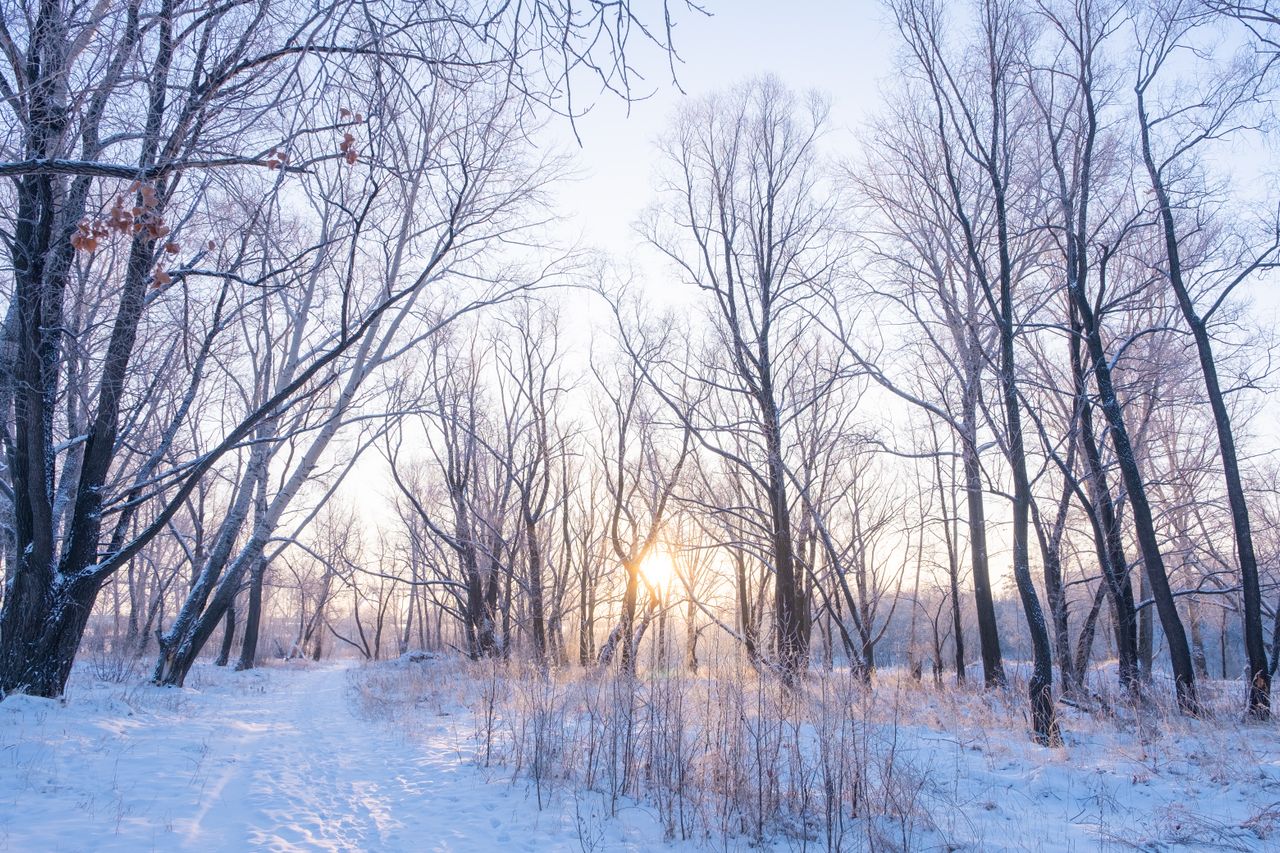
Meteorological Winter
Meteorological winter runs from 1 December to the last day of February (28 February, or 29 February in a leap year). It’s based on the annual temperature cycle rather than the Earth’s position, and it divides the year into neat three-month blocks to make comparing seasonal weather data easier.
Spring: March, April, May. Summer: June, July, August. Autumn: September, October, November. Winter: December, January, February.
It’s the definition used by the Met Office, most weather services, and anyone who wants to say ‘winter has officially started’ in a press release on 1 December. Which they do, every year, regardless of what it’s actually doing outside. (Usually: drizzle.)
Astronomical Winter
Astronomical winter is tied to the Earth’s orbit around the sun. It starts at the winter solstice — the moment when the North Pole is at its maximum tilt away from the sun, giving us our shortest day and longest night of the year.
In the UK, the winter solstice usually falls on 21 or 22 December. After that, the days start getting longer again. Not that you’d notice in January, but the trajectory is at least going in the right direction.
Astronomical winter ends at the spring equinox, usually around 20 March, when day and night are roughly equal length again.
When Does Winter Start and End? UK Dates
| . | Starts | Ends |
|---|---|---|
| Meteorological winter 2026/27 | 1 December 2026 | 28 February 2027 |
| Astronomical winter 2026/27 | 21 December 2026 | 20 March 2027 |
| Meteorological winter 2027/28 | 1 December 2027 | 29 February 2028 |
| Astronomical winter 2027/28 | 22 December 2027 | 20 March 2028 |
The exact time of the winter solstice shifts by a few hours each year. For the precise time in your time zone, timeanddate.com has it covered.
In the Southern Hemisphere, seasons are reversed: meteorological winter runs 1 June to 31 August, and the winter solstice falls in June.
So When Does It Actually Feel Like Winter?
Honestly? The clocks going back at the end of October is where it starts for me. The nights are dark by five, everyone’s talking about soup, and you put on your first proper jumper of the season and feel strangely relieved about it.
Technically it’s December. Emotionally it’s late October. The gap between the two is useful for one thing at least: justifying putting the Christmas decorations up early. Which I do. Absolutely no regrets.
FAQs
When does winter officially start in the UK? Meteorological winter starts on 1 December every year. Astronomical winter starts at the winter solstice, which falls on 21 or 22 December depending on the year. In 2026, the winter solstice is 21 December. Both definitions are correct — the meteorological one is what you’ll see on weather forecasts and news coverage.
What is the shortest day of the year in the UK? The winter solstice, around 21 or 22 December. This is the day with the fewest daylight hours. After the solstice, days gradually get longer, even if January still feels relentlessly miserable. The light does come back.
When does winter end in the UK? Meteorological winter ends on 28 February (or 29 February in a leap year). Astronomical winter ends at the spring equinox, usually around 20 March.
Is 1 December the first day of winter? Yes, according to the meteorological calendar — which is the one used by the Met Office and most weather services. If you’re going by the astronomical calendar, winter doesn’t begin until the winter solstice on 21 or 22 December.
When is the winter solstice in 2026? 21 December 2026. The exact time varies — check timeanddate.com for your time zone.
When does it start getting lighter after winter? Technically the very next day after the winter solstice. In practice you won’t notice a difference until late January at the earliest, and February is where most people feel the shift properly. But knowing the days are lengthening from 21 December onwards is, genuinely, something I find useful to hold on to.
What’s your take on winter — do you actually like it, or are you just in it for Christmas? Drop a comment below!