Somewhere along the way self-care routines have become synonymous with elaborate skincare rituals, expensive products, and hour-long morning routines that nobody with a real life can actually sustain. The truth is that the most effective self-care is usually the simplest, and the routines that stick are the ones that take up less space in your day, not more.
If you have been trying to figure out how to look after yourself better without adding another ten things to your to-do list, here are some useful places to start.
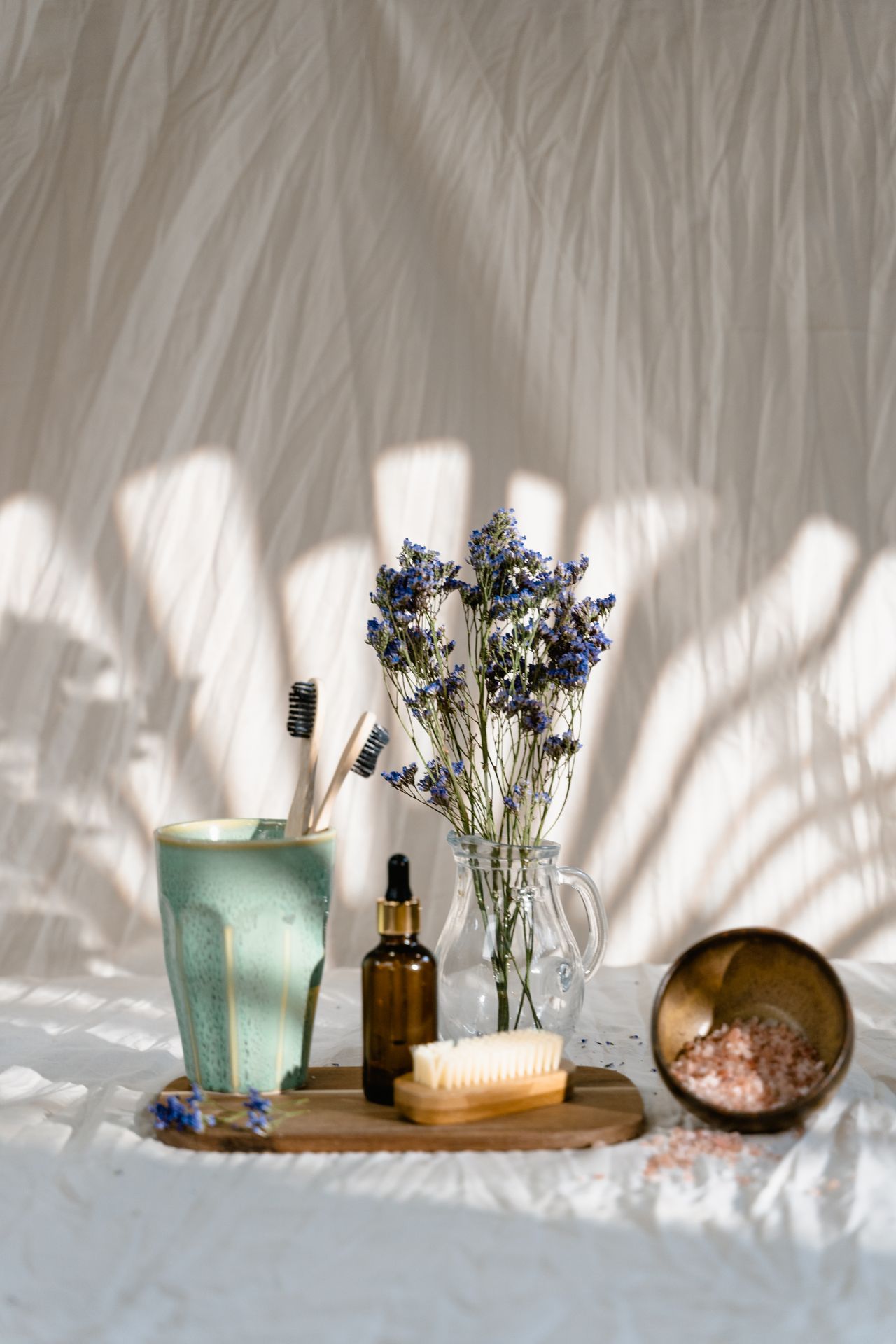
Strip it back to the basics
Before you add anything new, it is worth asking what actually makes a difference to how you feel day to day. For most people, the non-negotiables are sleep, movement, hydration, and some kind of mental breathing room. Everything else is optional.
A simplified self-care routine does not mean doing less for yourself. It means being deliberate about what you include, so that the things you do actually happen rather than existing on a list you feel guilty about ignoring. If you are starting from scratch, building sustainable routines through habit stacking, attaching new behaviours to things you already do, tends to work better than trying to overhaul everything at once.
Make your physical health easier to manage
One of the biggest barriers to looking after yourself physically is the friction involved. Booking a GP appointment, chasing a prescription, and waiting weeks for a consultation, it all adds up, and when life is busy, it is exactly the kind of thing that gets put off indefinitely.
Online health services have made this considerably more straightforward for a lot of people. Platforms like LIVI and Babylon offer GP video appointments, while DoktorABC connects patients with UK-registered prescribers for a range of common conditions, with prescriptions dispensed and delivered by regulated pharmacies. What sets DoktorABC apart is its focus on discreet, fast access. The whole process from consultation to delivery can be completed without leaving the house, which makes it genuinely easier to stay on top of things that might otherwise get delayed. For anything more complex or ongoing, your NHS GP remains the right port of call, but for common conditions where convenience matters, these services fill a real gap.
Audit your skincare and simplify
A complicated skincare routine is one of the most common ways self-care turns into a chore. If you are using more than five or six products and cannot explain what most of them are actually doing, it might be time to simplify.
The NHS recommends a cleanser suited to your skin type, a moisturiser with SPF for daytime, and consistent sun protection as the genuinely evidence-backed basics. Everything else can be built from there if you want to, but it is not required. Fewer products means fewer decisions, less time, less money, and often better results because you are actually using things consistently rather than rotating between a dozen half-finished bottles.
Build in genuine rest
Rest is not the same as scrolling your phone on the sofa. Actual rest, the kind that helps your nervous system recover, tends to involve something that occupies your attention without demanding much of it. Reading, a gentle walk, a bath, and time in the garden all count. One approach that works well is building a winter dopamine menu, a collection of small, intentional pleasures spread across the week, rather than saving everything for some future day when you will finally have time.
The Mental Health Foundation makes the point that self-care does not have to involve big gestures. Small, consistent habits are what actually shift how you feel over time.
Lower the barrier to movement
Exercise does not need to be a production. A twenty-minute walk, stretching in the morning, a cycle to the shops are all effective forms of movement. The most important factor to building a routine is that it is actually sustainable and you will stick to long-term.
If the thought of going to a gym fills you with dread, do not go to a gym. Find something that fits into your actual life and do it often enough that it becomes unremarkable.
Be honest about what is not working
Self-care routines often fail not because people lack willpower but because they are built around an idealised version of life rather than the real one. A routine that works for you on your worst day is more useful than one that only works when everything is already going well.
Start small, be consistent, and drop anything that feels like a performance. The point is to feel better, not to have a photogenic morning routine.