A dedicated gym routine and a clean diet can reshape a person’s health in dramatic ways, yet plenty of people hit a point where the mirror stops showing progress. Stubborn pockets of fat cling to the same spots no matter how many miles get logged on the treadmill, and loose skin, dimpling, or faded stretch marks stick around long after the scale settles. That gap between effort and appearance is exactly where body contouring treatments come in, with targeted options for concerns diet and exercise were never built to solve.
From cryolipolysis and radiofrequency to laser lipo and focused ultrasound, dermatology now offers several ways to refine one area without a scalpel. Plenty of people already swap in richer moisturizers each autumn without a second thought, but body contouring works on a different tissue layer entirely.
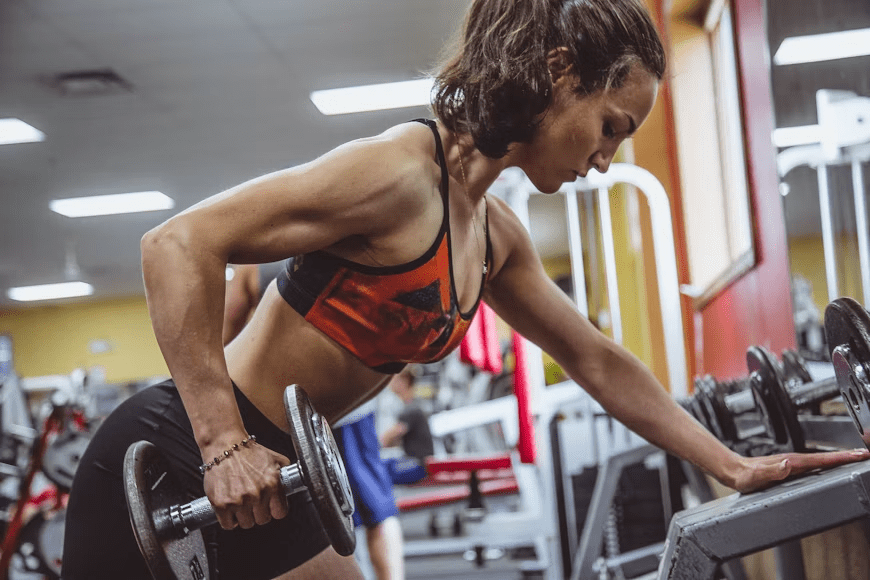
When Exercise and Diet Are Not Enough
Cardio burns calories, and strength training builds muscle, but neither can reach into a single stubborn fat pocket and dissolve it on command. Weight loss happens systemically, pulled from wherever the body decides to release it first, and genetics, hormones, and age largely make that call. Someone can drop fifteen pounds and still carry the same stubborn pouch of lower belly fat from their twenties.
Diet and training are limited against damaged skin. Collagen thinned by age, stretch marks left behind by pregnancy, and the fibrous bands that create cellulite dimpling are structural issues in the dermis and connective tissue rather than purely metabolic ones, so they do not respond well to diet or exercise alone, though some procedures can help their appearance.
Minimally Invasive Body Contouring Options
Non-surgical fat reduction relies on one of four energy types: controlled cooling, radiofrequency, laser light, or focused ultrasound. Each destroys fat cells by damaging their membranes through extreme cold or targeted heat, and the body clears the resulting debris through its own lymphatic system over several weeks.
Who performs the procedure counts as much as the device selected. A board-certified provider offering laser liposuction, for instance, typically uses tumescent anesthesia with a thin cannula so fat can be heated and removed, often with less downtime than older surgical techniques, appealing to people who want visible change without weeks of recovery.
Where Fat Reduction Treatments Fall Short
Injectable fat reduction, most commonly deoxycholic acid, breaks down fat cell membranes on direct contact. In the United States, this option carries approval specifically for submental fat beneath the chin. Injecting it into larger areas such as the abdomen or thighs falls outside that approval and raises the risk of nerve injury and uneven contouring.
Across every non-surgical category, official device guidance draws a hard line: these are not weight-loss tools. They reduce fat volume in one treated zone, typically by fifteen to twenty-five percent per course, with results building over two to six months. Someone hoping to drop several dress sizes will be disappointed. Someone hoping to smooth a stubborn thigh pocket usually is not.
Skin Tightening, Cellulite, and Stretch Marks
Fat and skin are separate problems, and treating one rarely fixes the other. Skin tightening devices heat the deep dermis, denaturing existing collagen and prompting new fibers to form over three to six months; they work reasonably well for mild laxity but are less effective for loose folds left behind by major weight loss or pregnancy, which may need surgical excision instead.
Cellulite comes from fibrous bands tethering skin to the muscle below, which creams or massages cannot reach deep enough to release. Subcision, where a dermatologist inserts a small blade to cut those bands, has shown dimple reduction lasting two to three years, a finding echoed in dermatology research on which cellulite treatments actually hold up over time. Stretch marks respond best to fractional lasers or microneedling while still pink, rather than after fading into white, indented scars.
Surgery, Postpartum Bodies, and Bigger Structural Changes
Some concerns sit outside what any non-surgical device can fix. Redundant skin folds after massive weight loss need panniculectomy or a body lift, not another session with a cooling applicator. Diastasis recti, the muscle separation common after pregnancy, is a structural issue that usually needs physical therapy or surgical repair.
Postpartum bodies often combine loose skin, muscle separation, and localized fat, layered with the exhaustion of caring for a newborn. Plenty of new mothers need reassurance as much as medical guidance, the same instinct that makes people second-guess even the right words to write in a new baby card for a friend. A physician evaluation before body contouring may be part of preoperative preparation, especially after major surgery or weight loss, but it is not universally standard before any cosmetic procedure at this stage of recovery.
Choosing a Qualified Provider
Not every med spa offering these treatments has a physician on-site, and that gap is where outcomes tend to go wrong. A board-certified dermatologist or plastic surgeon should perform the procedure directly or actively supervise whoever does. Worth confirming beforehand: experience with the specific technology, case volume, and the protocol for complications.
Dermatology societies publish guidance on vetting a provider before booking, along with questions worth asking at a consultation. Skipping that step to save money on a bargain package is usually where things go wrong.
Finding the Right Fit
Diet and exercise remain the foundation for overall health, cardiovascular fitness, and muscle strength, and nothing about body contouring treatments changes that. These procedures simply address the stubborn leftovers that training alone was never built to solve, whether that is fat, loose skin, dimpling, or old scarring.
Maintaining results afterward still depends on ordinary habits: consistent training, reasonable eating, and enough sleep, and plenty of people lean on meal-delivery services to stay on track without constant meal planning
Body contouring sits alongside everything else that goes into feeling comfortable in your own skin, not in place of it. For more on skincare routines, nutrition, and the small changes that add up over time, have a look through the rest of the blog.