Running out of space for your garden? Vertical gardening is a great idea to grow more in less space, even in small areas. With the right vertical gardening ideas and structures, you can create thriving vertical plant walls or herb gardens.

Benefits of DIY Vertical Gardens
DIY vertical gardens are a clever way to make the most of small spaces. They also bring life and charm to any area you set them up in!
Maximising limited space
Use vertical gardening structures like pallet planters, trellises, or wall-mounted planters. These save ground space and are a great way to grow more plants in small garden spaces.
Old ladders or chicken wire can work well too. Vertical growing systems make use of unused walls or fences, creating a thriving vertical garden in tight spots.
Choose smaller plants, herbs, or leafy greens for your limited area. Climbing vegetables like pole beans require little floor space but provide vigorous growth upward. A vertical herb garden with mason jars on shelves is also a good choice for urban spaces with less room.
Visual appeal
A living wall system filled with vibrant flowers or green leafy plants adds visual interest anywhere. Use vertical planters made from tin cans, plastic bottles, or wooden window boxes for a creative touch.
Bright flowering vines like black-eyed Susan or perennial climbing roses create pops of colour.
Mix ornamental plants with edible flowers and herbs for variety. This combination makes the space both functional and beautiful. Smaller vines or simple trellises can frame an exterior wall gracefully.
Choose plants that bloom in your growing season to ensure year-round charm in your vertical outdoor space.
Improving air quality
A living wall system can freshen the air around you. Plants absorb carbon dioxide and release oxygen, which makes breathing easier. They also filter harmful toxins indoors and outdoors.
Edible plants like mint or basil are a good option for this.
Small space gardens with annual vines or flowering vines improve airflow in urban settings. Excess water from vertical garden systems keeps dust away, leaving cleaner surroundings.
Using the right growing conditions, these green walls become natural air purifiers.
Types of Vertical Garden Structures
Vertical garden structures come in many styles and use various materials. They can fit different needs, lot sizes, and types of plants.
Wall-mounted planters
Wall-mounted planters are a smart way to save floor space. They attach directly to walls, making them perfect for small gardens or homes with limited room. These vertical garden structures can use various materials like wood, metal, or even PVC pipes.
Display planter boxes work well here and add charm to any outdoor area. Choose the right plants for your wall system. Small plants like herbs or perennial vines thrive in this setup. Ensure adequate support to keep roots steady while promoting growth. Built-in irrigation systems or drip irrigation systems help with frequent watering needs and prevent root rot.
This setup suits individual needs and fits most lot sizes easily!
Pallet planters
Pallet planters are an easy way to start your own vertical garden. They use little growing space, making them perfect for tight areas. You can find wooden pallets at hardware stores or recycled from old materials.
Simply stack or hang them against a wall and fill each section with high-quality soil and water-soluble fertiliser.
These planters work well for herbs, leafy greens, or even flowers. Add climbing vegetables like beans to take advantage of their vertical structures. “A pallet planter turns plain wood into a living wall system,” says gardening expert Elaine Horne.
Regular pruning keeps the plants healthy while saving much space in small gardens!
Trellises and arches
Trellises and arches create a strong support system for climbing vegetables and flowering vines. They help plants grow vertically, saving a lot of space in small gardens. Use materials like wood or metal to build lightweight yet durable structures.
These vertical gardening systems also add charm to your garden beds. Grow fresh vegetables like cucumbers or peas on trellises. Arches are perfect for the best flowering vines such as jasmine or roses, transforming outdoor spaces into lush living wall systems full of colour.
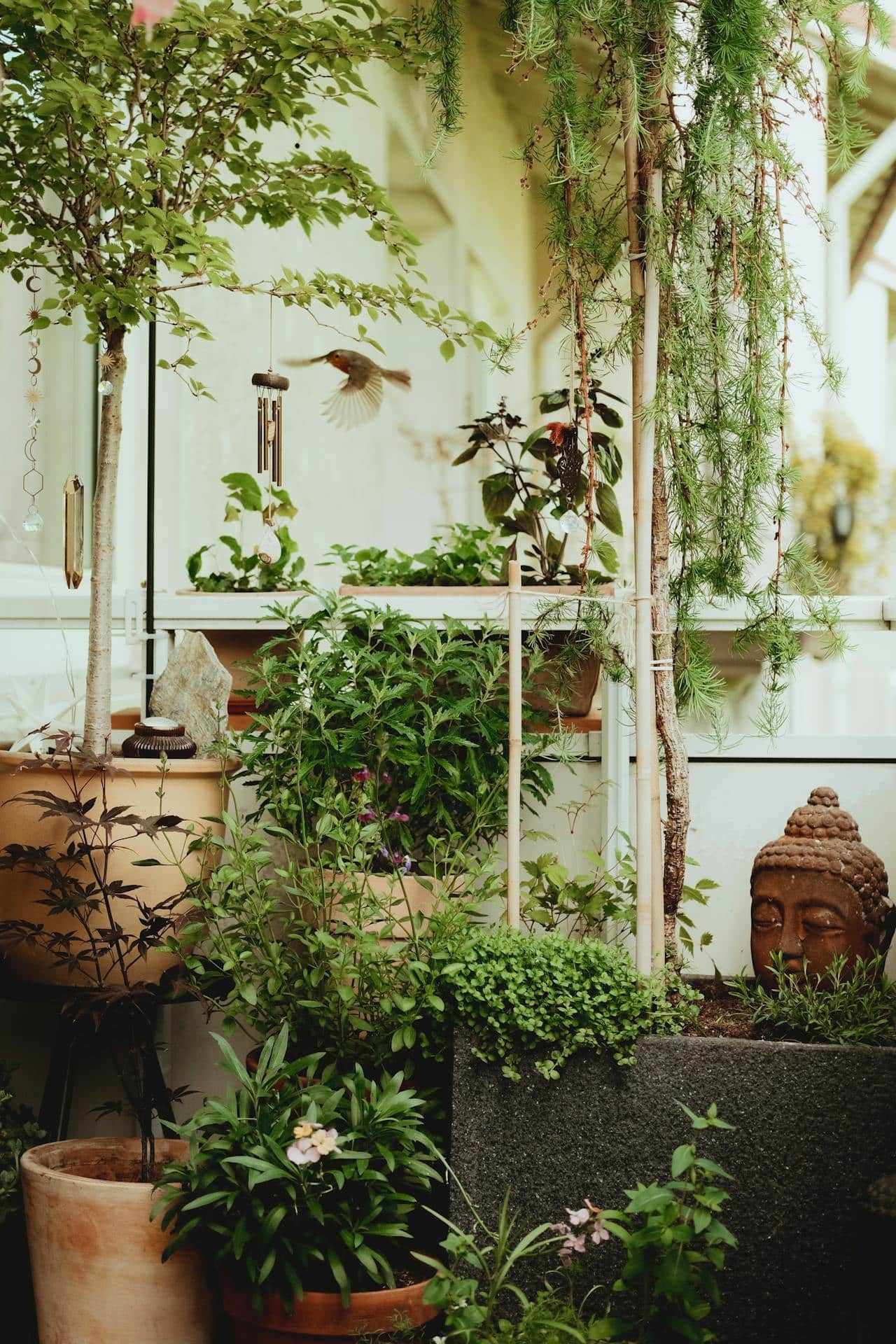
Best Plants for Vertical Gardening
Choose plants that thrive in vertical space and create a lush, vibrant garden—you’ll love the variety!
Herbs and leafy greens
Herbs like basil, mint, and parsley grow well in vertical space. They thrive in wall-mounted planters or hydroponic systems. Leafy greens such as spinach and lettuce fit perfectly into traditional gardening setups or pallet planters.
Both types of plants need a good quality growth medium of soil to stay healthy. These plants don’t take much space but provide high-quality yields. Use water-soluble fertiliser for better results, especially with herbs that grow fast. Place them where they get enough light.
Climbing vegetables
Leafy greens are great for vertical gardens, but climbing vegetables make the most of space. These plants grow upwards, using trellises or cattle panels for support. Peas and green beans are simple choices.
They sprout fast and produce heavily.
Cucumbers and tomatoes also do well in this type of garden. Use strong structures to keep them steady as they get heavy with fruit. “Grow more food with less ground—let your plants climb high!
Flowering vines
Flowering vines can transform your vertical garden into a stunning flower garden. Morning glories, jasmine, and clematis are popular choices for their bright blooms and sweet scents.
These wall plants grow upward on trellises or arches, adding height and colour to any space.
Use high quality soil and water-soluble fertiliser for the best results. Bougainvillaea thrives in sunny spots, while shade-tolerant varieties like climbing hydrangea suit darker corners.
Tips for Maintaining a Vertical Garden
Keep your plants healthy with smart care and simple habits. Small changes can make a big difference in how your garden thrives!
Proper watering techniques
Water lightly but often to keep the soil moist. Vertical gardens dry out quicker than traditional ones due to airflow. Drip irrigation systems can help ensure even watering without over-soaking plants.
Use water-soluble fertiliser while watering for a nutrient boost. This keeps your variety of plants healthy and thriving in small spaces. Avoid letting water pool at the base, as it may cause root rot.
Using appropriate soil and fertilisers
Proper watering is just the start of keeping your vertical garden healthy. Picking the right soil ensures plants grow well in these innovative gardening techniques. Use lightweight yet nutrient-rich soil, as heavy soil can weigh down structures.
Look for mixes with good drainage to avoid water pooling and root rot.
Fertilisers also matter a lot. Choose a water-soluble fertiliser for regular feeding since vertical gardens may dry out faster than ground gardens. Herbs and leafy greens thrive with balanced nutrients, while flowering vines need potassium-rich options for blooms.
Avoid over-fertilising; too much can harm roots or even burn them!
Conclusion
Growing a vertical garden transforms small spaces into green havens. It’s easy, fun, and brings life to walls or balconies. Choose plants you love, use smart watering methods, and enjoy the beauty it adds to your home.
Start now—watch your space bloom!