Looking for hobbies to do alone that you can actually start this week? I’ve spent years trying out different solo hobbies – some brilliant, some a complete waste of money – and put this list together so you don’t have to guess. Whether you’re an introvert who needs some quiet time, or you just fancy doing something that’s entirely your own, solitary hobbies are genuinely good for you.
This list covers 57 solo hobby ideas, from cheap hobbies to do alone that cost almost nothing, to more unusual ones you might not have thought of. Lots of these are hobbies you can do at home or take with you anywhere.
- Why Bother With Solo Hobbies?
- The Perks of Good Solo Hobbies
- What Makes a Good Solo Hobby?
- 1. Reading
- 2. Writing
- 3. Painting and Drawing
- 4. Playing Card Games
- 5. Hiking and Nature Walks
- 6. Learning a New Language
- 7. Playing a Musical Instrument
- 8. Solving Jigsaw Puzzles
- 9. Watching YouTube Videos or Online Courses
- 10. Rock Climbing
- 11. Bird Watching
- 12. Gardening
- 13. Solo Trips
- 14. Photography
- 15. Make-up
- 16. Nail Art
- 17. Yoga
- 18. Weight Lifting
- 19. Blogging
- 20. Video Games
- 21. Creating Videos
- 22. DIY
- 23. Making Candles and Soap
- 24. Cooking and Baking
- 25. Growing Food
- 26. Journaling
- 27. Podcasts
- 28. Volunteering at an Animal Shelter
- 29. Origami
- 30. Calligraphy
- 31. Solo Exercises
- 32. Star-Gazing and Astronomy
- 33. Spa Day
- 34. Practising Hairstyles
- 35. Cake Decorating
- 36. Listening to Music
- 37. Coding
- 38. Visit Museums
- 39. Learning about a Special Interest
- 40. Chess
- 41. Fishing
- 42. Knitting or Crocheting
- 43. Swimming
- 44. Mountain Biking
- 45. Scrapbooking
- 46. Watching Movies
- 47. Flower Pressing
- 48. Alcohol Brewing
- 49. Bouldering
- 50. Tarot Reading
- 51. Upcycling
- 52. Pottery
- 53. Meditation
- 54. Sewing
- 55. Whittling
- 56. Singing
- 57. Rock Polishing
- Quick Reference: Solo Hobbies by Category
- Finding Your Perfect Solo Hobby

Why Bother With Solo Hobbies?
Solo hobbies aren’t just about filling time. They actually do something for your brain and well-being. For introverts specifically, they’re essential – social stuff drains the battery, and hobbies alone let you recharge properly. But honestly, even extroverts benefit from having their own thing going on.
The Perks of Good Solo Hobbies
Here’s why you should actually consider picking up a solo hobby:
Self-Expression – Hobbies give you an outlet for creativity. Whether it’s painting, writing, or playing a musical instrument, you get to express your feelings and ideas in ways that feel natural to you.
Stress Relief – Having something you genuinely enjoy can switch your brain off from daily worries. It’s a proper break from thinking about work or responsibilities.
Skill Development – You’re learning stuff at your own pace. Whether it’s a new language, mastering an instrument, or getting decent at puzzles, you’re building skills that stick with you.
Confidence Boost – Getting better at something, even just slightly, does wonders for your self-esteem. There’s proper satisfaction in seeing yourself improve.
New Experiences – Trying different hobbies opens up perspectives you wouldn’t have otherwise. Your life becomes more interesting when you’re actually doing things rather than just consuming content.
What Makes a Good Solo Hobby?
When I’m picking a new hobby, I think about a few things:
Budget – Can I actually afford this, or will I spend fifty quid on supplies then never touch them again?
Space – Do I need a garage or can I do this at my kitchen table?
Time – Am I looking at fifteen-minute chunks or proper multi-hour sessions?
Energy – Do I want something relaxing or something that requires actual concentration?
There’s no point picking up oil painting if you live in a tiny flat with no storage. Be honest about what’ll actually work for you.
1. Reading
This one’s obvious, but I’m starting with it anyway because reading is genuinely one of the best things you can do alone. Grab a book from your library (free!), charity shop (couple of quid), or download something onto your Kindle.
The thing about reading is it works at any pace. Feeling tired? Read a chapter. Got a whole afternoon? Smash through half a book. Want something light? Romance or thriller. Want to actually learn something? Grab a non-fiction book about whatever you’re into.
I rotate between different genres depending on my mood, and honestly, there’s nothing better than getting properly absorbed in a good book where you lose track of time completely.
Equipment and cost: Books from £1 second-hand to £10-20 new. E-readers like Kindle from £70. Library memberships are free. Audiobook subscriptions like Audible cost around £8/month.
2. Writing
Writing can mean loads of different things. Maybe you want to start a journal and get your thoughts out of your head. Maybe you fancy having a crack at writing short stories or poetry. Maybe you just want to write about whatever’s annoying you that day.
The brilliant thing about writing is you literally just need a notebook and pen (or your phone notes app if you’re feeling modern). It costs nothing, and you can do it absolutely anywhere.
I find journaling particularly helpful when I’m feeling overwhelmed. Getting everything onto paper helps me process what’s actually going on rather than just spinning in circles in my own head.
Equipment and cost: Pen and paper (basically free if you have them already). Nice notebooks from £5-15 if you want something proper. The computer you probably already own.
3. Painting and Drawing
You don’t have to be “good at art” to enjoy drawing or painting. That’s one of those lies we tell ourselves that stops us trying new things.
Grab a pencil and some paper (or even just use the back of old envelopes – I’m not judging) and draw whatever you can see. Your mug, your plant, your hand, the view out your window. It doesn’t matter if it looks rubbish. The point is just to do it.
If you want to try painting, start with watercolours or acrylics. You can get beginner sets for under £20, and YouTube has thousands of free tutorials.
The thing about creating visual art is that it properly switches your brain off from everything else. You’re focused on colours and shapes and technique, and suddenly an hour’s passed without you checking your phone once.
Equipment and cost: Pencils and paper from £5. Basic paint sets from £10-20. Canvases from £5 each. Brushes from £10 for a set.
4. Playing Card Games
Playing card games is dead easy to start – buy a deck for a couple of quid, and you’re sorted. Whether you’re into classic card games or strategic ones like Spades or Hearts, there’s something for everyone.
You can play physical card games alone (yes, solitaire is still a thing) or explore all the online versions if you prefer screen-based options. You can even have a go at some casino card games.
Equipment and cost: A Deck of cards from £2. Free online games on most devices.
5. Hiking and Nature Walks
If you love being outdoors, hiking or nature walks are brilliant for your mental and physical health. Check out local trails and just get out there.
I try to get out for a proper walk in nature at least once a week. It’s completely different from walking around streets – quieter, prettier, more peaceful.
Equipment and cost: Decent walking boots from £40-100. Waterproof jacket around £30-80. Basic backpack from £20. Or just start with trainers you already own and build up from there.
6. Learning a New Language
Right, full disclosure – I’ve started learning languages about five times and always fallen off the wagon. But loads of people stick with it and find it really rewarding.
Apps like Duolingo are free and make it quite fun with their game-like structure. You can do ten minutes a day whilst you’re having your morning coffee.
Pick a language you’re actually interested in, not just one that seems “useful”. You’re much more likely to stick with it if you’re genuinely interested.
Equipment and cost: Free apps like Duolingo. Paid apps from £7/month. Textbooks from £10-20. Online tutors from £15-40/hour if you want proper lessons.
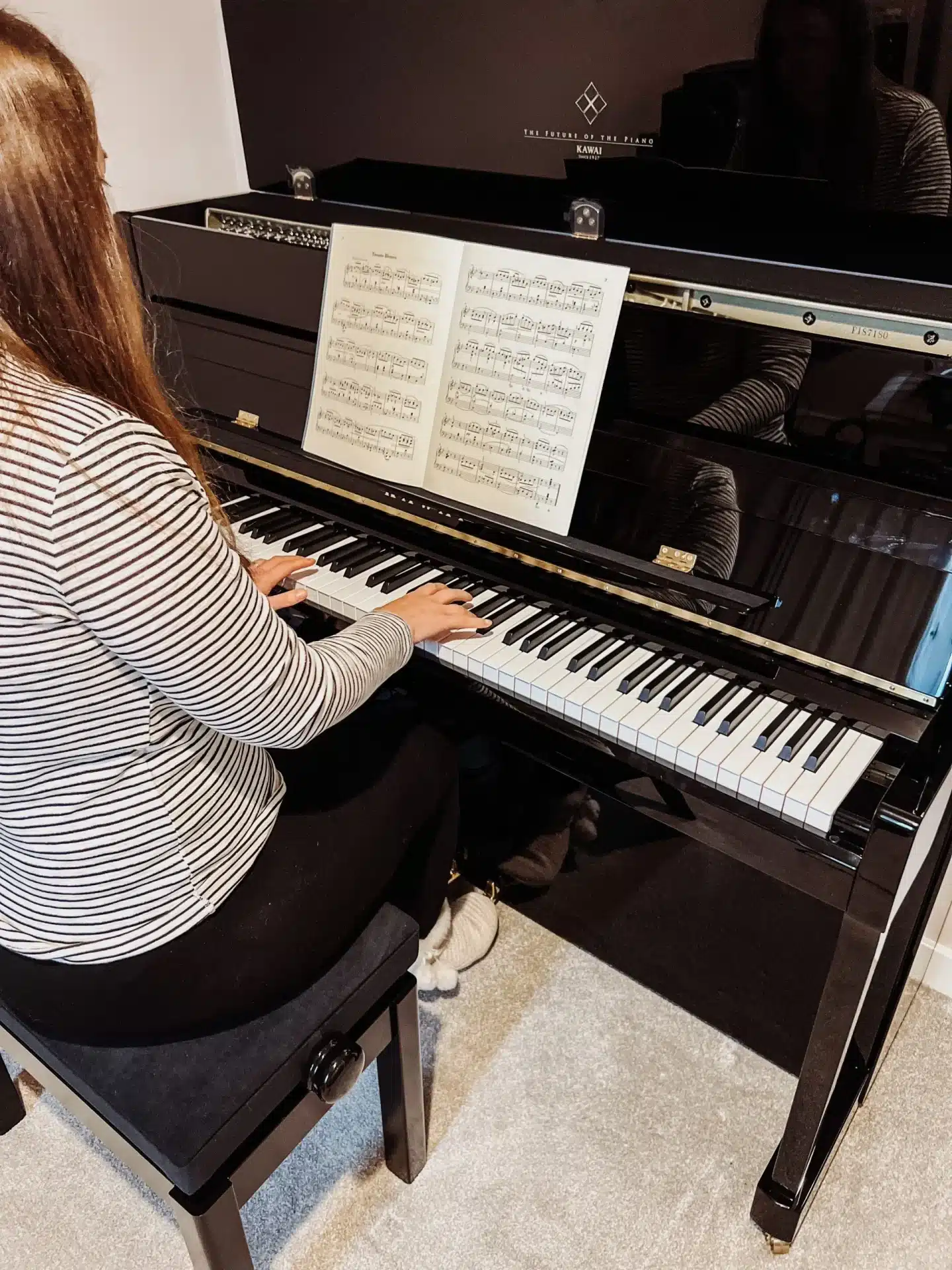
7. Playing a Musical Instrument
This one requires a bit of investment upfront (unless you already have an instrument gathering dust somewhere), but once you’ve got your guitar, keyboard, ukulele, whatever, you’re sorted for years.
I started learning piano in 2019 with the help of a local teacher, and I love it! It’s not an easy hobby, but it’s very fulfilling.
YouTube has free tutorials for basically every instrument. Start with easy songs you actually like rather than boring scales, or you’ll lose interest immediately.
Equipment and cost: Second-hand instruments from £50-200. Lessons from £20-100/hour. YouTube tutorialsare free. Sheet music from £5-15.
8. Solving Jigsaw Puzzles
I know this sounds like something your gran does, but puzzles have had a proper renaissance lately. There are entire online communities dedicated to them, and some of the designs are stunning.
Buy them second-hand from charity shops or Facebook Marketplace for under a fiver, or swap with mates once you’ve finished.
The satisfaction when you slot in that final piece? Unmatched.
Equipment and cost: Puzzles from £5-20. Second-hand from charity shops around £3-5. Puzzle mat for storage around £10-15.
9. Watching YouTube Videos or Online Courses
This is brilliant for people who love learning new things. YouTube offers tutorials on virtually every hobby imaginable, and it’s completely free.
There are loads of paid course platforms too if you want more structured learning – Udemy, Coursera, Skillshare. Some cost money but often have sales.
Equipment and cost: YouTube is free. Paid platforms from £10-30/month for subscriptions, or one-off courses from £10-100.
10. Rock Climbing
An adventurous hobby for those who love physical activities. Rock climbing can be a thrilling and challenging way to spend your alone time, though you’ll usually need someone to belay you at first.
Equipment and cost: Climbing shoes from £50-200. Harness from £40-150. Gym membership from £40-60/month. A day costs around £10-15.
11. Bird Watching
A peaceful and relaxing hobby. Bird watching lets you connect with nature and observe different bird species without much fuss.
I started doing this during lockdown when I was desperate for any entertainment, and I’ve kept it up because it’s actually quite interesting.
Equipment and cost: Binoculars from £50-200. Bird identification book from £10-20. Free apps available. Bird feeder for garden from £15-40.
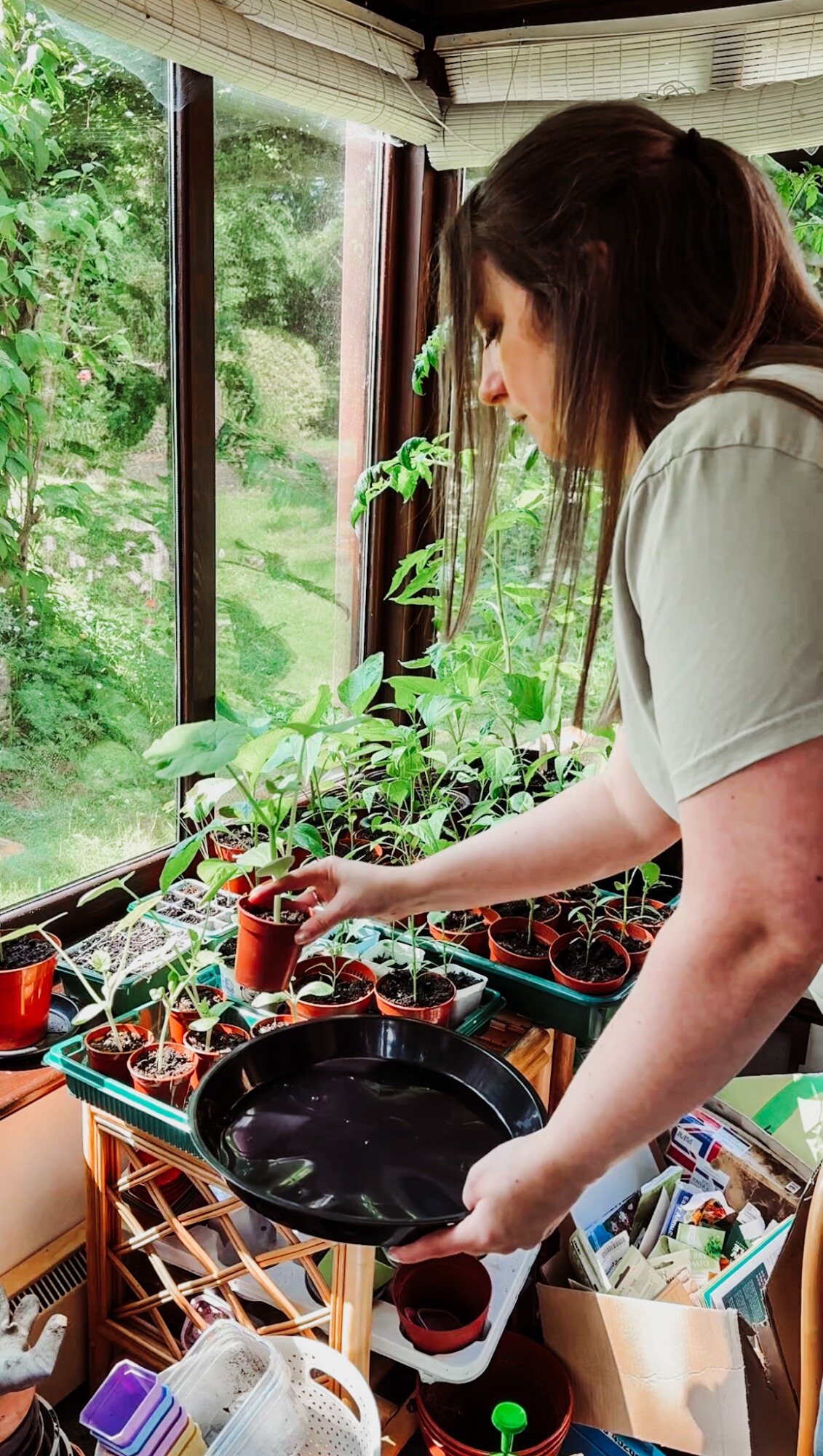
12. Gardening
Gardening is therapeutic and lets you connect with nature. Whether you’re growing flowers, vegetables, or herbs, it’s rewarding and calming.
Even if you don’t have a garden, you can grow herbs on a windowsill. I started with basil and tomatoes because they’re pretty hard to kill.
Equipment and cost: Seeds from £1-3/packet. Compost from £5/bag. Basic tools from £10-30. Pots from £2-10 each. It can start very cheaply if you use containers you already have.
13. Solo Trips
Going on solo trips feels so fulfilling and freeing. Whether you just pop to some local museums for a day or decide to go somewhere overnight, it’s a great way to spend time.
Equipment and cost: Depends entirely on where you’re going. Day trips can cost just transport (£5-20). Overnight trips from £50-200+, depending on accommodation and activities.
14. Photography
Your phone camera is probably decent enough to start with, so you don’t need expensive equipment straight away. Just start taking photos of things you find interesting.
I like going on “photo walks” where the whole point is just to wander around looking for things to photograph.
Equipment and cost: Phone camera free (already own). Entry-level DSLR from £300-500. Lenses from £100-1000+. Editing software from free to £10/month. Second-hand cameras are much cheaper.
15. Make-up
If you’ve always wanted to learn how to do makeup properly, then YouTube videos are brilliant. There are so many tutorials and you can learn professional techniques quickly.
Equipment and cost: Drugstore makeup from £5-15/item. High-end from £20-50/item. Brushes from £10-50 for a set. Start cheap and build up gradually.
16. Nail Art
As with makeup, there are loads of nail art ideas and tutorials on social media and YouTube. Get learning a new skill and even save money by doing your own nails.
Equipment and cost: Nail polish from £3-10/bottle. Nail art tools from £5-20. UV lamp for gel nails from £20-50. Treatments and base coats from £5-15.
17. Yoga
Yoga is brilliant. You can do it from the comfort of your own home. I always come back to yoga because it feels so good to stretch and build strength.
I love Yoga with Adrienne – she’s so calming and relaxing to follow along with. She has loads of yoga series on her YouTube channel.
Equipment and cost: Yoga mat from £10-40. Blocks and straps from £10-20. YouTube classes are free. Paid apps from £10/month. Studio classes from £10-15/class if you want in-person.
18. Weight Lifting
Weightlifting is the perfect way to get in shape and challenge yourself. It’s one of my favourite ways to exercise because it focuses on hitting personal bests rather than body-related goals.
Equipment and cost: Gym membership from £20-50/month. Home gym equipment from £100-1000+ depending on what you buy. Dumbbells from £20-100. Resistance bands from £10-30.
19. Blogging
I started blogging in 2012. I found writing and managing a blog such a great way to let off some creative steam. It lets you express yourself, share your passions, and connect with people online. Blogging is also a nice way to build a little online presence over time, and as you share more content you might come across communities and directories like FansList that help creators connect and be discovered.
Equipment and cost: Free platforms like WordPress.com or Blogger. Self-hosted blog costs around £50-100/year for hosting and a domain. The computer you already own.
20. Video Games
Playing video games is genuinely fun. There are various genres to explore, from adventure and strategy to puzzles. You can play on PC, consoles, or even explore retro games.
Equipment and cost: Console from £250-500. PC gaming setup from £500-2000. Games from £10-60 each. Subscription services from £7-13/month. Free games are available, too.
21. Creating Videos
Creating videos is a brilliant way to express yourself and learn something interesting. Video creation involves filming, editing, storytelling, and sometimes acting.
Creating videos is a great way to express yourself and try something new, whether it’s vlogging, tutorials, or short creative clips. Some people even end up turning it into a side project online, exploring different creator platforms like trans onlyfans as their audience grows
Equipment and cost: Phone camera free (already own). Basic editing software is free (iMovie, DaVinci Resolve). Advanced software from £20/month. Proper cameras from £300+. Lighting from £30-200.
22. DIY
Engaging in DIY projects lets you learn new skills, express creativity, and feel accomplished by creating something with your own hands. Start small and build up as your confidence improves.
Equipment and cost: Basic tools from £30-100. Materials vary by project from £10-200+. YouTube tutorials are free. Safety gear from £10-30.
23. Making Candles and Soap
Crafting candles and soap can be therapeutic and creative. You can experiment with scents, colours, and designs whilst creating personalised products. Who knows, you may even end up with your own side hustle!
Crafting candles and soap can be therapeutic and creative. You can experiment with scents, colours, and designs whilst creating personalised products. Who knows, you may even end up with your own side hustle! Some people even branch out into things like custom condom printing as a quirky extension of personalised product ideas.
Equipment and cost: Starter kits from £20-40. Wax from £10-20. Fragrance oils (like castor and jojoba) from £5-15. Moulds from £5-20. Soap base from £10-15.
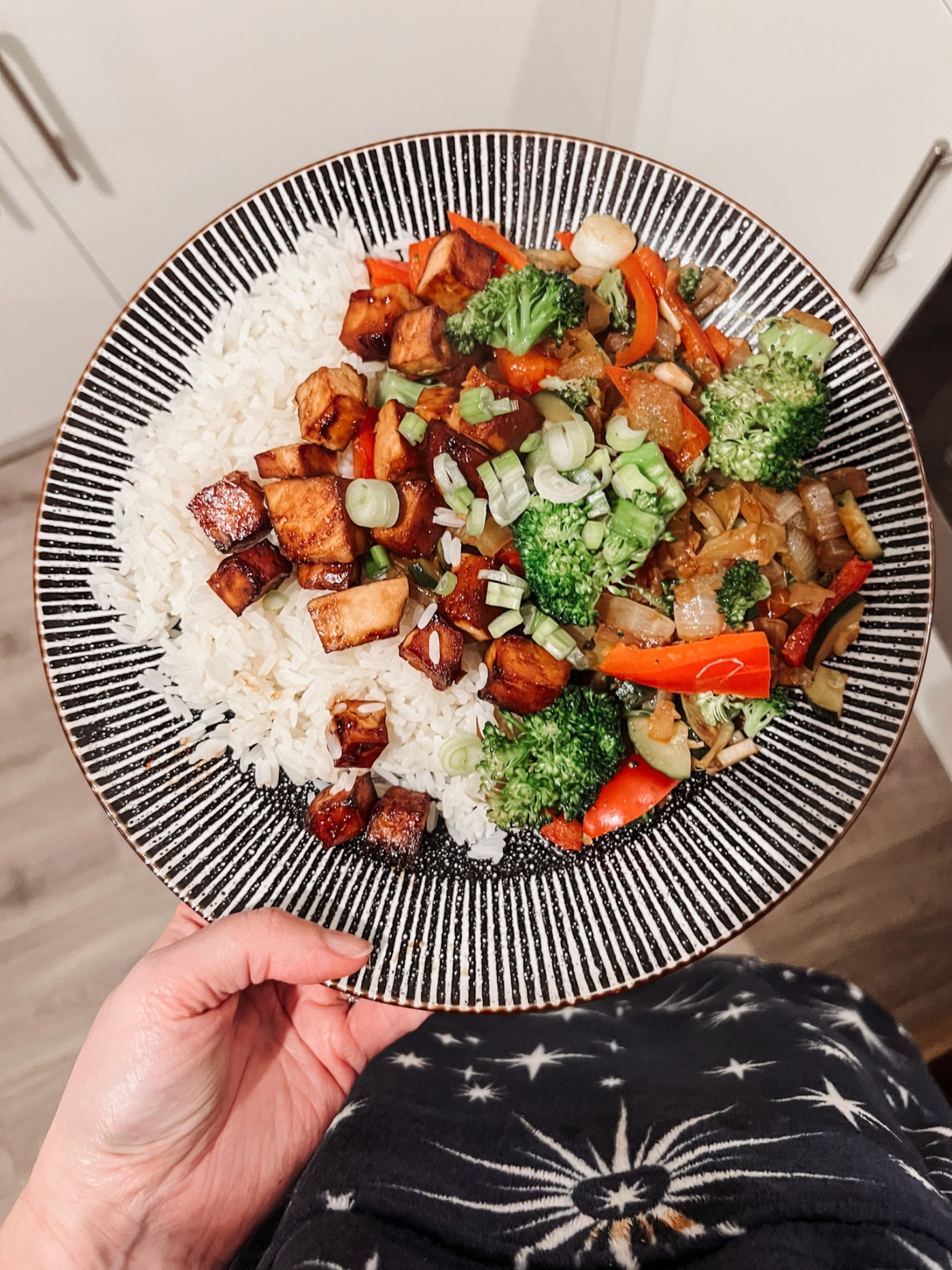
24. Cooking and Baking
Cooking and baking offer opportunities for creativity in the kitchen. It’s practical and provides immediate rewards in the form of delicious food.
I often get bored with my meals and like to try new things. I recently got a pasta maker to make fresh pasta and also made fresh pizza from scratch.
Equipment and cost: Basic pots and pans from £40-100. Baking tins from £10-30. Ingredients vary. Recipe books from £10-20 or free online.
25. Growing Food
I can’t wait to move house and start growing food in my garden! It provides a sense of self-sufficiency and a deeper appreciation for food. It’s rewarding to enjoy fresh, homegrown produce.
Equipment and cost: Seeds from £1-3/packet. Compost from £5. Containers from £2-10. Basic tools from £10-30. Allotment rental from £30-100/year.
26. Journaling
Journaling is brilliant for reflecting on your thoughts, emotions, and experiences. It can be self-expression, therapy, or simply a way to record memories and ideas.
Equipment and cost: Notebook from £3-15. Nice pens from £5-20. Stickers and supplies from £5-30 if you want to get fancy with it.
27. Podcasts
Creating or listening to podcasts is a way to explore interests, learn new things, or engage with niche communities.
I listen to a mix of educational stuff (because I like learning random facts) and pure entertainment (because sometimes you just want a laugh).
Equipment and cost: Listening is free. Creating: a microphone from £30-200. Editing software from free to £20/month. Hosting from £5-20/month.
28. Volunteering at an Animal Shelter
Volunteering at an animal shelter provides an opportunity to make a positive impact on animals’ lives. It’s rewarding and connects you with like-minded people.
Equipment and cost: Mostly free. Transport costs. Potentially, some clothing that can get dirty.
29. Origami
Origami is meditative and artistic. It involves folding paper into various shapes and figures. It requires patience, precision, and creativity.
All you need is paper, making it one of the cheapest hobbies to do alone.
Equipment and cost: Paper from £3-10. Origami books from £8-15. YouTube tutorials are free.
30. Calligraphy
Calligraphy is a beautiful traditional art that involves writing and decorating letters in a visually pleasing manner. It’s calming and adds a special touch to letters or cards.
Equipment and cost: Basic calligraphy pens from £10-20. Paper from £5-10. Ink from £5-15. Practice sheets are free online.
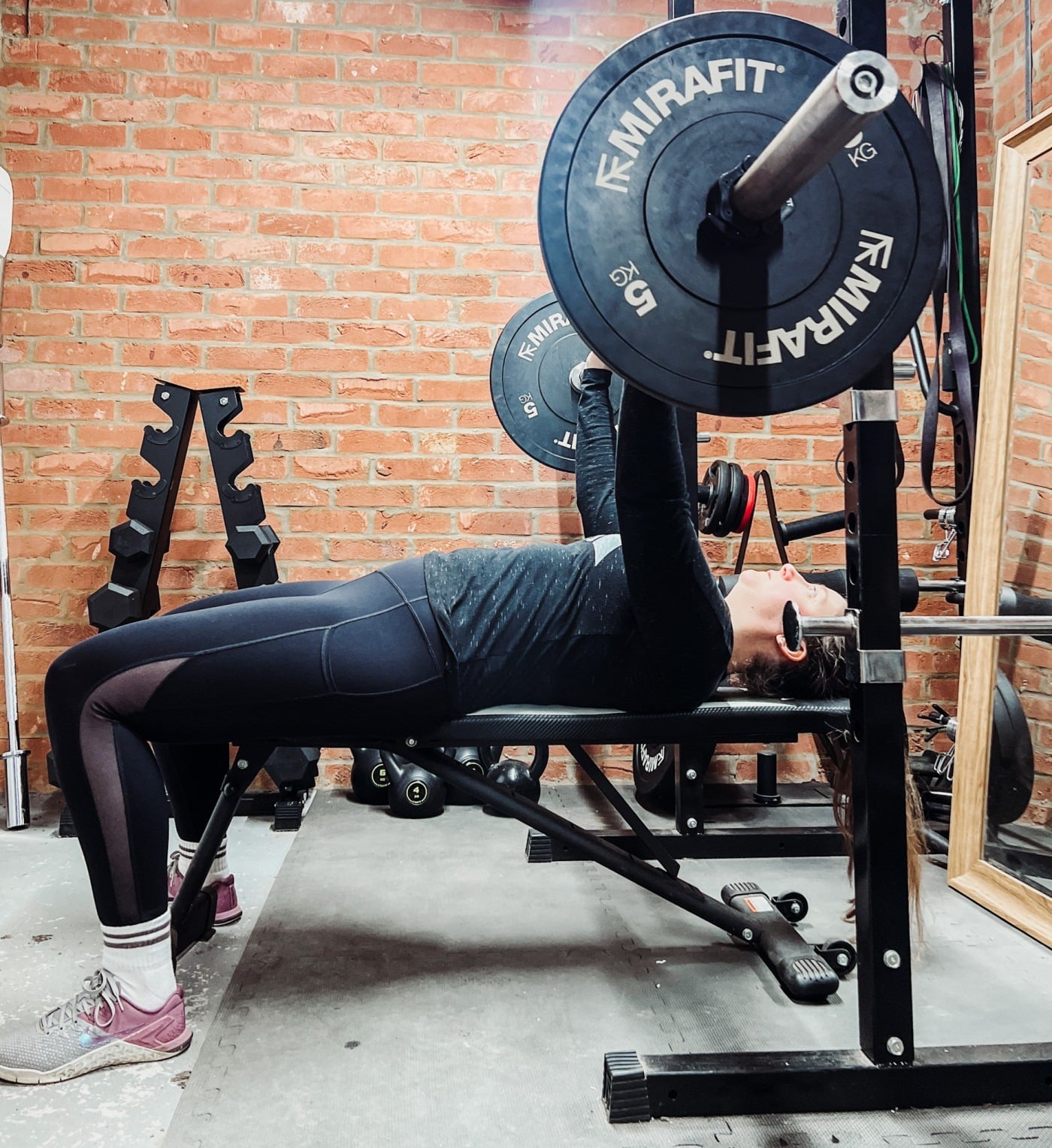
31. Solo Exercises
Solo exercises like yoga, running, or weightlifting can improve physical health, reduce stress, and boost mood. It’s personal and customisable.
Equipment and cost: Workout clothes from £20-80. Trainers from £40-120. Gym membership from £20-50/month. Home equipment from £20-500+.
32. Star-Gazing and Astronomy
Stargazing and studying astronomy let you get lost in the wonders of the universe. It’s contemplative and awe-inspiring.
I love astronomy and would love to have time to study it more.
Equipment and cost: Binoculars from £40-150. Telescope from £100-1000+. Star maps free online. Apps are free to £5.
33. Spa Day
Treating yourself to a spa day at home can be luxurious and rejuvenating. It’s a chance to relax, unwind, and pamper yourself.
Equipment and cost: Face masks from £2-10. Bath products from £5-20. Candles from £5-15. An at-home spa day can be done for £20-50 total.
34. Practising Hairstyles
Experimenting with different hairstyles can be fun and creative. It’s a chance to play with different looks and techniques.
If you have children, you can practise on them and give them lovely hairstyles for special occasions.
Equipment and cost: Hair tools from £20-100. Products from £5-15 each. Accessories from £5-20. Practice head from £15-30.
35. Cake Decorating
Cake decorating is edible art that combines baking skills with artistic flair. My mum picked this up as a hobby when she retired and always makes cakes for the family.
Equipment and cost: Decorating tools from £10-50. Piping bags and tips from £10-20. Food colouring from £5-15. Fondant from £5-10.
36. Listening to Music
Listening to music is universal and can evoke emotions, inspire creativity, and provide comfort. How often do you just sit and listen to music or explore new artists?
Equipment and cost: Streaming services from £10/month. Speakers from £30-300. Headphones from £20-200. Vinyl records from £15-30 each.

37. Coding
Learning to code is a valuable skill that offers opportunities for creativity and problem-solving. It’s a hobby that can lead to exciting projects and career opportunities.
Equipment and cost: The Computer you probably own. Free resources like freeCodeCamp. Paid courses from £10-200. Bootcamps from £3000-15000 if you want intensive training.
38. Visit Museums
Exploring museums lets you learn about history, art, science, and culture. It’s stimulating and educational, and you can go at your own pace when visiting solo.
Equipment and cost: Many museums are free. Others from £5-25/entry. Annual memberships from £50-100.
39. Learning about a Special Interest
Diving deep into a special interest or hobby you’ve always been curious about. It could be history, science, or anything that fascinates you.
Another surprisingly engaging solo activity is exploring niche online platforms that cater to very specific interests. For example, Onlyfinder makes it easy to discover creators and content tailored to what you’re genuinely curious about, turning casual browsing into a focused and enjoyable way to spend time on your own.
Equipment and cost: Books from £10-20. Online courses from £10-100. Subscriptions from £5-15/month.
40. Chess
Playing chess is mentally stimulating and challenges strategic thinking. Though you need an opponent, there’s hardly any talking during a game. You can also play against computer programmes.
Equipment and cost: Chess set from £10-50. Online platforms are free. Books from £10-20. Coaching from £20-50/hour.
41. Fishing
Fishing is peaceful and contemplative. It lets you connect with nature and enjoy the outdoors whilst escaping daily life’s hustle.
Equipment and cost: Rod and reel from £30-200. Tackle from £20-100. License costs around £30/year. Bait from £5-15.

42. Knitting or Crocheting
Knitting or crocheting is creative and practical. You can make clothing, accessories, and home décor. It’s meditative and promotes relaxation.
I love crocheting, and it’s so easy to get started!
Equipment and cost: Yarn from £2-10/ball. Needles or hooks from £3-15. Patterns from free to £5-10.
43. Swimming
Swimming is refreshing and promotes physical fitness and mental well-being. It’s low-impact exercise you can enjoy alone.
Equipment and cost: Swimwear from £15-40. Goggles from £5-15. Pool membership from £30-60/month. Pay-as-you-go from £5-8/visit.
44. Mountain Biking
Mountain biking is an exhilarating outdoor activity that combines physical exercise with adventure and exploration.
Equipment and cost: Mountain bike from £300-3000. Helmet from £30-100. Protective gear from £50-150. Trail fees vary.
45. Scrapbooking
Scrapbooking is creative and sentimental. It involves preserving and showcasing memories through photos, mementoes, and decorative elements.
Equipment and cost: Album from £10-30. Supplies from £20-100. Photos printing costs. Embellishments from £5-20.
46. Watching Movies
Watching movies lets you escape into different worlds and explore new ideas. It’s entertainment that can be enjoyed alone at your own pace.
Equipment and cost: Streaming services from £5-15/month. Cinema tickets from £8-15. Home setup costs vary.
47. Flower Pressing
Flower pressing is simple and meditative. It lets you preserve the beauty of flowers and is peaceful to do.
Equipment and cost: Flowers (free if picked). Paper and books (probably already own). Flower press from £10-30. Storage materials from £5-15.
48. Alcohol Brewing
Brewing alcohol at home is fascinating and rewarding. You can experiment with different ingredients and techniques to create unique beverages.
Equipment and cost: Starter kit from £40-100. Ingredients from £20-40/batch. Bottles from £10-30. Equipment from £50-200.

49. Bouldering
If you like rock climbing but don’t have experience, bouldering is a good starting point. You can go to bouldering clubs alone. It doesn’t go as high as rock climbing, and the floor is soft and bouncy.
Equipment and cost: Climbing shoes from £50-150. Chalk bag from £10-20. Gym membership from £40-60/month. Day pass from £10-15.
50. Tarot Reading
Tarot reading is spiritual and introspective. It lets you gain insight into your life and explore deeper meanings, promoting self-awareness and personal growth.
Equipment and cost: Tarot deck from £15-30. Books from £10-20. Apps from free to £5. Classes from £30-100.
51. Upcycling
Upcycling is creative and eco-friendly. It involves repurposing old or discarded items into new and useful products, saving money and improving DIY skills.
Equipment and cost: Items to upcycle (free or cheap second-hand). Paint from £5-15. Tools from £20-100. Supplies from £10-50.
52. Pottery
Pottery is creative and therapeutic. You can create functional and decorative ceramics. It’s hands-on and promotes mindfulness and self-expression.
Equipment and cost: Classes from £15-30/session. Clay from £10-20. Tools from £20-50. Kiln access through studios. Home wheel from £200-1000.
53. Meditation
Meditation is calming and introspective. It promotes relaxation, stress relief, and mental clarity. It’s personal and can be done anywhere, anytime.
Equipment and cost: Free (just need a quiet space). Apps are free to £10/month. Cushion from £15-40. Books from £10-20.
54. Sewing
Sewing is practical and creative. You’ll learn to fix your own clothes and décor, or make new items. It’s a skill that comes in handy for years.
Equipment and cost: Sewing machine from £100-500. Fabric from £5-20/metre. Notions from £10-30. Patterns from £5-15.
55. Whittling
Whittling is traditional and meditative. It involves carving wood into various shapes and figures. It’s simple yet rewarding, promoting focus and patience.
Equipment and cost: Whittling knife from £10-40. Wood (cheap or free). Safety gloves from £5-10. Sharpening stone from £10-20.
56. Singing
If you’ve always wanted to learn how to sing, now is your chance! Connect with music and emotions through your voice.
Equipment and cost: Free (just use your voice). Lessons from £20-50/hour. Apps from £5-10/month. Recording equipment from £50-300 if you want to record yourself.
57. Rock Polishing
Rock polishing is fascinating and educational. It involves transforming rough rocks into smooth and polished stones, letting you explore the beauty of natural materials.
Equipment and cost: Rock tumbler from £40-150. Polishing grits from £10-20. Rocks (cheap or free if collected). Finishing supplies from £5-15.

Quick Reference: Solo Hobbies by Category
Cheap Hobbies to Do Alone (Under £20 to Start)
Reading, Writing, Drawing, Journaling, Solving Jigsaw Puzzles, Watching YouTube Videos or Online Courses, Origami, Calligraphy, Listening to Music, Watching Movies, Flower Pressing, Meditation, Singing, Walking/Nature Walks, Bird Watching (basic level), Playing Card Games, Yoga (using free resources), Solo Exercises, Learning about a Special Interest, Podcasts
Hobbies You Can Do Anywhere
Reading, Writing, Journaling, Listening to Music, Podcasts, Meditation, Origami, Calligraphy, Drawing, Learning a New Language (using apps), Watching YouTube Videos, Playing Card Games, Chess (online or portable set), Singing, Photography (using your phone)
Outdoor Hobbies
Hiking and Nature Walks, Rock Climbing, Bird Watching, Gardening, Solo Trips, Photography, Fishing, Swimming, Mountain Biking, Bouldering, Star-Gazing and Astronomy, Growing Food
More Niche Activities and Unique Solo Hobbies
Blogging, Tarot Reading, Rock Polishing, Whittling, Flower Pressing, Origami, Calligraphy, Alcohol Brewing, Making Candles and Soap, Upcycling, Pottery, Cake Decorating, Nail Art, Practising Hairstyles, Scrapbooking, Sewing, Knitting or Crocheting, Coding, Video Games (retro or indie), Creating Videos
Finding Your Perfect Solo Hobby
Choosing the best solo hobbies for you depends on your budget, space, and interests. If you’re looking for cheap hobbies to do alone, start with activities like reading, writing, journaling, or meditation – all of which cost little to nothing. For those wanting hobbies you can do anywhere, consider portable options like sketching, origami, calligraphy, or audiobook listening.
Don’t be afraid to explore niche activities like tarot reading, rock polishing, or whittling – these unique solo hobbies often have passionate online communities and can become lifelong passions. The best hobbies to do alone are the ones that bring you joy, help you develop new skills, and fit seamlessly into your lifestyle.
Remember, you don’t need to commit to just one hobby. Many of these solo hobbies complement each other brilliantly. You might combine photography with hiking, or journaling with meditation. The key is finding activities you genuinely enjoy that enhance your wellbeing and personal growth.
So, which solo hobby will you try first? Start small with a cheap hobby to do alone, and see where your curiosity takes you. Your next favourite pastime might just be waiting on this list!
These are brilliant hobbies to do on your own! Writing is something I like to do on my own as I can put all of my thoughts down on paper! x
Lucy | http://www.lucymary.co.uk
I always forget that hobbies can be small, and they don’t have to be a huge extravagant thing x
I got back into reading last year and I love it, it’s so nice to sit in the peace and quiet with a good book – when I manage to find the opportunity with a toddler!
Gosh, so many of these I’d love to have a go at. Even some of the more obscure stuff like the tarot reading and astronomy. I’d also absolutely love to be able to speak another language. I keep meaning to download duolingo, but I never actually do it. Haha.
Claire.X
http://www.clairemac.co.uk
I don’t get a great deal of time on my own right now but when I do I love going for a run or doing some yoga. Even just for 15 minutes of putting the washing away solo I love sticking my podcast on and just letting my brain recharge. I want to exercise and be more healthy too!
Rosie