Since May of last year, I’ve made a real effort to eat more plant-based meals and stick to a whole-food plant-based diet. Eating plant-based foods over animal products is more than just a dietary preference—it’s an entire lifestyle shift that can bring remarkable health benefits. There are loads of vegan choices in the grocery store these days, so eating plant-based is easier than ever! I also love cooking fro scratch now. I add lots of herbs and spices to my meals. My favourites are Organic Cayenne Pepper Powder and sweet cinnamon powder.
As with any significant change, adapting to a vegan diet can stir up a series of transformations within your body. So let’s look at what happens to your body when you decide to go ditch the animal-based diet and eat more plant foods.
- What does a Vegan Diet Entail?
- Plant-based vs Vegan
- Benefits Of A Plant-Based Diet:
- Plant-based Diet And Gut Health
- The Initial Transition Period: Energy Boost and Increased Digestive Activity
- 2 to 3 Weeks In: Stabilising Cholesterol and Blood Pressure
- From 1 Month to 6 Months: Positive Changes in Gut Health
- Beyond 6 Months: Long-Term Health Implications
- Balancing Act
What does a Vegan Diet Entail?
A vegan diet is a subset of a vegetarian diet that excludes not only meat but also animal by-products, such as dairy products and eggs. Instead, a vegan diet focuses on consuming plant-based foods like fruits, vegetables, whole grains, legumes, nuts, and seeds.
Some people opt for veganism due to ethical concerns about animal welfare or environmental sustainability. Other individuals might be motivated by the potential health benefits, including weight loss and improved heart health. Regardless of the reasons, going vegan can lead to physical and mental changes, some of which might be surprising.
Plant-based vs Vegan
Vegan Diet:
- Definition: Veganism is a lifestyle that seeks to exclude the use of animals for food, clothing, or any other purpose. It extends beyond diet and includes a commitment to avoiding all forms of animal exploitation and cruelty.
- Focus: In addition to excluding animal products from the diet, veganism extends to other aspects of life, such as avoiding leather, wool, and other materials derived from animals. It may also involve avoiding products that have been tested on animals.
Plant-Based Diet:
- Definition: A plant-based diet is centred around whole, plant-derived foods such as fruits, vegetables, grains, legumes, nuts, and seeds. The focus is on consuming foods that come from plants while minimising or excluding animal products.
- Focus: The primary emphasis is on dietary choices, with the goal of deriving the majority of one’s nutrition from plant sources. Unlike veganism, plant-based diets may not necessarily extend to non-dietary aspects of life.
I like to think of it this way – vegans exclude animal products from their whole lives, with the focus being on ethical considerations for animals or the environment. Plant-based tends to be focused solely on food and is about eating healthy and eating less junk food.
Benefits Of A Plant-Based Diet:
A plant-based diet can offer a variety of health benefits. It is important to note that individual responses to dietary choices can vary, and factors such as overall diet quality, lifestyle, and individual health conditions play a role. Here are some potential benefits associated with a plant-based diet:
- Heart Health:
- Reduced risk of heart disease: Plant-based diets have been linked to lower levels of cholesterol, blood pressure, and a reduced risk of heart disease.
- Weight Management:
- Weight loss and maintenance: Plant-based diets are often associated with lower calorie intake and can contribute to weight loss or weight maintenance.
- Type 2 Diabetes:
- Improved insulin sensitivity: Some studies suggest that plant-based diets may improve insulin sensitivity, helping to prevent or manage type 2 diabetes.
- Digestive Health:
- Increased fibre intake: Plant-based diets are typically high in fibre, which promotes digestive health and helps prevent constipation.
- Cancer Prevention:
- Anti-Inflammatory Effects:
- Reduced inflammation: Plant-based diets are often rich in anti-inflammatory compounds, which may help reduce inflammation in the body.
- Nutrient Density:
- High nutrient content: Plant-based diets can provide a wide range of essential nutrients, including vitamins, minerals, antioxidants, and phytochemicals.
- Improved Gut Microbiota:
- Positive impact on gut microbiota: Diets rich in plant foods can promote a diverse and beneficial gut microbiota, which is associated with various health benefits.
- Lower Blood Pressure:
- Lower blood pressure: Plant-based diets have been shown to contribute to lower blood pressure levels, reducing the risk of hypertension.
- Environmental Sustainability:
- Reduced environmental impact: Plant-based diets generally have a lower environmental footprint compared to diets based on animal products, contributing to sustainability and reduced resource usage.
It’s important to approach a plant-based diet with a focus on variety, balance, and meeting nutritional needs. Consulting with a healthcare professional or a registered dietitian can help ensure that nutrient requirements are met and that the diet is tailored to individual health goals and needs.
Plant-based Diet And Gut Health
A plant-based diet can have several positive effects on your gut health, influencing the composition and activity of the microbiota (microorganisms living in the digestive tract). Here are some ways in which a plant-based diet can impact the gut:
- Increased Fibre Intake:
- Plant-based diets are typically rich in fibre, which comes from fruits, vegetables, whole grains, legumes, nuts, and seeds. Fiber is essential for maintaining a healthy gut. It promotes regular bowel movements, helps prevent constipation, and supports overall digestive health.
- Promotion of Beneficial Microorganisms:
- Plant-based diets provide a diverse array of nutrients that can promote the growth of beneficial bacteria in the gut. These bacteria, such as Bifidobacteria and Lactobacillus, contribute to a healthy microbial balance.
- Enhanced Microbial Diversity:
- A diet rich in plant foods has been associated with increased microbial diversity in the gut. Greater diversity is generally considered a marker of a healthy gut microbiome.
- Production of Short-Chain Fatty Acids (SCFAs):
- The fermentation of dietary fibre by gut bacteria produces short-chain fatty acids (SCFAs). SCFAs, such as butyrate, acetate, and propionate, play a crucial role in maintaining gut health. They provide energy for the cells lining the colon and have anti-inflammatory effects.
- Anti-Inflammatory Effects:
- Plant-based diets are often associated with reduced inflammation, and this can extend to the gut. Chronic inflammation in the gut is linked to various digestive disorders, and a plant-based diet’s anti-inflammatory properties may help mitigate these issues.
- Protection Against Pathogens:
- Some plant-based foods contain natural compounds that may help protect against harmful pathogens. For example, certain fruits and vegetables have antimicrobial properties that can contribute to a healthier gut environment.
- Prebiotics and Probiotics:
- Plant-based foods can serve as prebiotics, which are substances that nourish beneficial gut bacteria. Additionally, fermented plant-based foods, such as sauerkraut, kimchi, and plant-based yoghurts, can provide probiotics—live beneficial bacteria that support good gut health.
- Improved Gut Motility:
- The combination of fibre and water content in plant-based foods supports healthy gut motility. This can help prevent issues like constipation and maintain a regular digestive rhythm.
It’s important to note that individual responses to dietary changes can vary, and the overall quality of the plant-based diet matters. It’s advisable to make the transition to a plant-based diet gradually and to ensure that nutritional needs are met. Consulting with a healthcare professional or a registered dietitian can provide personalised guidance based on individual health goals and requirements.
The Initial Transition Period: Energy Boost and Increased Digestive Activity
There is an adjustment period in the first few weeks of adopting a plant-based. Plant-based eating often leads to a noticeable surge in energy levels. This energy boost is likely due to the replacement of processed meats with an abundance of fruits, vegetables, and nuts, all of which are rich in essential vitamins, minerals, and fibre that can promote sustained energy levels throughout the day.
During this initial period, you might also observe changes in your bowel movements. As your body adjusts to the higher intake of fibre from plant-based foods, you might experience a more regular, healthier pattern of bowel movements. This is primarily due to the higher fibre content of a vegan diet, which can cause an increase in gut bacteria that aids digestion.
2 to 3 Weeks In: Stabilising Cholesterol and Blood Pressure
After a couple of weeks, your cholesterol and blood pressure may start to stabilise. Plant-based foods are devoid of cholesterol and generally have lower saturated fat content. This means that a vegan diet can result in a significant reduction in your total cholesterol levels, effectively lowering your risk of heart disease and stroke.
Moreover, a diet rich in fruits, vegetables, whole grains, and legumes can help to reduce blood pressure. This is due to the high fibre content and low sodium levels found in these foods, which can help to regulate blood pressure and maintain cardiovascular health.

From 1 Month to 6 Months: Positive Changes in Gut Health
As you progress into your plant-based journey, you might start noticing positive changes in your gut health. Research suggests that a well-planned vegan diet can boost the gut microbiome, promoting better digestion and overall health.
A healthy gut microbiome is characterised by a diverse range of beneficial bacteria. Consuming a variety of plant-based foods helps to nurture this diversity, making your gut bacteria more adaptable and resistant to disruption.
However, it’s important to remember that any dietary changes, especially drastic ones such as switching to a vegan diet, can cause temporary discomfort. You might experience digestive issues such as bloating, gas, or loose stools as your body adjusts to the increased fibre intake. These symptoms are usually short-term and should subside as your body adapts to the new diet.
Beyond 6 Months: Long-Term Health Implications
Further down the line, a plant-based or vegan diet can have long-term health implications. For instance, your hair and nails might become stronger and shinier due to the higher intake of vitamins and minerals.
In addition, many individuals report that their skin becomes clearer and more radiant after a few months on a vegan diet. This is possibly due to the high levels of antioxidants and vitamins in plant-based foods, which can help to improve skin health.
However, it’s crucial to remember that long-term veganism can potentially lead to certain nutritional deficiencies if not properly managed. Key nutrients like vitamin B12, calcium, iron, and zinc are primarily found in animal products, so vegans need to ensure they get these nutrients from fortified foods or supplements.
Balancing Act
Despite the potential challenges, adopting a vegan diet can bring about numerous health benefits when done correctly. However, it’s crucial to ensure that your vegan meals are well-balanced and include a variety of whole foods to meet all your nutritional needs.
Just like any dietary changes, transitioning to a vegan diet requires time and patience. You might experience some physical changes, both positive and negative, but these are typically temporary and part of your body’s natural adjustment process.
Remember, it’s not about being perfect but about making conscious, sustainable choices for better health and a kinder world. After all, I’ve personally been eating plant-based since May 2023, and it’s been a journey of discovery, learning, and, most importantly, improved wellbeing. I honestly believe that this way of eating is the best thing for human health. Ditch the animal protein and try this healthier diet. If you want to try eating this way, but don’t want to give up animal products completely, then you can still eat a little bit of your favourite red meat or dairy every now and then! I still eat some things on occasion, for example, I had some meat with my Christmas dinner, or sometimes when I eat out, if nothing on the vegan menu jumps out at me, I may opt for vegetarian or even something with meat. It’s all about making it achievable for you. I found myself struggling to go completely vegan, although I’d like to one day. I am happy with a 99% plant-based diet!
Just bear in mind that if you’re ever feeling overwhelmed while going vegan, and you’re looking for some support when switching to a vegan diet, seeking professional guidance can be very helpful. So, here’s to embarking on a vegan journey that’s as fulfilling as it is beneficial for your health!
Related posts:
That’s wonderful.
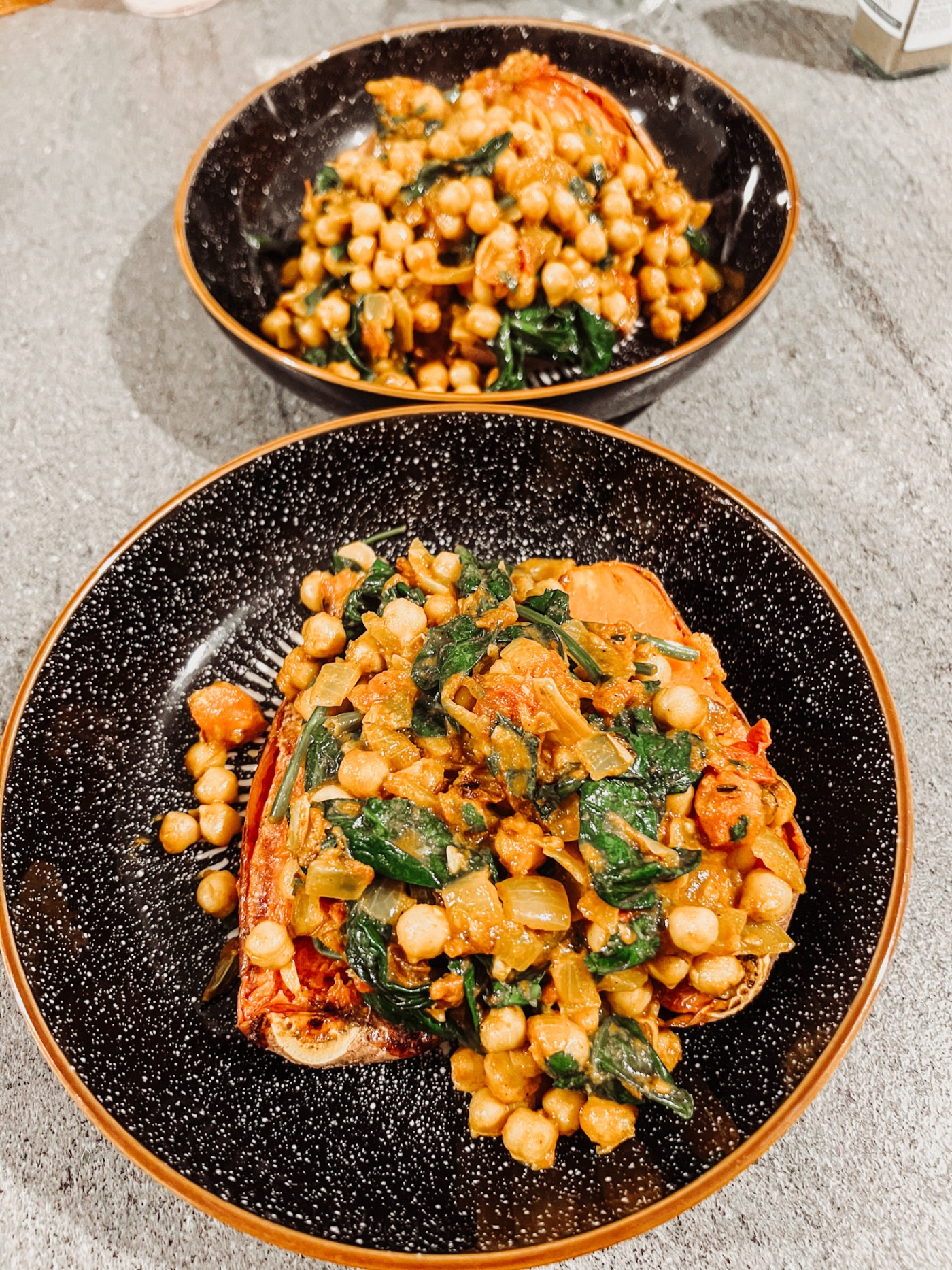
Plant-based diets have so many amazing health benefits! I love the look of the first meal picture – was that chickpeas? They are so delicious. I am vegetarian in terms of dietary, but vegan for everything else which is a bit of a weird way around. But for health reasons, I cannot cut out eggs or cheese x