Many hobbies compete for attention with screens, notifications, work, and entertainment that arrives instantly. Home growing works on a different timetable. Seeds take time to develop, plants need regular attention, and progress happens gradually rather than at the tap of a button.
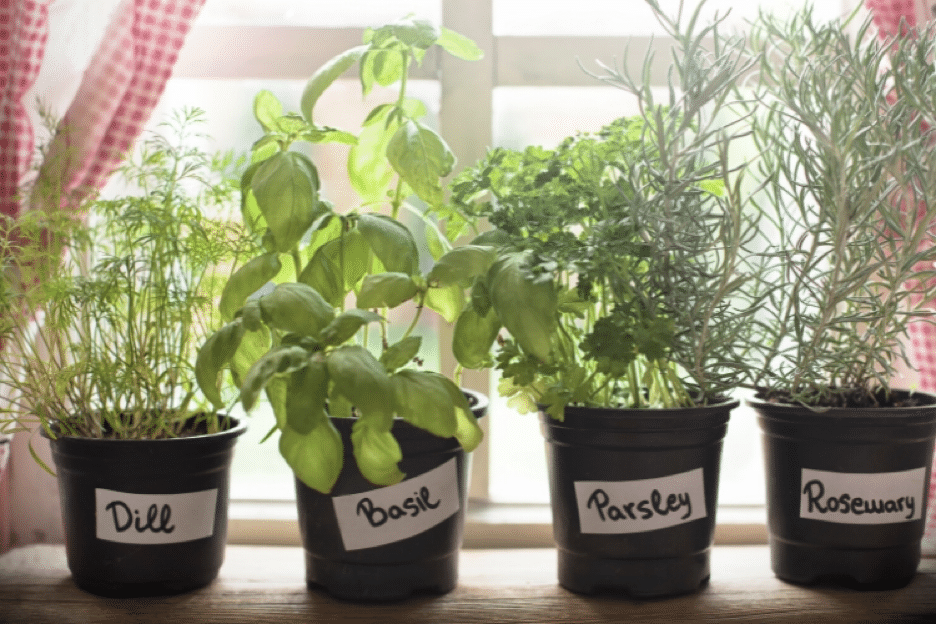
That slower pace is part of the attraction. Growing herbs on a windowsill, tending vegetables in the backyard, or maintaining a more involved garden gives people an activity they can’t rush just because they have a free afternoon.
For anyone reconsidering how they spend their downtime, home growing represents a wider shift toward hobbies that reward participation, patience, and consistency rather than speed.
Slow Hobbies Offer a Change of Pace
A slow hobby is not necessarily an activity that takes hours every day. Instead, it tends to unfold over time. Gardening fits neatly into that category because much of the experience involves small, repeated tasks followed by waiting.
You might spend a few minutes checking plants in the morning, watering them when necessary, making adjustments, and then leaving them alone. Tomorrow, you may notice something new.
That rhythm differs from leisure activities designed around constant stimulation. It can also make gardening accessible to people who do not have entire afternoons available for a hobby.
Home growing can fit into an existing routine in simple ways:
- Check plants while having morning coffee.
- Set aside a short period for maintenance after work.
- Use part of the weekend for larger gardening jobs.
- Keep notes about what worked and what didn’t.
- Take photographs to follow changes over time.
Growing Something Makes Leisure More Hands-On
People whose jobs involve computers can spend much of the working day interacting with things that exist on a screen. When leisure time arrives, another screen often takes over.
Growing plants introduces something physical.
You have soil to handle, containers to move, leaves to inspect, and changes you can see without opening an app. Even an indoor garden creates a physical project within the home.
This helps explain why growing can sit comfortably alongside other hands-on pastimes such as cooking, woodworking, painting, or repairing things. These activities ask people to participate rather than simply consume entertainment.
Gardening also allows different levels of involvement. Someone might be perfectly content keeping a few herbs alive. Another person may become interested in starting plants from seed, learning about different varieties, or creating a dedicated growing space.
Neither approach is more legitimate. A sustainable hobby fits the person’s available time, space, budget, and interests.
Home Growing Can Take Many Forms
The phrase “home growing” covers much more than a vegetable garden. People cultivate flowers, herbs, houseplants, salad greens, and other plants depending on their space and preferences.
For adults in jurisdictions where personal cannabis cultivation is legal, regulated cannabis can also be part of the home-growing landscape. Growers Choice Seeds specializes in cannabis and marijuana seeds for adults interested in this type of cultivation, which you can buy through the online shop at growerschoiceseeds.us.
As with any regulated activity, legality comes before the hobby. Rules surrounding cannabis cultivation differ between locations, so adults need to check the laws that apply to them before obtaining seeds or beginning a grow.
The Process Encourages Patience
Planting something today does not guarantee anything interesting will happen tomorrow. There are stretches when the main task is simply to keep providing appropriate care and let the plant develop.
That can be refreshing in a culture where speed is often treated as an advantage.
It also changes the way progress is measured. A gardener begins noticing smaller developments: a new leaf, a seedling emerging, a plant becoming large enough for another container, or the first sign that something may eventually be ready to harvest.
There can also be setbacks. Seeds do not always germinate. Plants can struggle. A promising project may not produce the expected result.
Accepting those disappointments is part of gardening. Unlike a carefully edited video of somebody else’s thriving plants, a real home garden includes experiments that fail alongside those that work.
You Don’t Need a Large Garden to Start
The image of home growing often involves raised beds, large backyards, or dedicated indoor equipment. Those setups suit some people, but they are not prerequisites for discovering whether gardening is enjoyable.
A windowsill can accommodate herbs. A balcony can hold containers. A small outdoor area might fit a few carefully selected plants.
Starting small has practical advantages. Fewer plants mean less maintenance and lower initial costs. It also gives beginners time to understand how much attention they genuinely want to give the hobby.
Before starting, consider four basic questions: How much usable space do you have? How much suitable light reaches it? How often can you realistically tend the plants? What do you actually want to grow?
Those answers can guide the scale of the project better than trying to recreate an elaborate garden seen online.
A Hobby Doesn’t Need to Become Another Goal
Wellness culture can sometimes turn enjoyable activities into obligations. A walk becomes a step target. Sleep becomes a score. A hobby becomes a side business.
Home growing does not need to follow that pattern.
There is nothing wrong with becoming highly knowledgeable or ambitious about gardening, but improvement does not have to be the point. A person can grow basil every year without progressing to a greenhouse. They can maintain three plants without aspiring to thirty.
The value of a slower hobby often lies in having somewhere to place attention without demanding an immediate return.
That mindset can help keep gardening separate from the performance pressures found elsewhere in daily life. Sometimes the harvest matters. Sometimes spending twenty quiet minutes tending plants is enough.
Final Thoughts
Home growing appeals to people looking for slower hobbies because plants refuse to operate at the speed of modern entertainment. They require attention, patience, and a willingness to let progress happen gradually.
The hobby can be as simple as keeping herbs on a kitchen windowsill or as involved as maintaining a dedicated garden. What matters is choosing something appropriate for your circumstances and giving yourself time to learn.
For people whose days already feel fast, a good leisure activity does not always need to provide more stimulation. Sometimes the appeal is exactly the opposite: having something worth waiting for.