Walk into any café on a weekend and you might spot it: someone with a tote bag, a ball of yarn peeking out, quietly working a few rows between sips of coffee. A few years ago that scene felt niche—something your gran did, or a hobby you tried once and forgot. Now it’s back in the cultural foreground, from runway-inspired chunky scarves to everyday jumpers that look intentionally “imperfect” in the best way.
So what changed? Why is handmade knitwear showing up everywhere again—and why do so many people want to make it themselves?
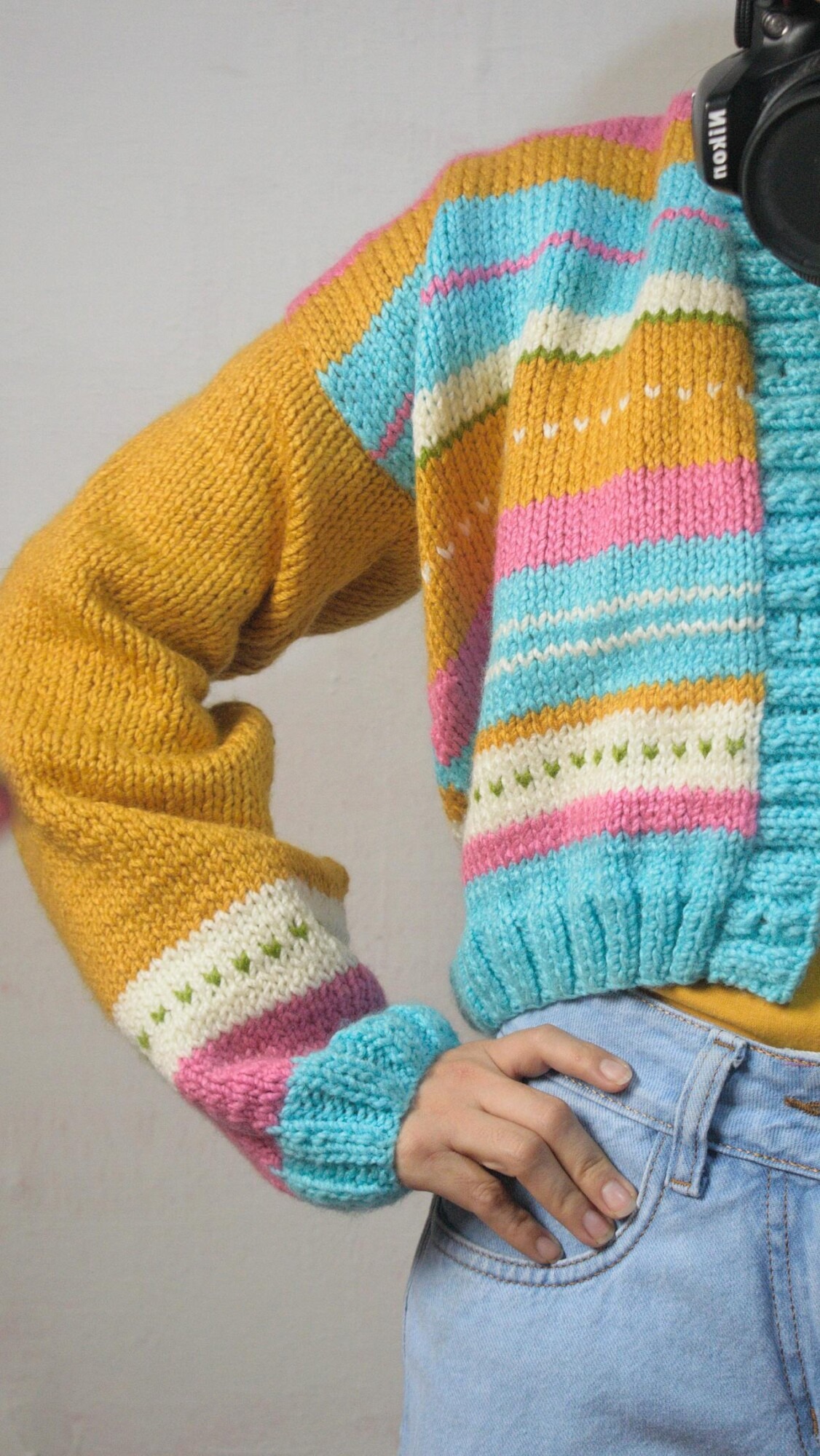
The Shift From “Fast” to “Worth Keeping”
Fast fashion didn’t just make clothing cheaper; it also made clothing feel disposable. When you can replace a jumper for the price of a lunch, it’s easy to stop thinking about how it was made, what it’s made from, and how long it should last. But the past few years have nudged shoppers in the opposite direction. Rising prices, supply chain headlines, and greater awareness of textile waste have all contributed to a simple question: Do I actually want more stuff, or do I want better stuff?
Handmade knitwear sits neatly in that “better” category. A well-made wool jumper can last for years, often improving with wear. And even when it doesn’t last forever, it’s easier to repair than many mass-produced garments. Knits can be reworked, darned, patched, or even unravelled and repurposed. That practical longevity has started to feel appealing again—almost radical in a world built around constant replacement.
There’s also a values element. Natural fibres, traceable yarn sources, and small-batch production have become more than buzzwords. For many knitters (and knitwear buyers), the point isn’t perfection; it’s intention.
Comfort Dressing Grew Up—and Got Interesting
Let’s be honest: the “comeback” story would be incomplete without mentioning how our wardrobes changed. The last few years accelerated a move toward comfort dressing, but not in a purely casual, throw-on-anything way. People still want to feel put-together, even when they’re dressing for hybrid work, school runs, or a relaxed social calendar.
Knitwear delivers that balance better than almost any other category. A textured cardigan looks styled without feeling stiff. A simple ribbed hat can elevate a basic coat. And because knits have dimension—cables, colourwork, shaping—they read as crafted, not generic.
Design trends have helped too. Contemporary patterns now borrow from streetwear silhouettes, Scandi minimalism, and heritage workwear. The result is knitwear that feels modern, not costume-y. If you’ve ever avoided knitting because you pictured only frilly baby garments or scratchy novelty jumpers, the current landscape might surprise you.
The “Make It Yourself” Mindset Is Here to Stay
A big part of knitwear’s resurgence isn’t just wearing it—it’s making it. Knitting has benefited from the broader rise of home skills: baking bread, growing herbs, mending jeans. Once people rediscovered the satisfaction of producing something tangible, it was hard to unsee the appeal.
Knitting is especially sticky because it’s both accessible and deep. You can learn the basics in an afternoon and make something functional quickly, yet you can spend years refining your technique. It gives you small wins (a finished cuff, a neat decrease) while also offering long-term mastery.
And crucially, today’s beginner experience is better. Clearer patterns, video tutorials, and thoughtful project formats have lowered the barrier to entry. If you’re starting out, choosing the right project matters more than buying “the best” tools. Beginner-friendly options typically include:
- A pattern written with clarity (and ideally some photo support)
- Yarn that suits the project (not just what looks pretty in the skein)
- Needles and accessories that match the gauge and construction
- A realistic finish line—something you’ll actually wear
That’s why many new knitters gravitate toward curated kits and guided projects. If you like the idea of skipping decision fatigue and starting with everything aligned, you’ll see options like complete knitting sets for handmade projects referenced in knitting communities as a straightforward way to get going—particularly when you’re still learning how yarn, needle size, and pattern instructions interact in real life.
Social Media Didn’t Just Popularise Knitting—It Modernised It
Knitting has always been social, but it used to be limited by geography. Now, a beginner can watch someone cast on, troubleshoot a tricky step, and see a finished garment from five different angles—within minutes.
Platforms like Instagram, YouTube, and TikTok have made knitting visible, but they’ve also shifted what knitting means. Instead of a solitary craft, it’s often framed as a lifestyle practice: slow, mindful, creative, and skill-building. That framing resonates, especially with younger makers who want hobbies that feel grounding rather than purely consumptive.
There’s also a powerful feedback loop: when people share their projects publicly, it normalises the learning curve. Dropped stitches and wonky edges aren’t failures; they’re part of the story. That makes the craft feel more approachable, and it encourages more people to try—then share—then inspire others.
A Return to Craftsmanship (Without the Snobbery)
One of the most interesting aspects of knitting’s comeback is that it’s not driven by gatekeeping. Yes, there are advanced techniques and serious expertise. But the dominant culture in modern knitting spaces leans supportive: teach what you know, share what you’ve learned, and celebrate progress.
This matters because knitwear is inherently personal. Your tension is your own. Your colour choices reflect your taste. Even if two people follow the same pattern, the finished pieces rarely look identical. That individuality is part of the charm—and it contrasts sharply with mass-market sameness.
If you’re buying handmade knitwear rather than making it, the same principle applies. People increasingly value visible signs of the maker’s hand: subtle texture shifts, hand-finished edges, yarn character. Those details signal time and attention—two things many of us feel we have less of than ever.
How to Join the Comeback (Without Getting Overwhelmed)
If you’re curious about knitting, the smartest entry point is a project that fits your life. Ask yourself: Do I want something quick and wearable, or am I ready for a longer build? Hats, cowls, and simple scarves are classic starters because they teach core skills without too much shaping. A sleeveless vest can also be a satisfying “first garment” because it introduces construction while staying forgiving on fit.
A few practical tips help, too. Choose a yarn you’d enjoy wearing against your skin. Pick a colour you’ll actually use (neutrals are popular for a reason). And don’t underestimate the value of finishing: weaving in ends neatly and blocking properly can make an average knit look polished.
Handmade knitwear is making a comeback because it offers something many people are craving: comfort with character, clothes with a story, and skills that build over time. Whether you’re wearing it, making it, or simply admiring it on someone else’s shoulders, the shift feels bigger than a trend. It’s a quiet move toward things that take time—and are worth it.