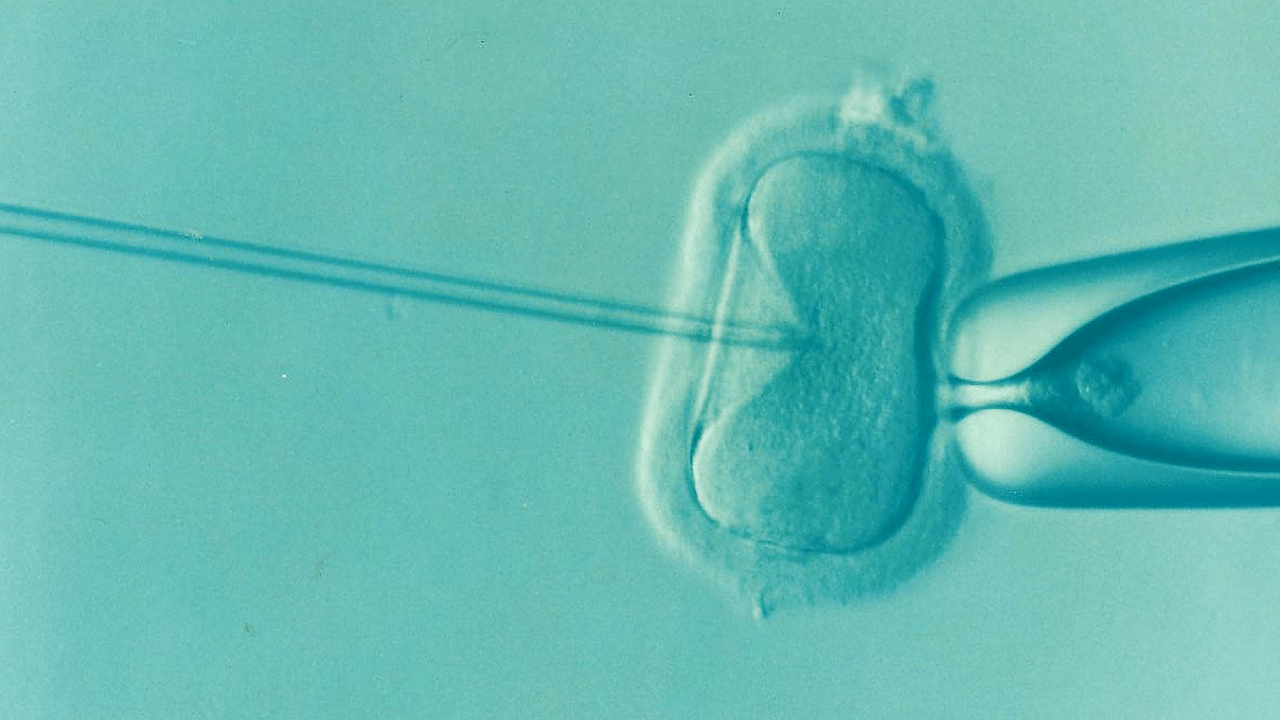
Falling pregnant is easy for some people, but a major challenge for others. One common solution for couples struggling to have a baby is in vitro fertilisation (IVF). This involves taking sperm and fertilising an egg outside of the body and then placing the fertilised egg back in the womb.
IVF is available through the NHS – however you must meet eligibility requirements to be considered. When seeking out IVF privately, you may not have to worry about many of these requirements, however this treatment can be expensive and beyond the budget of many couples.
This post offers some tips to help you know when to consider IVF.
When to consider IVF…
Getting IVF via the NHS is the preferred solution for many couples. Although eligibility requirements can vary around the country, you are likely to be considered if you meet the following criteria:
You have been trying for 2 years
If you have been trying for 2 years, but have been unable to conceive or have had one or several miscarriages, you will usually be considered for IVF. Women over 35 may only be required to try naturally for 1 year.
You have already tried several rounds of IUI
IUI (intrauterine insemination) is sometimes prescribed before IVF. This involves fertilising the egg with sperm artificially while it’s still in the womb, and is considered to be less invasive. Some couples can get IUI for free, but others may have to pay (many same-sex couples find that they have to pay due to having to source a donor).
You have diagnosed health problems affecting fertility
If you have been struggling to have a baby, it is worth undergoing fertility testing and other medical tests. Certain diagnosed health problems endometriosis or polycystic ovary syndrome (PCOS) could be the cause – having a diagnosis may fast-track you to be considered for IVF, or you may find that you’re able to undergo other treatment to improve your fertility.
You are aged between 23 and 42
IVF will generally only be considered to women between 23 and 42. If you are younger than 23, you will have to wait. Those older than 42 may unfortunately be rejected due to a very low chance of success (by the age of 41, there is usually only a 10% to 20% success rate for IVF – while the success rate at 35 is 40% – so don’t leave it too long to request IVF).
You have a healthy BMI
You may also need to have a BMI (body mass index) of less than 30 to be considered for IVF. This is only because a higher BMI negatively affects egg quality and can reduce the success rate of IVF.
You don’t smoke
If you smoke, you usually will not be considered for IVF. However, proving that you have undertaken a smoking cessation programme could make you eligible.
When to consider private IVF…
If you visit a private clinic, you may not have to meet all of these requirements. That said, the same factors such as BMI, smoking and age do still affect your chances.
Private IVF treatment is not cheap. While treatment packages start at £2,750, these often exclude many extra necessary costs. The average cost of a single IVF cycle is currently £7,545. Most couples also require multiple IVF cycles – so you could spend closer to £20,000.
There are finance options, but you need to be realistic about what you can afford and your chances of success. It is usually best to get an NHS consultation first and seeing what your options are from there.