Luxury has always been associated with rarity, craftsmanship, and exclusivity. Today, however, a major shift is taking place across the jewellery industry as high-net-worth consumers increasingly move away from standardised luxury purchases in favour of deeply personal creations. Bespoke jewellery is no longer viewed as a niche offering reserved for royalty or collectors. Instead, it has become one of the defining features of the modern luxury market.
Consumers are searching for jewellery that reflects their identity, relationships, milestones, and personal taste rather than simply following trends. As a result, luxury maisons are evolving to offer more customisation, one-of-a-kind craftsmanship, and collaborative design experiences than ever before.
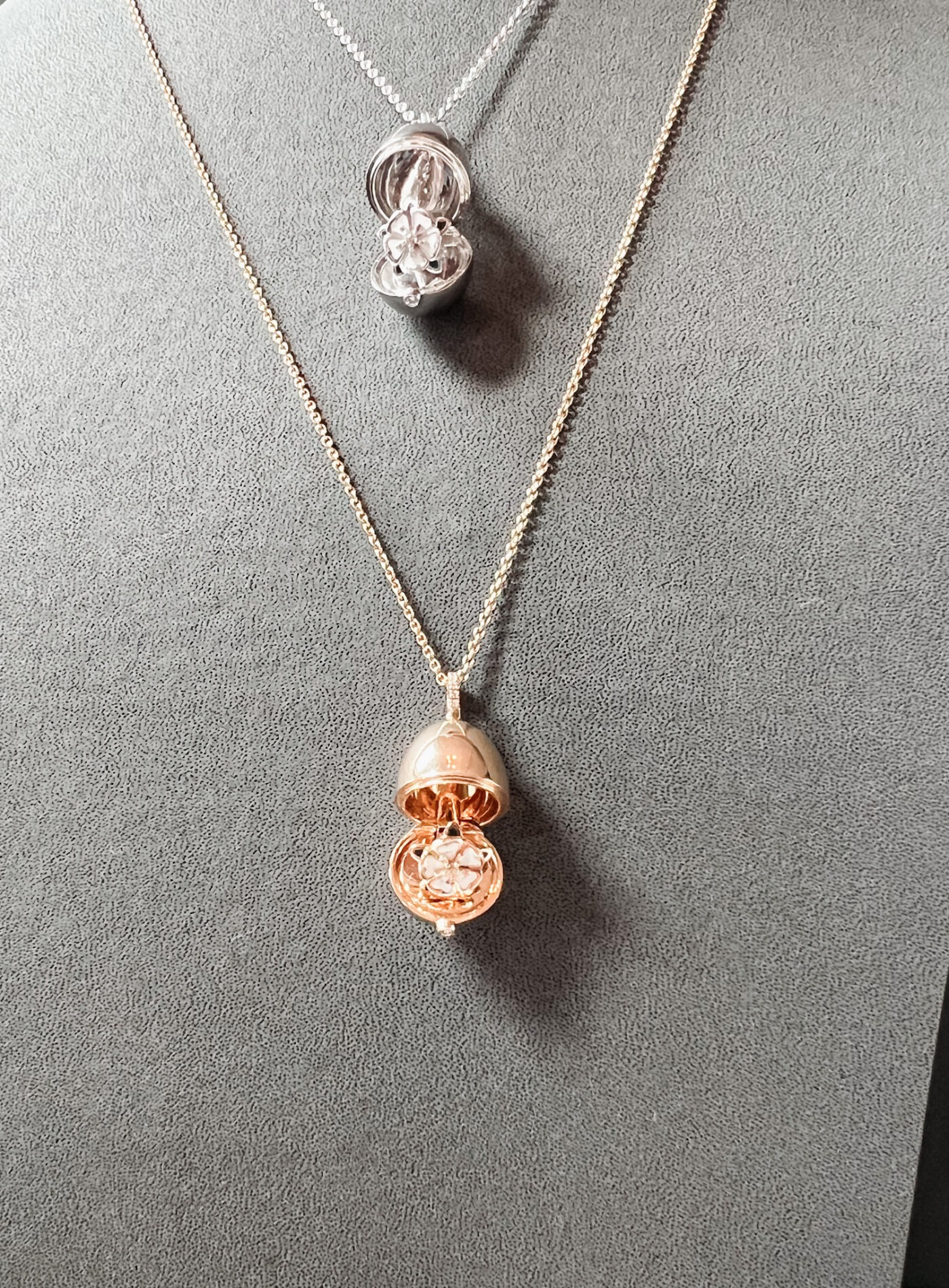
Luxury Buyers Want Meaning Beyond Status
For decades, luxury jewellery has been largely centred around prestige and visibility. Owning pieces from recognised heritage brands communicated wealth, sophistication, and social standing. While status still matters, affluent buyers are increasingly prioritising emotional connection and individuality alongside prestige.
Modern consumers want jewellery that tells a story. Engagement rings, anniversary pieces, milestone gifts, and collectible heirlooms are now expected to carry deeper personal significance. This has created enormous demand for personalised commissions that feel impossible to replicate.
Luxury jewellery houses such as Fabergé have embraced this evolution by offering highly tailored design experiences rooted in exceptional craftsmanship and artistry. Through services like made to order diamond jewellery from Fabergé, clients can collaborate directly with expert artisans to create entirely unique pieces designed around personal vision, gemstones, symbolism, and heritage.
Bespoke Design Is Becoming the Ultimate Luxury Experience
In many ways, the luxury experience itself has become just as valuable as the finished piece. High-end buyers increasingly want involvement in the creative process, transforming jewellery purchasing into something immersive and memorable.
Rather than selecting from existing collections alone, clients are choosing bespoke consultations, gemstone sourcing experiences, personalised engravings, and custom design journeys. This level of collaboration creates emotional investment that standard retail experiences often cannot match.
Luxury brands understand that exclusivity is no longer defined solely by price. Instead, exclusivity is increasingly tied to originality. Owning something nobody else in the world possesses has become one of the strongest status symbols in modern luxury culture.
Heritage Craftsmanship Adds Authenticity
As personalisation becomes more important, consumers are also paying closer attention to craftsmanship and heritage. Buyers want reassurance that bespoke jewellery is being created by skilled artisans using traditional techniques rather than mass-produced methods.
This is one reason historic jewellery maisons continue to hold such appeal within the luxury market. Fabergé’s reputation, for example, was built on extraordinary artistry, intricate detailing, and exceptional workmanship that dates back to the Imperial Russian era.
Today’s luxury consumers are highly aware of authenticity and legacy. They often view heritage craftsmanship as a way of preserving artistic traditions while also investing in pieces with lasting cultural and emotional value.
Younger Luxury Consumers Are Driving Demand
Millennial and Gen Z luxury buyers are playing a major role in the growth of personalised jewellery. These audiences tend to value individuality, self-expression, and unique storytelling more heavily than previous generations.
Rather than purchasing jewellery purely as a financial investment or social signal, younger affluent consumers often seek pieces that align with their personal identity and lifestyle. They are particularly drawn to custom gemstones, symbolic motifs, coloured enamel work, and meaningful design details.
This shift has encouraged luxury jewellery houses to become more flexible and design-focused while maintaining their heritage positioning. Buyers want contemporary individuality paired with timeless craftsmanship.
Jewellery Is Increasingly Viewed as Wearable Art
Personalisation is also blurring the line between jewellery and art. Bespoke luxury pieces are increasingly appreciated not just as accessories, but as collectible artistic creations.
Fabergé, in particular, has long been associated with artistry and imaginative design, becoming globally recognised for its intricate craftsmanship and iconic decorative creations.
Modern luxury consumers are embracing this artistic dimension by commissioning jewellery that feels expressive, sculptural, and emotionally significant. In many cases, these pieces are intended to become future heirlooms passed between generations.
This emphasis on artistic individuality helps distinguish bespoke luxury jewellery from trend-led fashion accessories that may lose relevance over time.
Sustainability and Longevity Are Influencing Luxury Spending
Another reason bespoke jewellery is growing in popularity is the wider shift towards intentional luxury consumption. Consumers are becoming more selective about what they purchase, often preferring fewer, higher-quality items with long-term significance.
Custom jewellery aligns perfectly with this mindset because it encourages permanence rather than disposable trend cycles. Bespoke pieces are designed to last for decades emotionally, stylistically, and physically.
Luxury buyers increasingly value craftsmanship, provenance, and durability over fast-moving fashion trends. Personalised jewellery offers all three while also creating a stronger emotional attachment to the final piece.