January can be a quiet time for gardens in the UK. This month is often seen as a break after the festive season. But, January is actually a great time to get ahead on garden tasks and decide what to do with your Christmas tree. And we really need to get ahead, as we’ve just bought a new house with a big garden so there are plenty of jobs for us to get on with! From pruning fruit trees to caring for garden birds, there’s plenty to do. Not to mention all the old leaves we need to rake up and compost!
Updated: September 2026
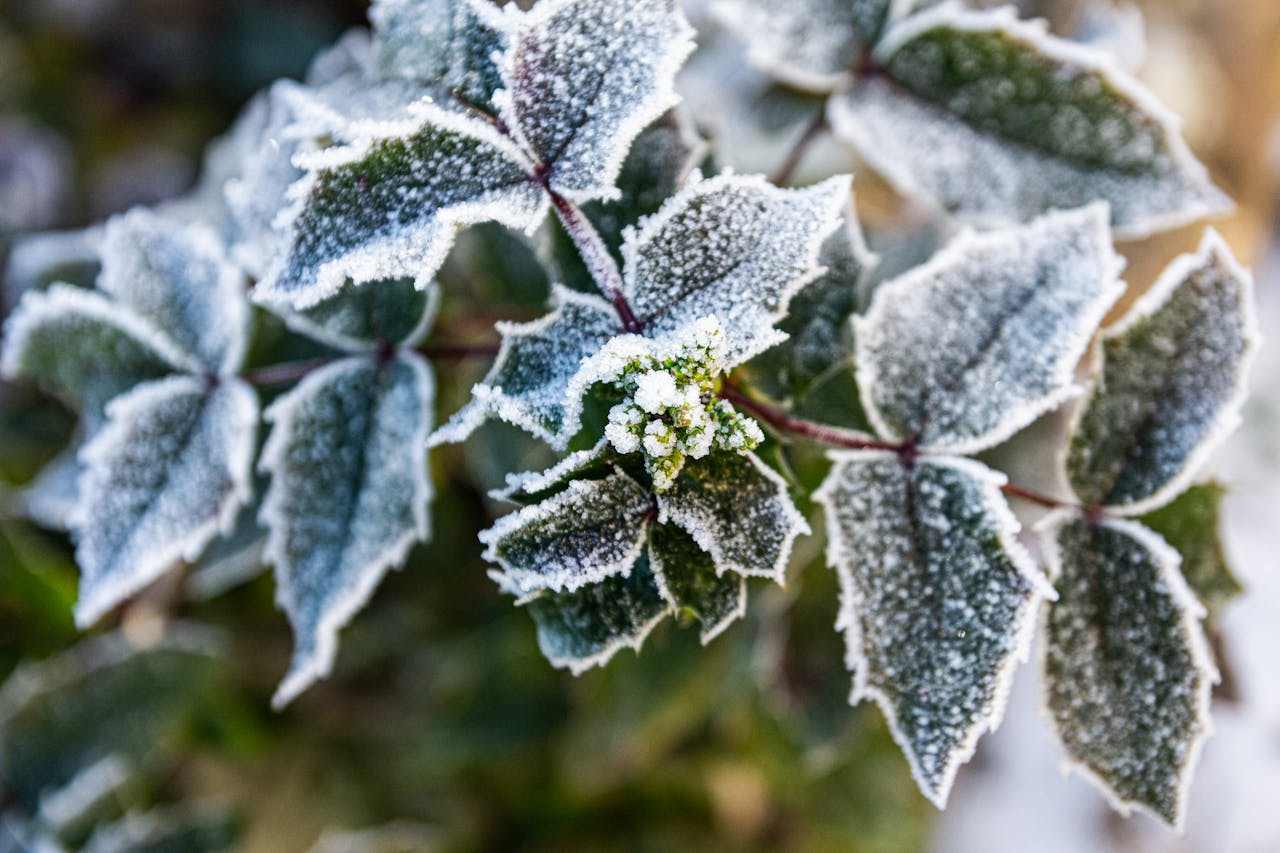
Pruning and Tidying
Prune apple and pear trees to encourage healthy new growth. Remove old or diseased plant material for a tidy garden and to prevent the spread of fungal diseases.
Prune apple and pear trees
January is the right time because the trees are fully dormant — no leaves, no fruit, just the bare structure of them. That makes it much easier to see what you’re working with and which branches need to go.
Focus on removing dead or diseased wood first, then anything that’s crossing over other branches or growing inwards toward the centre. The goal is an open, airy shape that lets light and air through. Make your cuts just above an outward-facing bud, nice and clean, so new growth has somewhere to go.
One thing worth stressing: use clean, sharp tools. If you’re going between trees, wipe the blades down — fungal diseases spread easily on dirty secateurs.
Remove old or diseased plant material
Clear out anything dead, diseased or dying from beds and borders while you can see what’s what. This isn’t just tidying for the sake of it — leaving old plant material sitting around gives pests and fungal diseases somewhere to overwinter and reappear in spring.
A word of caution on the compost heap: most garden waste is fine to compost, but diseased material shouldn’t go in unless you’re confident your heap gets hot enough to kill the pathogens. If in doubt, bag it for the green bin.
Planting and Sowing
It’s the perfect time to start planting and sowing in your garden. From bare root roses to fruit trees, there’s a lot you can do now to set the stage for a beautiful garden later on.
Whether it’s chitting early potatoes or sowing seeds for sweet peas and salad onions, January is full of opportunities for your garden to thrive.
Plant bare root roses and fruit trees
January is one of the best months for planting bare root roses and fruit trees — better, actually, than container-grown plants at other times of year. Bare root plants are cheaper, establish well, and there’s a good range available from most nurseries and online suppliers through winter.
The process is straightforward: dig a hole big enough to spread the roots comfortably, pop the plant in at the same depth it was growing before, backfill with soil, and water in well. The cold weather isn’t a problem — the roots quietly establish through winter so the plant hits the ground running in spring.
Start chitting early potatoes
Now that the bare root roses and fruit trees are planted, it’s time to start chitting early potatoes. Chitting means encouraging your potato seeds to sprout before planting them in the ground.
This can give you a head start on the growing season and potentially lead to a better harvest. To get started, place your seed potatoes in egg boxes or trays with their “eyes” facing upwards (the eyes are small dents where the shoots will emerge).
Keep them in a cool, light place for a few weeks until they develop short sturdy sprouts. Once these sprouts have grown to about 2cm long, they’re ready for planting.
Incorporate this process into your gardening schedule because chitted seed potatoes have been shown to produce higher yields by up to 20% compared to non-chitted ones. The improved growth from chitting is particularly beneficial if you’re aiming for an earlier crop since it gives your plants a head start, especially during colder months when the soil might take longer to warm up.
Lawn and Soil Care
In January, take the time to aerate waterlogged lawns and consider adding organic matter to improve soil health. These simple steps can make a big difference for your lawn and garden as you prepare for the upcoming growing season.
Aerate waterlogged lawns
If your lawn is waterlogged, it can cause problems for the grass and soil. Aeration helps by creating small holes in the ground to allow air, nutrients, and water to penetrate deeply into the soil.
The best time for this is during late winter or early spring when the ground isn’t frozen or too wet. It’s essential to use a garden fork or hollow-tine aerator to puncture the surface, ensuring proper airflow and preventing compaction.
Aerate in late winter/early spring with a garden fork or hollow-tine aerator.
Add organic matter to improve soil health
If there are any empty beds or borders not doing anything through winter, January is a good time to get some organic matter dug in or spread on top. Well-rotted compost, garden compost, or bagged soil improver all work. The worms and soil life will start breaking it down through the cold months, and by spring the bed is in much better condition for planting.
It’s worth doing this now rather than waiting until spring, when you’ll be rushing to get plants in and won’t have time for the slow jobs.
Caring for Wildlife
Provide food and water for garden birds
Garden birds need food and water during winter months. You can help them by setting up bird tables and feeders with seeds, nuts, and suet. Also, keep a fresh supply of water for drinking and bathing to support their survival through the chilly weather.
By doing this, you create a welcoming environment for feathered friends in your garden.
Check and clean bird tables and feeders
Remember to regularly inspect and maintain your bird tables and feeders. This ensures that they remain in good condition for visiting birds, aiding in the prevention of disease transmission.
By taking this action now, you can guarantee that garden birds have a pristine and secure feeding spot during the scarcity of winter. This becomes particularly crucial as heavy snow or damp soil can pollute feeding areas, making it more challenging for wild birds to locate food.
Keep in mind, supplying food and water for garden birds establishes an essential connection between humans and wildlife, promoting biodiversity even in the chilliest month of the year.
Indoor and Greenhouse Tasks
Clean houseplant leaves
Keep your indoor plants healthy by regularly cleaning their leaves. Use a damp cloth to gently wipe away any dust or dirt from the surface. This helps the plant breathe and absorb more light, promoting better growth. Make sure not to use any harsh chemicals that can harm the leaves.
If you have large-leaved plants like philodendrons or monsteras, consider using a soft brush to remove debris more efficiently. By keeping your houseplant leaves clean, you create an ideal environment for them to thrive and enhance the overall aesthetic of your living space.
Sow seeds like sweet peas and salad onions
After cleaning your houseplant leaves, it’s time to get ready for the upcoming growing season. January is an ideal month to sow seeds like sweet peas and salad onions. These cold-hardy plants can tolerate frost and prefer cooler temperatures for germination.
By starting them indoors now, you’ll give them a head start before transplanting them outdoors once the weather warms up in late spring.
Make sure to use seed trays or pots filled with a good-quality compost suitable for sowing seeds. Keep them in a cool windowsill or on a heated mat if available. Sweet peas and salad onions thrive in direct sunlight, so find a spot that receives plenty of light throughout the day.
With these early sowings, you’re setting the stage for beautiful blooms and fresh homegrown vegetables when summer arrives.
In addition to sweet peas and salad onions, consider sowing other cold-tolerant crops such as broad beans or winter lettuces as well during this time of year; they will also benefit from an early start indoors before being moved into their permanent spots once conditions better suit their needs outside.
Get Your Garden Ready For The Year Ahead
January feels slow, but it’s quietly one of the most useful gardening months if you use it right. Getting the pruning, planting and soil prep done now means spring feels less frantic — and when everything starts growing in March and April, you’re already a step ahead.
If you’re new to a garden (we’ve just taken on a big one), don’t feel like you have to do everything at once. Pick a couple of jobs each weekend. The garden will still be there next week.
Frequently Asked Questions: January Gardening UK
Can I plant anything in January in the UK?
Yes — more than you’d think. January is a great time to plant bare root roses, fruit trees, and hedging plants, all of which establish well in cold weather. You can also start chitting seed potatoes and sow sweet peas and onion seeds indoors on a windowsill. Hardy winter vegetables like kale, leeks, and purple sprouting broccoli that were planted earlier can still be harvested.
Should I be worried about frost damaging my garden in January?
Some plants need protecting if there’s a hard frost forecast. Tender or newly planted things benefit from fleece or a mulch around the base. Established hardy perennials and shrubs are generally fine. Pots are more vulnerable than plants in the ground because the roots have less insulation — move them somewhere sheltered or wrap the pot if very cold weather is coming.
What should I do with my Christmas tree after the holidays?
If it’s a real tree, the options are: chip it through a garden shredder and use it as mulch, take it to a local Christmas tree recycling point (most councils run these in January), or leave it somewhere in the garden as a temporary wildlife habitat before disposal. If your local council collects garden waste through winter, that works too. Don’t put a whole real tree in your general rubbish bin.
Is January a good time to start a vegetable garden?
January is a good time to plan a vegetable garden, order seeds (before the popular varieties sell out), and prepare the ground. You can also start a few things indoors — sweet peas, onions, broad beans in pots. Most outdoor vegetable sowing waits until February or March when it’s warmer, but the planning and prep work you do in January makes a real difference.
What do I do with my garden in January if it’s been neglected?
Start with the trees and shrubs — pruning is a January job and it’s hard to do it wrong if you focus on dead, crossing and diseased branches first. Then clear out any old plant debris from the beds. Then think about the soil: add compost or mulch to any empty areas. By the time March comes, you’ll have a much better foundation to work from.