Most people book an eye exam when words start to blur or headaches show up after screen time. The focus stays on getting a new pair of glasses. But a real eye checkup goes deeper than reading letters off a wall. It tracks how your eyes work together and how they react to daily strain.
Good clinics treat vision as part of overall health, not just sight. They look at dryness, focus speed, and how light sensitivity builds through the day. Those details tell more about eye health than a simple prescription update ever could.
What Gets Missed in the Search
When looking for an eye doctor, people often go with the first result on a map or whoever takes their insurance. The assumption is that all exams are the same. That small shortcut can make a big difference in how the eyes are treated.
The best clinics take time to ask about work habits, screen use, and daily comfort. A rushed visit may get you new lenses but miss what’s causing the strain. Care feels different when the doctor connects the dots between lifestyle and vision.
Why Equipment and Environment Matter
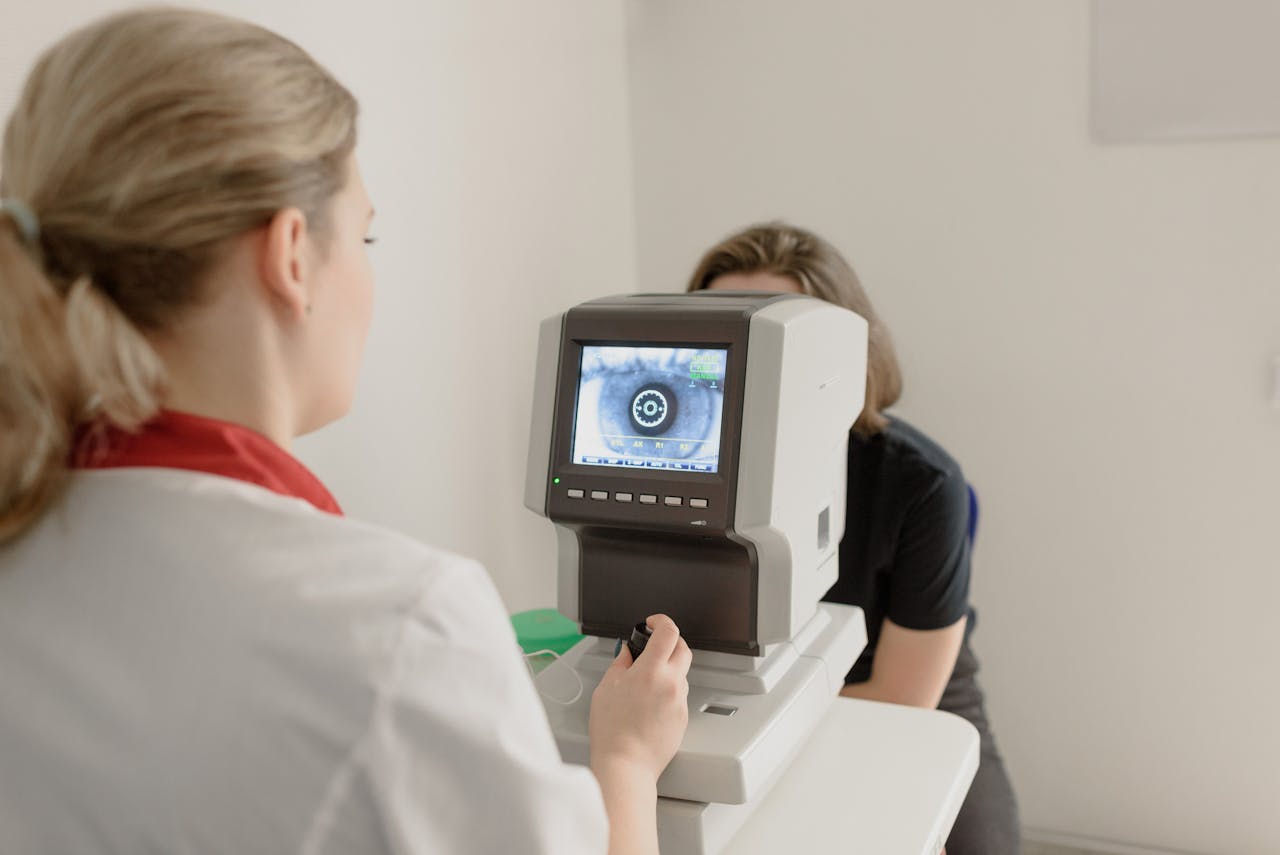
Not all offices use the same tools. Some rely on manual lenses and outdated scopes. Others run quiet machines that scan the back of the eye in seconds. That image can reveal early signs of diabetes, high blood pressure, or nerve changes that affect sight long before vision blurs.
The setting also plays a role. Clean lighting, calm colours, and patient flow make it easier to focus during exams. When a clinic feels organised, the experience feels more personal and less mechanical.
Questions That Reveal Real Quality
Most patients don’t know what to ask before booking. A few small questions can tell whether a clinic treats care like a process or a partnership.
- Technology used: Do they offer retinal imaging or visual field testing for deeper scans?
- Special programs: Can they manage dry eye, eye strain, or myopia in-house?
- Aftercare: How often do they recommend check-ins between exams?
- Insurance help: Do they guide patients through medical versus vision coverage?
- Accessibility: Are weekend or late-day visits available?
Simple details like these separate clinics that focus on volume from those that focus on people.
The Value of Early Attention
Most eye problems don’t show clear warning signs. Vision fades slowly, and people adjust without realising it. A small blur or flicker often points to something that could worsen with time. Early visits catch those issues when treatment is easiest.
Eye health also reflects overall wellness. Conditions such as thyroid imbalance or high sugar levels appear in the retina before they show symptoms elsewhere. Regular exams turn into an early alert system for the whole body.
The Challenge of Modern Work
Atlanta’s pace means screens everywhere. They could be on desks, dashboards, and phones. Hours of close-up focus strain the muscles that control eye movement. Dryness, tightness, and blurred edges follow. Many people assume it’s fatigue or age when it’s actually a routine vision problem linked to daily habits.
Clinics that track digital strain now include screen-time reviews in their exams. They suggest better lighting setups, distance breaks, and hydration habits. These small lifestyle fixes reduce discomfort more effectively than simply changing prescriptions.
Building Real Connection in Care
The best eye care doesn’t feel transactional. Patients remember when a doctor asks about their commute, the kind of work they do, or how much time they spend outdoors. Those questions shape better advice and treatment.
Trust forms through consistency. Seeing the same specialist year after year helps track subtle changes before they turn serious. The conversation stays familiar, and adjustments become easier to follow.
When that connection exists, people stick with their exams. They show up not just to fix vision but to protect it. The doctor becomes part of their wellness routine, not just another stop on a list of errands.
What Lasting Care Really Looks Like
Good vision care blends medical knowledge with attention to real life. It respects how people live, work, and see the world around them. The right clinic does more than test sight. It helps patients use their eyes comfortably every day.
That level of care stands out once you’ve experienced it. The visit feels slower, calmer, and more precise. The tests make sense. The plan feels doable.
The best eye care in Atlanta doesn’t rush. It listens, observes, and teaches. Patients leave not just with a prescription but with a clear sense of how their vision fits into their life. That difference can’t be measured by price or distance. It shows how easy the world looks afterwards.