Getting a new outfit or piece of furniture feels great. It can boost your self-esteem and make a real difference to your quality of life. But the positivity you get from shopping doesn’t have to be limited to new items.
The future of fashion is leaning heavily toward second-hand. Even furniture and refurbished electronics are becoming easier to access from used outlets. These tend to be more affordable, particularly during a cost of living crisis. Plus, focusing your purchasing on used products is a powerful tool for an environmentally and ethically sustainable lifestyle.
Let’s explore the value of second-hand living a little further.
You’re Minimising the Negative Impact of Consumerism
A society in which we have easy access to various resources can certainly be positive. Unfortunately, these conveniences of consumerism can also be negative influences. For instance, fast fashion has various consequences that are problematic on environmental, social, and ethical levels. The industry produces an enormous volume of waste during production, which is actively harmful to our planet. Manufacturing these products can also involve unsafe and unfair working conditions. Additionally, fast fashion takes revenue away from small businesses, which harms owners and the communities they serve.
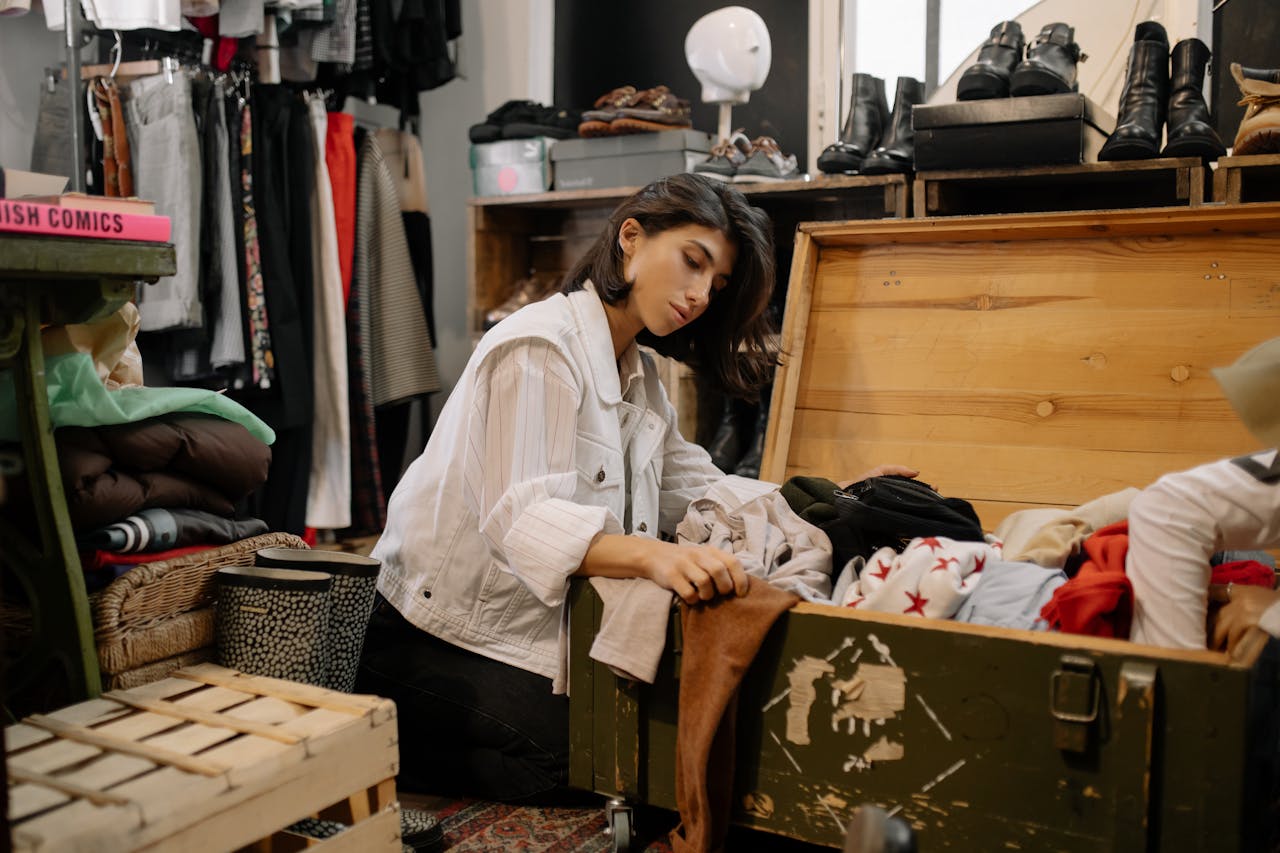
Second-hand living is a powerful way to counter many of these negative effects. By shopping for clothing in thrift stores and online used outlets, you’re playing a role in extending the lifespan of items, which boosts the overall efficiency of producing them — not to mention that you’re buying fewer items that require environmentally unfriendly methods to manufacture. One recent study found that if you buy at least half of your clothes second-hand, you can reduce your annual carbon footprint by 656 pounds. Importantly, you’re making an active choice not to invest in businesses that maintain unethical working practices.
Buying items second-hand doesn’t completely negate the damage that disposable consumerism does to our planet or society. Nevertheless, when you and others like you regularly make these more responsible choices, it can send a message to manufacturers about what consumers’ priorities are. You can also signal-boost your opinions on the subject by starting discussions on social media channels and making content about why you make the choice to purchase second-hand.
You Can Make a Difference in Others’ Lives
Second-hand living can have a positive impact on the community. In turn, it can positively impact your mental health because you’re connected to your community and you’ll boost your well-being. This isn’t just about protecting the environment or boycotting poor working conditions. Rather, engaging in used shopping can also make a direct and tangible difference to community members’ lives.
Firstly, purchasing from thrift stores and online second-hand retailers often means you’re investing in local charities. This is positive on various levels. The money you spend might directly fund projects that help those in need. Being a regular customer of these organisations also means that you’re contributing to keeping their store open and able to keep doing good in the area. Some thrift organisations also use their stores to employ members of the community who may struggle to get jobs for various reasons.
Giving is also an important part of second-hand living. Taking the time to regularly clean out your storage and donate unwanted items to organisations is a powerful philanthropic action on your part; it’s also a key part of being a great thrifter. It gives resources to charities to sell and fund their operations. It also gives a new lease of life to your unwanted objects, providing quality items for those who might find it difficult to afford new products. Importantly, you’re still contributing to a circular economy that benefits the environment more than simply disposing of old goods.
It’s worth taking a little extra time to explore where you want to donate your items, though. Some organisations will have values that are more aligned with your own than others. Perhaps there are specific types of projects that you feel are in particular need in your community at the moment. Making informed choices here can boost the positive impact your efforts have and make your donations a little more personally meaningful.
You Can Exercise Your Creative Muscles
Perhaps one of the overlooked benefits of second-hand living is it affords you the opportunity to get more creative. Not every item you purchase from a thrift or consignment store will be automatically suitable for your needs or in perfect condition. However, you can use your skills to transform these items in ways that make them better.
Some of the approaches you can take to this include:
- Upcycling furniture: Many thrift stores stock used furniture and soft furnishings. When these aren’t in good condition or don’t quite have the aesthetic you’re looking for, consider upcycling them. Sand wooden tables and give them a fresh stain, repair slightly damaged bookshelves, and give cabinets new hardware for a different aesthetic.
- Using old clothes as fabrics: You don’t need to keep clothing you purchase from thrift stores in the same style or condition. You can customise them with new buttons or dye them different colours. You can also deconstruct them and reuse the fabrics as raw materials for your own creations. Transform sweaters into winter beanies or turn old band t-shirts into vintage-style cushion covers.
Remember that your creative abilities don’t just have to serve your own fashion and home needs. You can also start a small business or side hustle reselling the items you upcycle online. This brings you a little extra income while also giving others a chance to get creatively customised items that have been made in an environmentally and ethically sustainable way.
Conclusion
Second-hand living has multiple benefits. This doesn’t mean you have to make all your purchases from thrift stores and online used outlets. However, finding ways to embrace this way of life a little more closely means you can have a greater positive impact on the planet and your community. In many ways, your success here is about patience. You’re forgoing fast access to goods for something more meaningful. Not to mention that taking the time to hunt down bargains and creative opportunities can be fun and fulfilling in itself.