If you are planning to plant new flowers and plants, then you may want to attract bees or butterflies to your garden. Pollinator populations are dropping, and they need our help. So, let’s look at the best pollinator-friendly plants for your gardens.
Importance of Pollinator Plants in Yorkshire
Yorkshire’s natural spaces need pollinator plants to thrive. These nectar-rich flowers play a crucial role in helping bee populations and butterflies survive. Without them, solitary bees, bumblebee queens, and other pollinators struggle to find food sources across the growing season. Many native species rely on these plants for survival.
Pollinator plants also benefit gardens and farms by supporting beneficial insects that control pests or help soft fruit plants bear fruit. Long-tongued bees love tubular flowers like foxgloves, while daisies attract different pollinators with their daisy-like flowers.
“Planting pollinator-friendly blooms is a great way to protect wildlife,” says Professor Dave Goulson, an expert on bee species in the UK.
Top Pollinator Plants for Bees
Bees adore plants with rich nectar and open flowers. These options thrive in sunny spots and support both honeybees and long-tongued bumblebees.
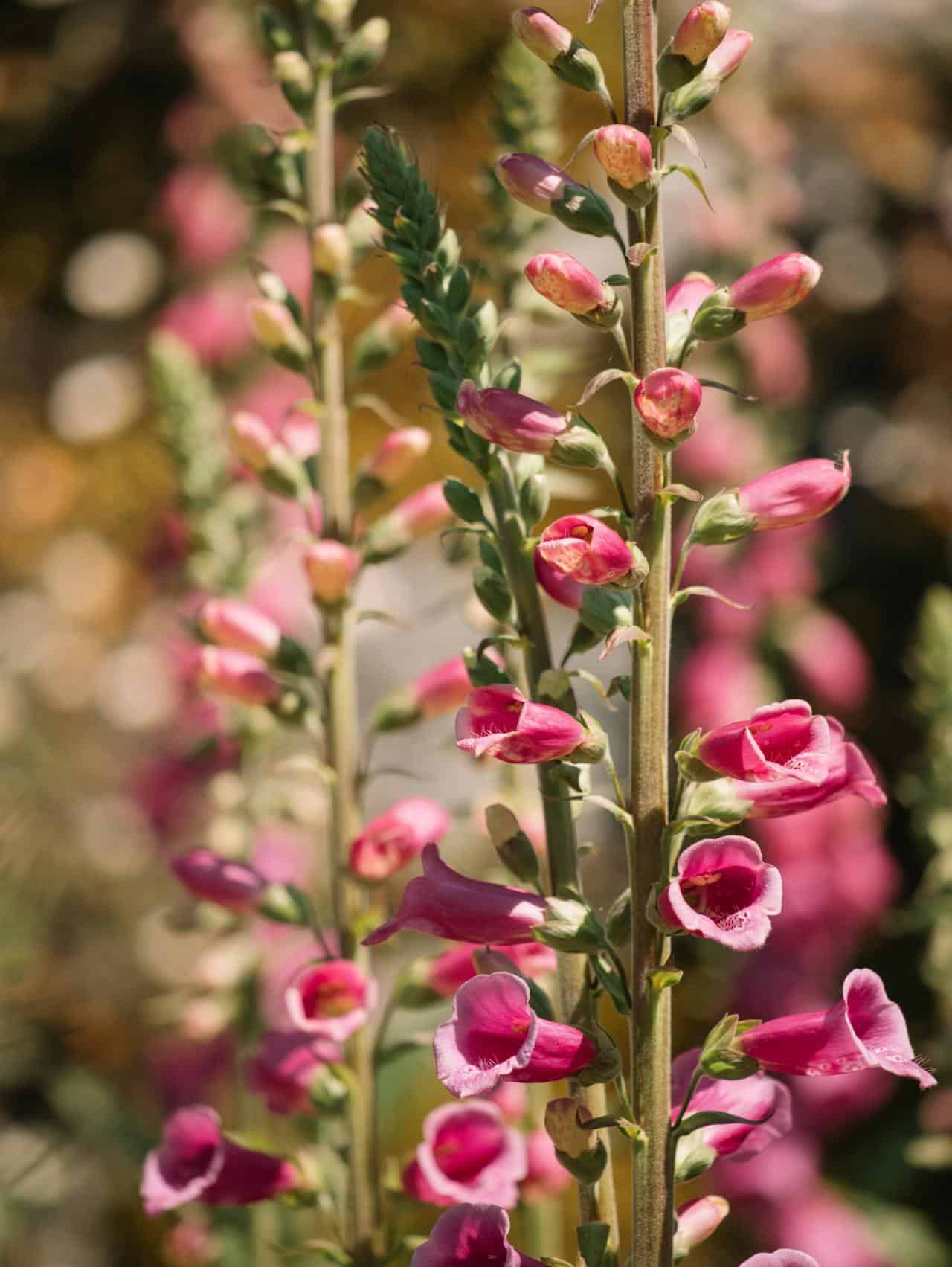
Foxglove
Foxglove is a great plant for pollinators, especially long-tongued bumblebees. Its deep flowers make it easy for these bees to gather rich nectar. Foxgloves bloom from late spring to early summer, adding a vibrant colour to any flower bed. They thrive in well-drained soil and enjoy light shade or sunny spots.
This native plant can grow tall with beautiful purple blooms or pink flowers that attract bees quickly. You’ll often find foxgloves in cottage gardens or small patches of woodland. Local garden centres usually stock them, making them an easy choice for your bee-friendly garden.
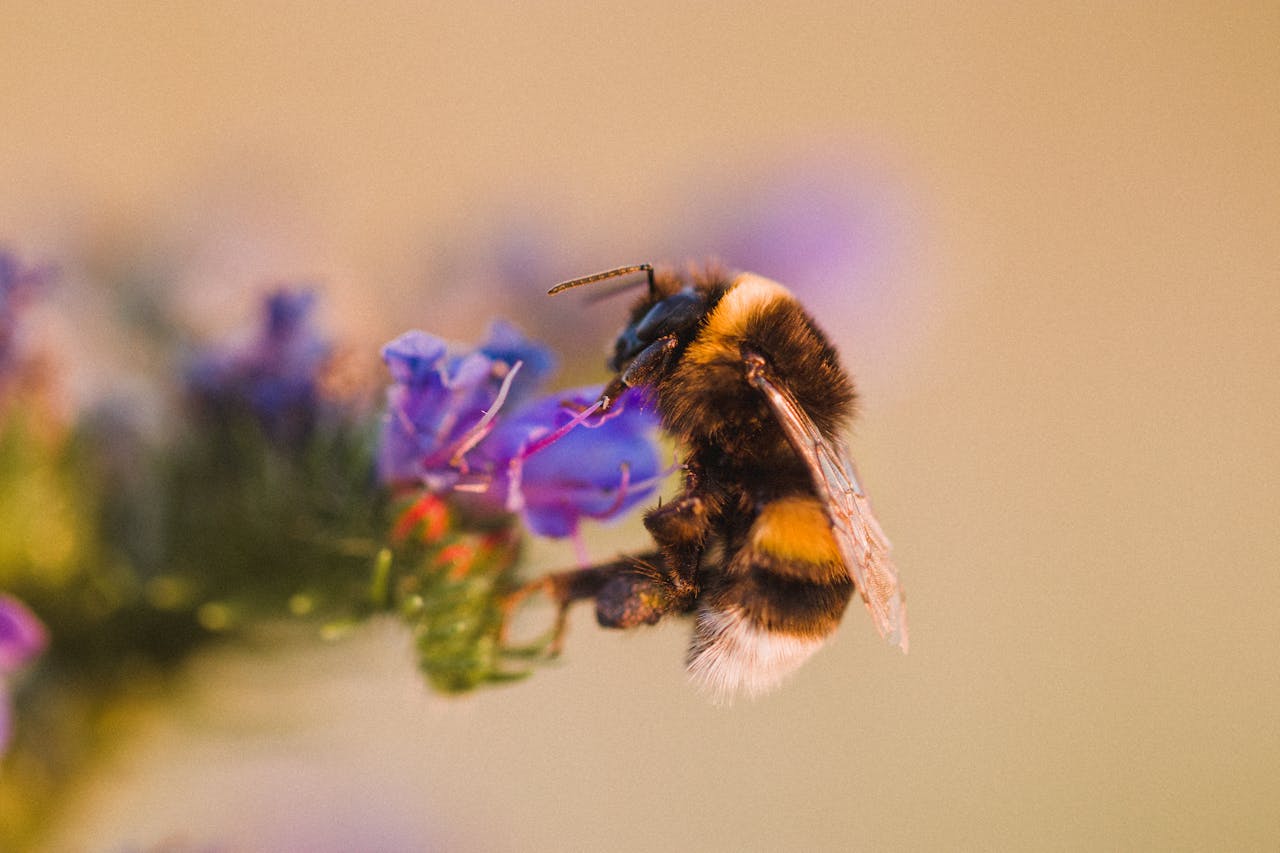
Viper’s Bugloss
Viper’s Bugloss is a great choice for bees. Its tall spikes with bright purple flowers provide rich plants full of nectar and pollen. These hardy herbaceous perennials bloom through the summer months, offering food for a long period. Bees, including mason bees and queen bumblebees, love this plant.
It thrives in sunny locations with well-drained soil conditions. A patch of Viper’s Bugloss adds vibrant colour to any pollinator garden while supporting small mammals too. As it blooms at different times, it keeps your outdoor space buzzing throughout the flowering season!
Common Knapweed
Common knapweed is a great choice for pollinators. It belongs to the daisy family and thrives in full sun. This native plant blooms from early summer to late summer, offering vital sources of nectar for bees and butterflies.
Its bright purple flowers attract a variety of pollinators. These perennial plants are hardy and easy to grow in small spaces or larger gardens. To create the best possible start, plant them where they have room to spread.
Top Pollinator Plants for Butterflies
Butterflies love certain flowers, and these can fill your garden with colour and life—read on to find out the best picks!
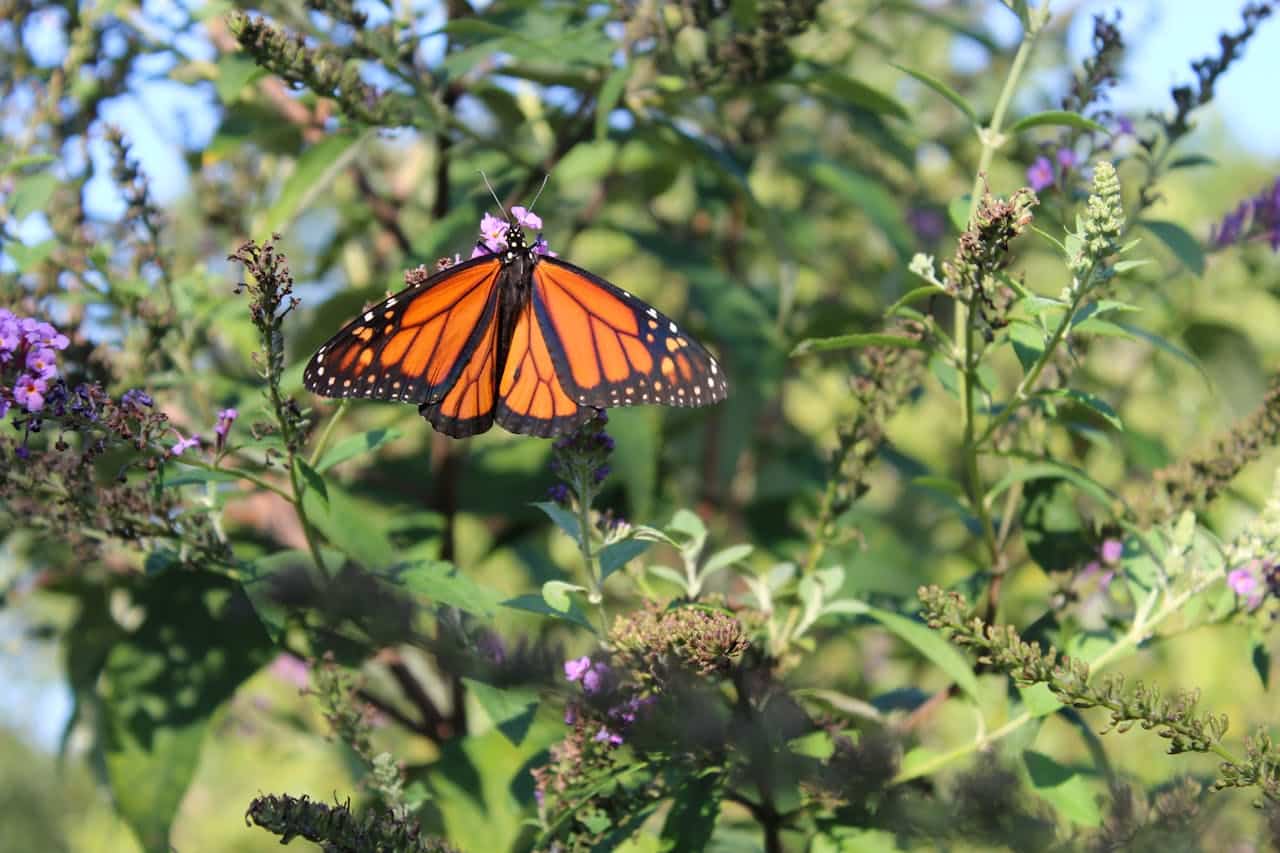
Buddleia (Butterfly Bush)
Buddleia, often called the butterfly bush, is a magnet for butterflies and bees. Its bright blooms in shades like purple, pink, white, or yellow stand out during late summer. These flowers release a lovely scent that pollinators love. It’s one of the very best plants to attract winged visitors to your garden.
This shrub thrives in sunny spots and well-drained soil. It grows quickly and can reach up to 3 metres tall, making it ideal as a garden centrepiece or backdrop. Cutting back dead flowers helps encourage fresh growth each year.
Planting Buddleia is an easy way to create beauty while supporting vital pollinators!
Hemp Agrimony
This is a pond plant that grows near water sources. It has clusters of pale pink to white flowers, which bloom from late summer to early autumn. These single flowers attract butterflies like the Red Admiral and bees looking for nectar.
Hemp agrimony thrives in damp soil and shady spots. It grows up to 1.5 metres tall, making it perfect for adding height in small gardens or borders. Use it with other native plants to create a variety of colours that pollinators enjoy.
Primrose
Primrose is a fantastic choice for pollinators. Its bright yellow petals bloom in early spring and late winter, providing vital food sources when other plants are scarce. Bees and butterflies love its sweet nectar.
It works well as ground cover in gardens with damp soil. These small plants thrive in shaded areas too, making them versatile additions to any space. Choose single flowers over double flowers to attract more pollinators easily!
Tips for Creating a Pollinator-Friendly Garden
Creating a garden for bees and butterflies is simple. Follow these easy steps to make your outdoor space buzz with life:
- Plant different flowers with varied shapes, colours, and flowering seasons. Bees love annual bedding plants like Giant Hyssop or Bee Balm. Butterflies prefer host plants like Primrose or Hemp Agrimony.
- Use single flowers instead of doubles. Single flowers are the most attractive plants because they offer more nectar and pollen.
- Add a bee hotel for nesting sites. These are great to help solitary bees that don’t live in hives.
- Avoid using chemicals on your plants. Pesticides can harm pollinators looking for food in your garden.
- Include water sources by placing shallow bowls with pebbles filled with water. Pollinators need hydration too!
Conclusion
A garden full of pollinator plants buzzes with life. Bees and butterflies need these flowers to thrive, especially in Yorkshire’s changing seasons. By planting favourites like foxglove or buddleia, you help nature bloom.
Your efforts create a haven for wildlife—it makes such a difference! Pick the right plants, and watch your garden come alive.