If you’ve ever postponed a dental appointment or delayed treatment because you felt nervous or jittery, you’re not alone. Dental anxiety is common, and it affects people of all ages.
For some, the fear comes from a difficult past experience, perhaps in childhood. For others, it’s simply the uncertainty of not knowing what will happen once they sit in the chair. The reassuring part is that dentistry today looks and feels very different from what many people remember.
Over the past decade, advances in technology, improved communication and a much stronger focus on patient comfort have changed how appointments feel. Modern practices now prioritise not only clinical outcomes, but also how supported and informed you feel throughout your visit and during any aftercare.
At patient-first practices such as Feel Good Dental in Croydon, creating a calm and welcoming environment is considered just as important as clinical expertise. The understanding is simple. When patients feel relaxed, listened to and in control, looking after their oral health becomes far more manageable in the long term.
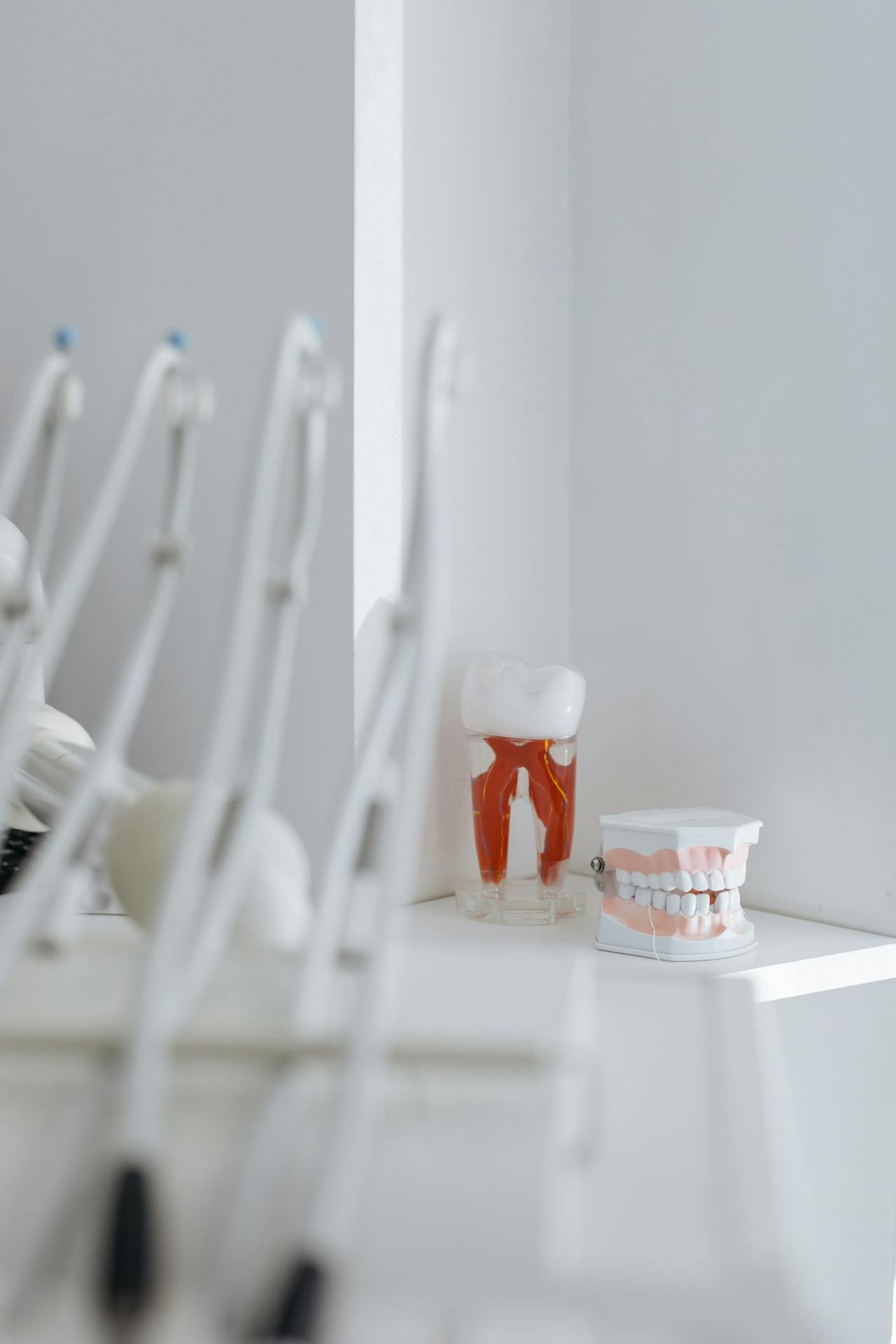
Why dental visits often feel different today
Years ago, dental procedures relied more heavily on manual techniques and larger, noisier equipment. Patients were sometimes given limited explanation about what was happening or why.
Today, the approach is far more collaborative. You are encouraged to ask questions. Treatment options are explained clearly. Appointments are structured so you do not feel rushed. Many practices also offer longer consultation visits for patients who feel anxious.
Technology that supports precision and comfort
Modern dental technology allows dentists to diagnose and treat conditions with greater accuracy. In many cases, this supports more efficient and carefully planned care.
Digital X-rays and 3D imaging
Digital radiography provides high-quality images quickly and uses lower radiation levels than traditional film systems. Three-dimensional scans allow dentists to plan treatments in detail before starting, supporting clearer conversations and careful preparation. When you understand what is happening and why, appointments often feel less daunting.
Digital impression scanners are also commonly used for orthodontic treatments. So whether you’re exploring options such as Invisalign in Croydon or elsewhere, these digital scans capture a detailed 3D image of your teeth without traditional moulds, which many patients prefer.
Laser dentistry
Laser technology is used in some gum treatments and minor soft tissue procedures. In suitable cases, lasers allow precise work with minimal impact on surrounding areas. Not every patient or procedure requires this approach, and your dentist will always discuss what is appropriate for your individual situation.
Computer-assisted local anaesthetic delivery
Modern systems allow local anaesthetic to be delivered in a steady, controlled way. Many patients report this feels more comfortable than older methods. You will always receive an explanation before anaesthetic is given, and you remain fully aware and able to communicate.
Intraoral cameras
Small intraoral cameras allow you to see detailed images of your teeth on a screen. Rather than relying on verbal descriptions alone, you can see the area being discussed. This transparency often helps patients feel more involved and confident in their decisions.
Sedation options for nervous patients
For some people, additional support makes a meaningful difference. Inhalation sedation, sometimes referred to as relative analgesia, involves breathing a carefully controlled mixture of nitrous oxide and oxygen. This may help you feel more relaxed during treatment while remaining conscious and responsive.
Other forms of conscious sedation may be offered depending on your medical history and the treatment required. A full assessment is always carried out beforehand to ensure suitability. Sedation is provided by appropriately trained professionals and follows current clinical guidelines.
Smaller details that make a difference
Not all improvements are headline technologies. Many smaller changes in equipment and environment contribute to a more comfortable experience, for example:
- Electric handpieces often produce less vibration and noise than older drills
- Ultrasonic scalers allow efficient plaque removal with gentle pressure
- Digital scanners replace traditional impression materials for many treatments
Individually, these updates may seem minor. Together, they contribute to improving how appointments feel.
The human element still matters most
Technology plays an important role in making treatment more comfortable, but it will never replace kindness and empathy.
A calm voice, clear explanations in plain English and agreeing on some simple stop signals so you know you’re in control can make a real difference when you’re feeling anxious. When appointments feel unhurried, and you’re given space to ask questions, it’s much easier to relax and feel supported.
You should never feel judged for postponing treatment or worried about what your dentist might think. Modern dentistry understands that everyone moves at their own pace, and that feeling safe is just as important as feeling informed.
Taking the first step
If dental visits have felt stressful in the past – for you, or a family member – consider starting with a simple conversation. You don’t need to commit to treatment straight away. Meeting the team, seeing the environment and talking openly about your concerns can make a meaningful difference.
Modern dentistry is designed around people, not just procedures. With clear explanations, supportive care and advances in technology, appointments today often feel calmer and more manageable than many expect. Looking after your smile is part of looking after your overall health, and with the right support, dental care can feel reassuring and positive for you and your family.
Why not speak to your local dentist about how they support nervous patients and families? A short conversation may be all it takes to help you feel more confident about your next visit.