In the darkest months of the year, when frost lingers and garden growth slows, it’s tempting to leave the outdoor space untouched until spring. But with a few thoughtful tasks and the right garden tools, you can keep your garden healthy and give it a head start for the growing season to come. From clearing winter debris to maintaining paths and structures, mid-winter is an opportunity to look after what matters most.
What’s Worth Doing Now: Keep It Simple and Supportive
One of the most useful mid-winter jobs is simply keeping outdoor spaces tidy and safe. Leaves, fallen branches and winter debris can trap moisture against lawn edges, paving stones and low plants. A good rake and a pair of pruning shears are excellent for clearing damp leaf litter, helping air circulate around vulnerable plant crowns and reducing the chances of rot. Keeping paths free of debris also makes moving around the garden easier.
Maintaining clean, clear surfaces isn’t just about looks; it’s about health and safety too. Moss and algae can become slippery in winter, particularly on stone or decking. A light brush-off with a stiff broom or a mild pressure washer setup will reduce the risk of slips and falls. Tools like a garden strimmer, when fitted with the right trimming head, help tidy up edges and clear overgrown grass or weeds that have popped up in milder spells.
Another worthwhile task is checking protective structures such as fences, trellises and cold frames. Winter winds and rain can weaken supports. Simple repairs with a hammer and screws go a long way toward protecting borders and climbing plants later in the year. Likewise, clearing out gutters and drains around garden sheds prevents blockages that can lead to water pooling or damp issues.
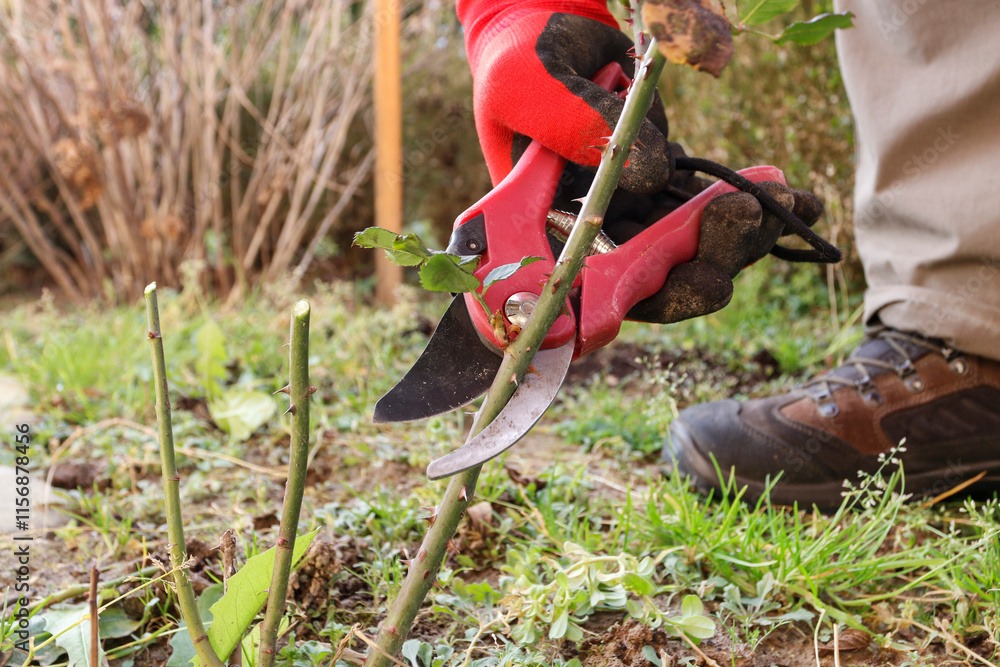
Plant care remains gentle but meaningful at this time of year. Hardy perennials, shrubs and trees benefit from a light tidy-up of dead or damaged growth. Hand pruners and loppers are ideal for this, keeping cuts clean and helping plants focus energy on healthy parts. It’s also a great moment to inspect for signs of pests or disease, so you’re not caught off-guard when spring arrives. Growth is minimal in mid-winter, and heavy cutting can do more harm than good.
Finally, maintain your garden tools. Winter is an ideal time to sharpen blades, clean dirt from handles, and lightly oil metal parts to prevent rust. A well-cared-for toolset makes every job smoother when spring returns.
Garden Tasks You Can Safely Postpone
While mid-winter has its opportunities, there are plenty of jobs that are better left until conditions improve. Knowing what not to do is just as important as knowing what to tackle.
Heavy soil work, like digging or turning compost, should wait until the soil is firmer to avoid compaction. Similarly, planting tender flowers and vegetables is better after the risk of frost passes, though hardy bulbs and bareroot shrubs can be planted carefully.
Intensive lawn care, such as aeration or reseeding, and pruning springflowering shrubs should also be postponed to prevent damage and preserve buds.
Lastly, resist the urge to pressure wash hard landscaping during freezing conditions. Icy surfaces can be made more slippery by water, and sudden temperature changes can sometimes harm porous stonework. Mild brushing and clearing are safe alternatives until the weather is stable.
How to Enjoy Your Garden Even in the Depths of Winter
Just because growth slows doesn’t mean your garden can’t be a source of joy and calm through winter. In fact, the quieter months offer a different kind of beauty and an ideal moment to reconnect with your space in a low-pressure way, whether you’re enjoying it as part of your regular gardening hobby or simply appreciating the outdoors.
Start by taking stock of your tools and gear. Use indoor time to check that handles are solid, blades are sharp and storage areas are organised logically. A simple tidy of your tool shed makes spring tasks far easier. Taking care of garden tools now means they’re ready and reliable when the garden truly wakes up.
Winter is also a terrific period for planning and dreaming. Think about new features you’d like next year: a vegetable patch, a wildflower border or a seating area overlooking the lawn. Sketching out ideas, researching plant varieties and making lists of supplies will give your spring projects a great head start.
For now, embrace what your garden offers in its quieter state. Winter berries on shrubs, structural stems of perennial grasses and the architectural shapes of bare branches can be beautiful. Bird feeders and a shallow water dish will attract wildlife, giving your garden life even when flowers are scarce.
Finally, remember that gardens don’t always need action. A warm drink in a cosy coat while you breathe in the winter air, notice subtle changes and simply appreciate the possibilities ahead is a perfectly valid way to enjoy your outdoor space.
Mid-winter garden care is about striking a balance. There are useful, low-impact tasks that support plant health and garden safety, and there are sensible jobs that are better left until the weather warms. With the right garden tools to hand, a gentle approach and a bit of planning, you can keep your garden tidy, protected and ready for growth.