ad. The evenings are drawing in, the weather is turning, and I can already tell that a lot of our weekends are going to be spent indoors. My son is almost six and full of ideas, and he does his best playing when he is left to bring them to life himself. So over the next few weekends, and during half term, I’m planning to try something a little different: set a few toys out on the living room floor, say very little, and let him decide what happens next.
This all comes after a big clear out. I’ve just been through his bedroom and the living room, organised everything, and got rid of loads of things he doesn’t play with. He had built up so many odds and ends that never got used, and I only wanted to keep the toys he really enjoys and the ones that get his creativity going. I also needed to make room for his birthday next month and for Christmas, so I’m aiming for toys that are minimal but meaningful.
What’s left is a small collection I’m looking forward to trying, so here is how I’m planning to use it, in case you are looking for ideas for your own wet weekends.
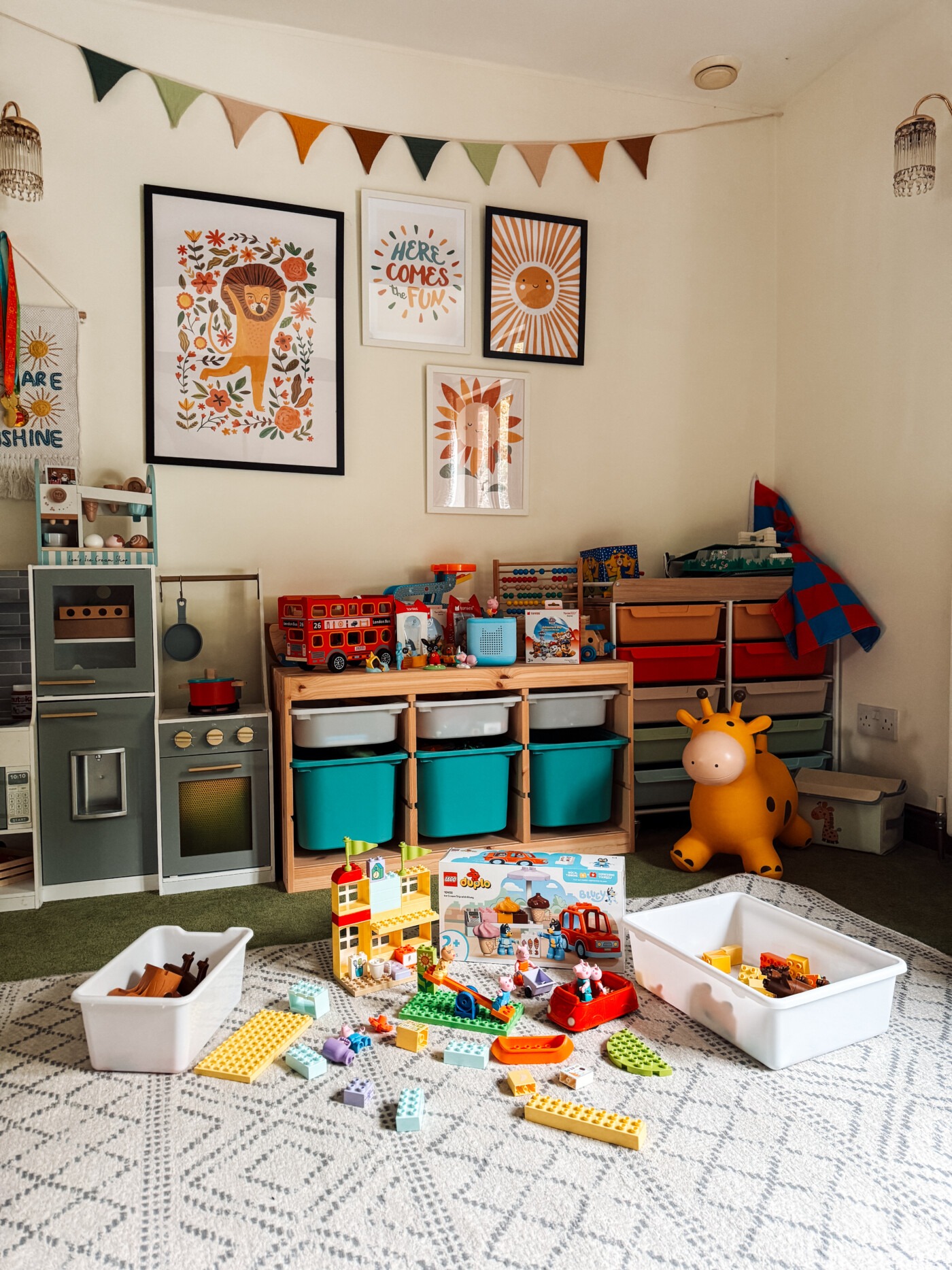
Building: DUPLO, Bluey and Peppa Pig
First on the list is the LEGO DUPLO Bluey Ice Cream Trip. We have collected loads of DUPLO sets over the past few years, and he plays with them in two different ways. Some days he likes to follow the instructions and build a set exactly as it is meant to look. Other days he ignores the instructions completely and makes his own mega buildings, using every brick he can find. I think the Bluey set will suit both, and I also have a couple of Peppa Pig sets, so I’m curious to see whether he keeps them separate or mixes them together.
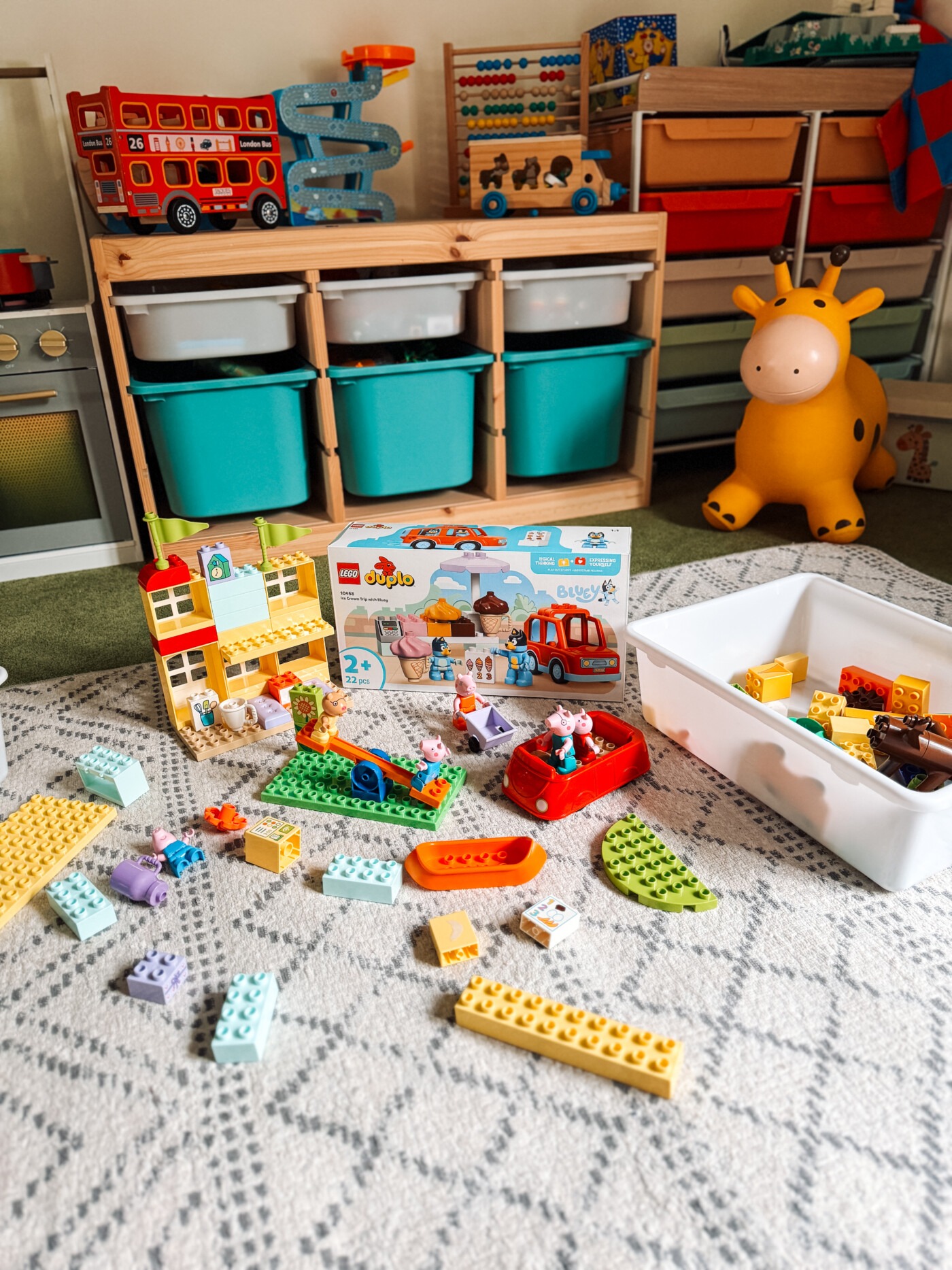

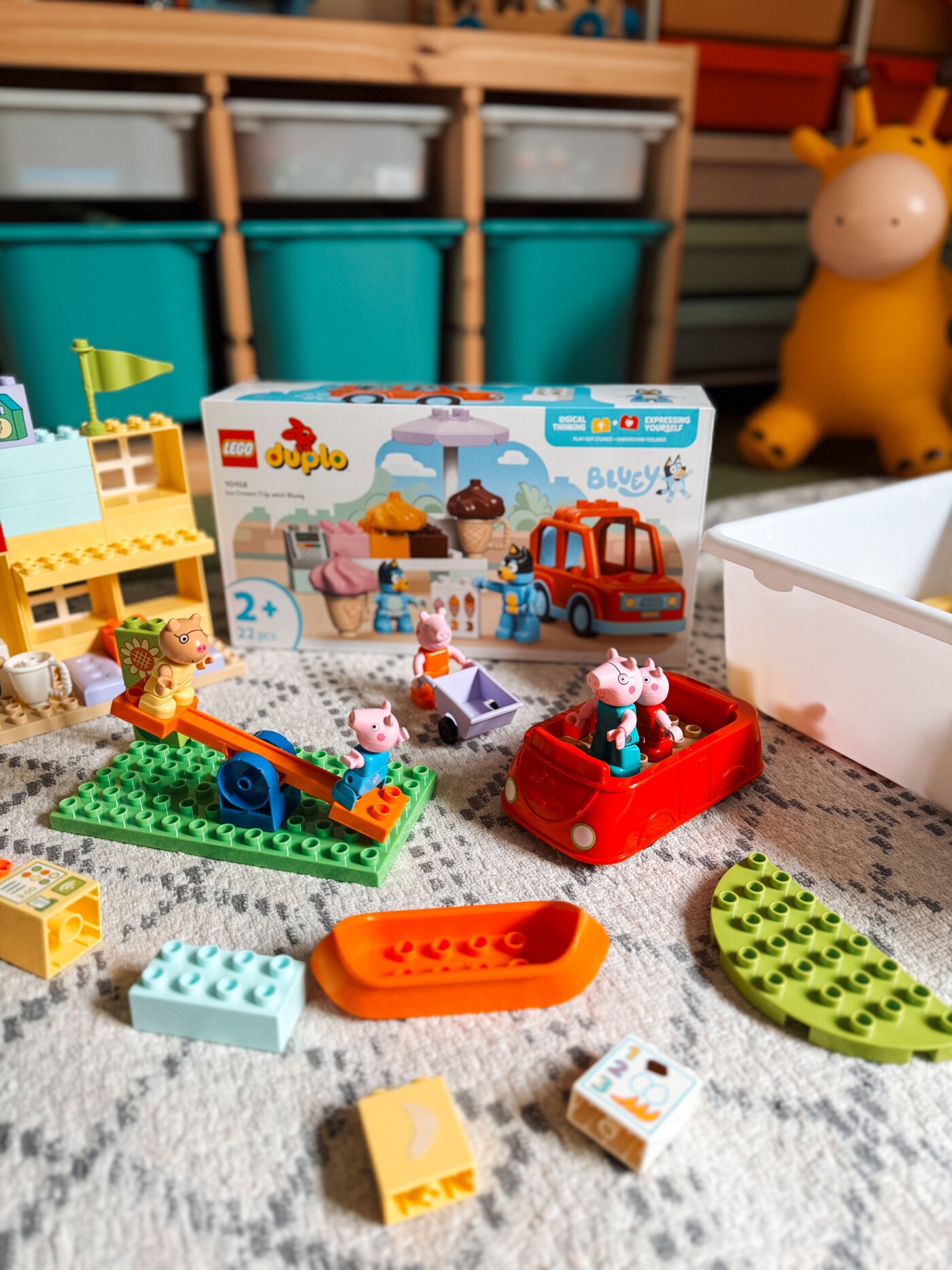
I’m hoping for the second. Combining sets turns a single build into a whole world, with a shop, a road and a queue of characters waiting to be served. Fitting pieces together, working out what needs to sit under what, and balancing a wobbly roof are all good practice for hand-eye coordination and problem solving, although I doubt he will see it that way. Deciding who lives where and what the shop sells is where the creativity comes in, and there is a sensory side too, from the click of the bricks going together to sorting them by colour and feel. If you are looking at building blocks for a child around this age, sets that combine well with ones you already own tend to keep the play going for longer.
Experimenting: the Fizzy Volcano
Next is the Learning Resources Fizzy Volcano Preschool Science Lab. I think it is going to be so much fun on a wet weekend, because it is really hands-on. He gets to measure, pour and stir, then watch the fizz bubble up and over, listen to it hiss and see the colours change. At his age he should be able to follow the steps himself, which he loves, so I’m planning to keep a towel nearby and let him do the measuring, the pouring and the predicting. It feels like a good Sunday morning activity, when we have a bit more time and don’t mind a mess.
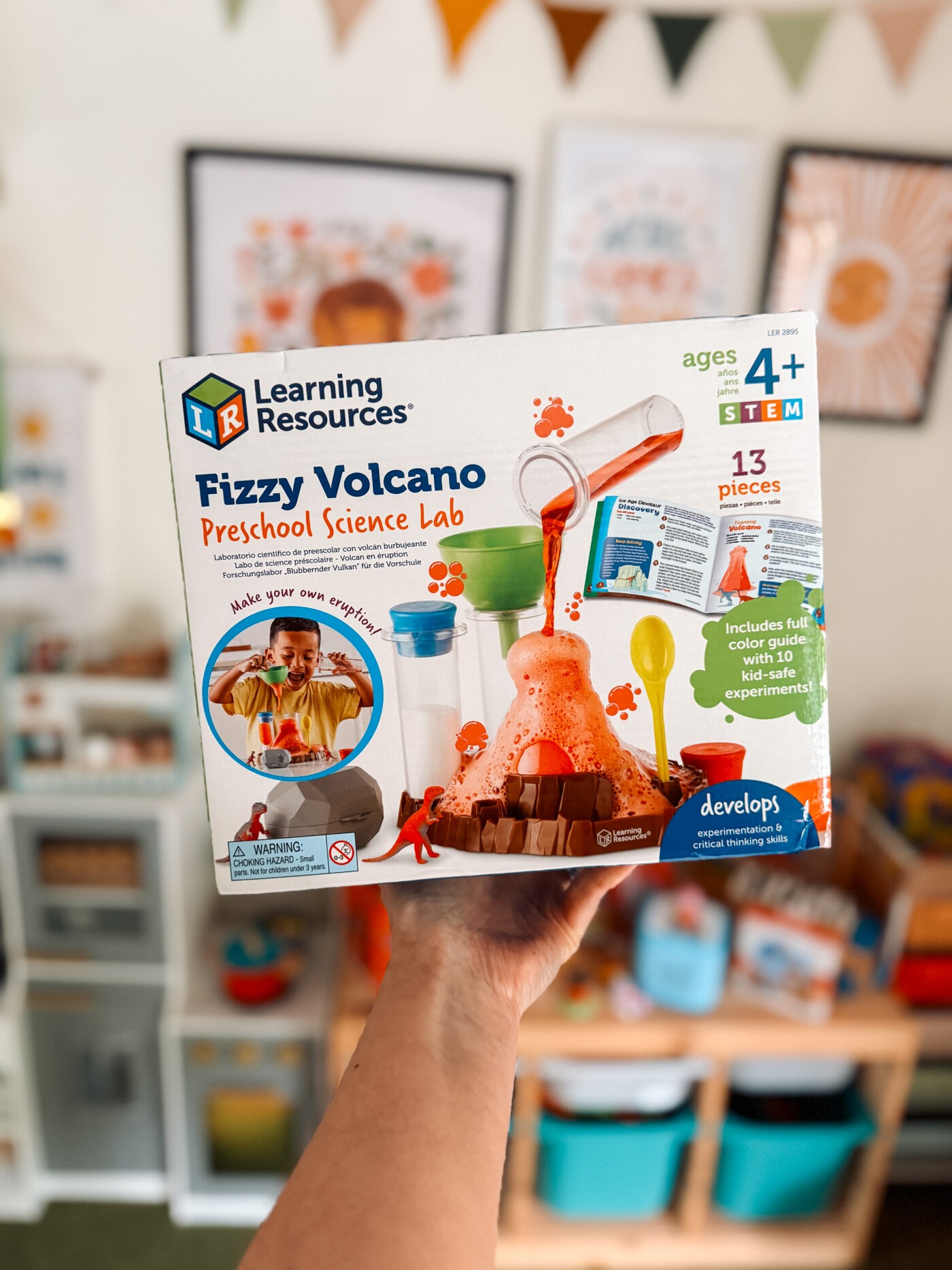
What I’m most looking forward to are the questions it should start. What happens if we add more? Why did it change colour? Can we do it again? Sensory toys like this give children something to touch, pour, watch, listen to and talk about, and every one of those feeds problem solving and curiosity, even though all he will notice is how good the fizz looks.

Imagining: Tonies and Paw Patrol
For quieter moments, we have the Bluey Toniebox 2, the Tonieplay Paw Patrol Rescue Heroes set and a Woody Tonie from Toy Story. The new Tonies will sit alongside the ones we already own, so they should slot straight into his routine. I’m planning to save these for the end of the day, when he has finished building and wants to wind down. My guess is that the Paw Patrol pups will end up on a rescue mission around the DUPLO town while a story plays in the background, so the building provides the setting and the stories provide the characters. Listening to a story while he plays is good for his listening skills and his imagination, and having figures to hold and move around gives him something to act the story out with.
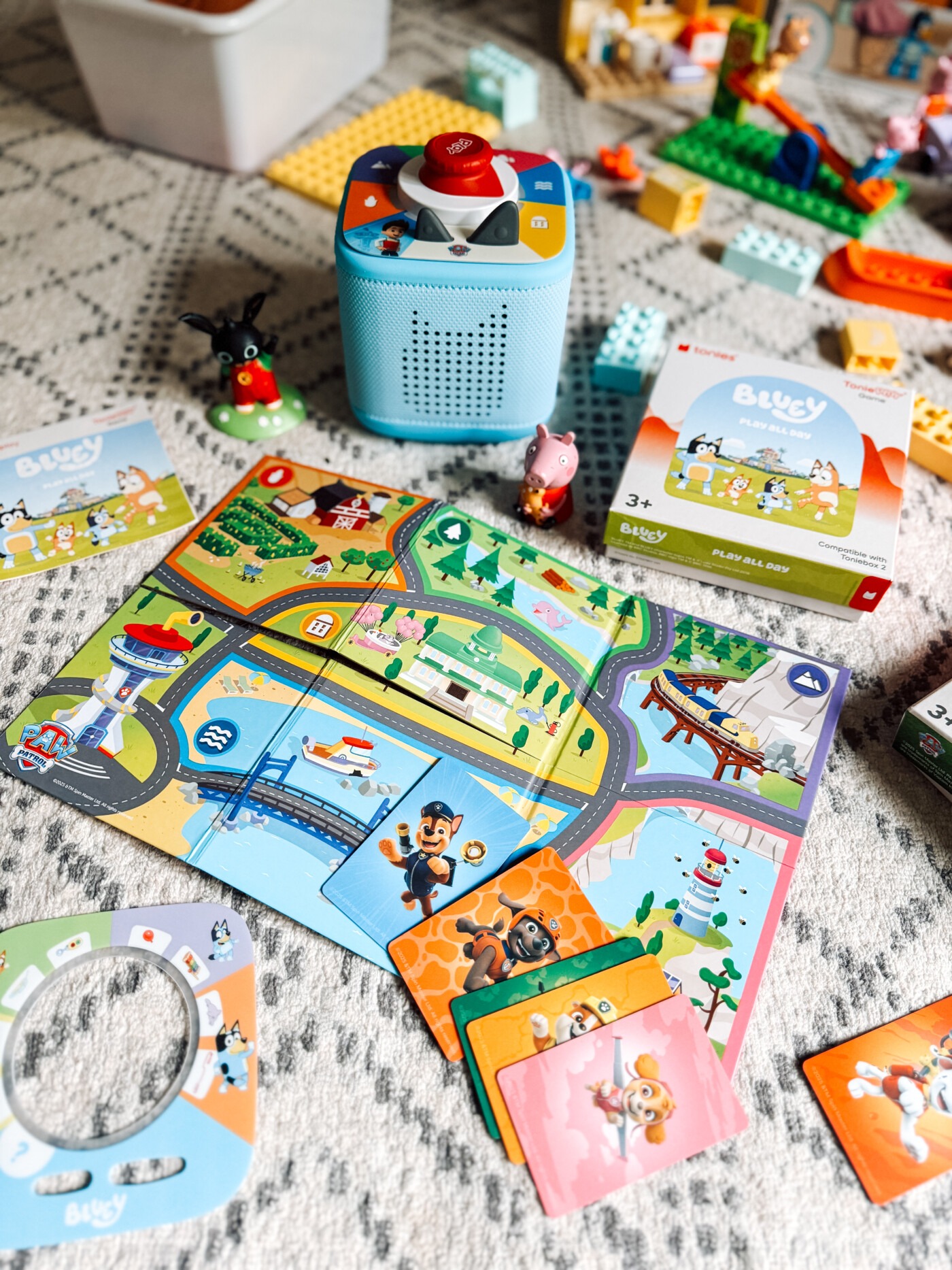

What I’m hoping to see
The hardest part for me will be stepping back. My instinct is to suggest things, show him how a piece fits or tidy up as we go, so I’m going to try sitting on the sofa with a cup of tea and watching what he does instead. I’ll be curious to see which toy he goes to first, what he decides to combine, and how long he stays with each one.
Open-ended play like this builds skills without ever feeling like learning. Deciding what to make, changing his mind halfway through and working out why a tower keeps falling over all help with problem solving, creativity and confidence.
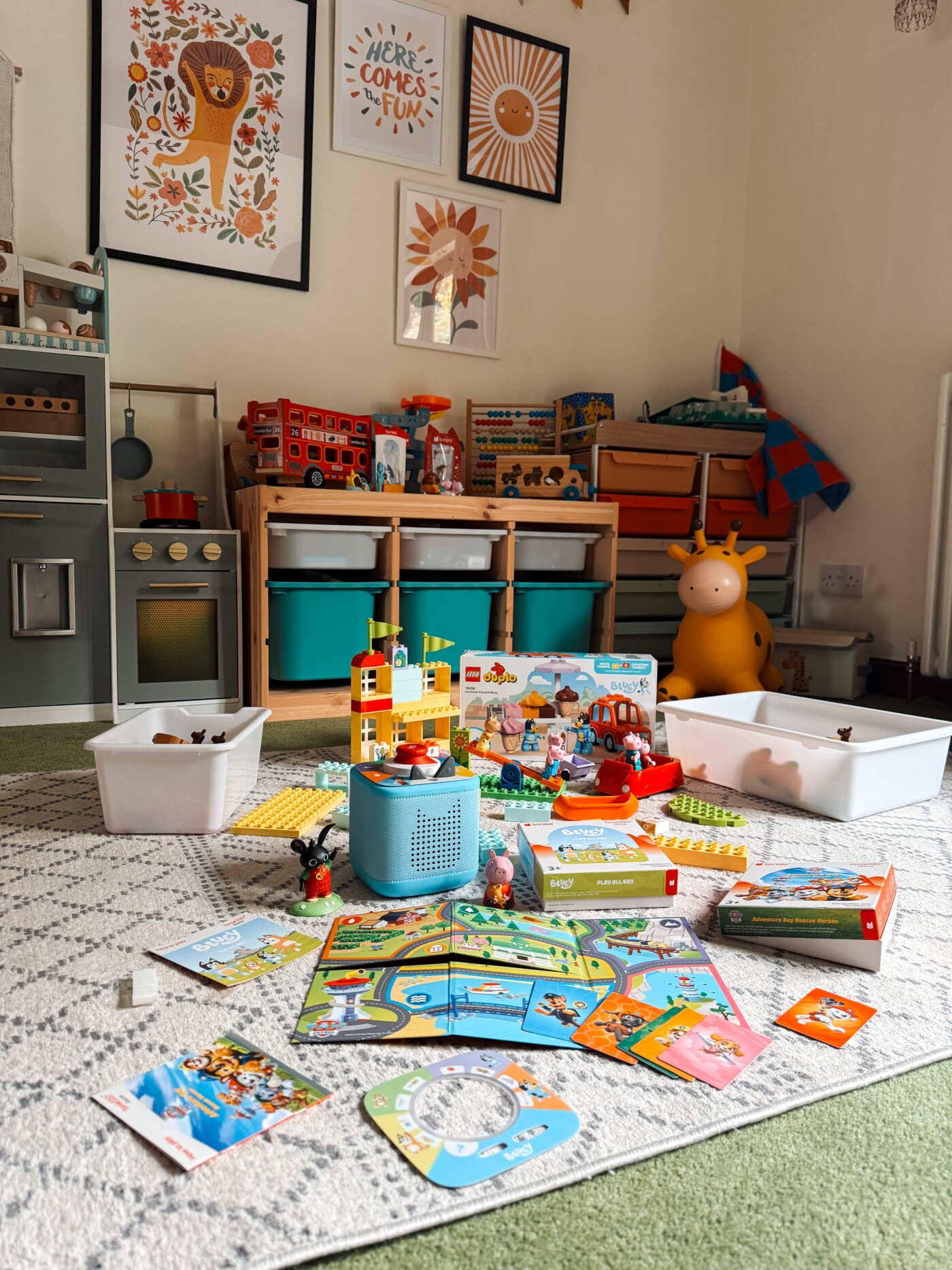
With Christmas not far away, it is also making me think about presents. I’m drawn to toys that can be played with in lots of different ways, because those are the ones that tend to come out again and again. If you are starting to plan ahead, Very has a good round-up of Christmas toys that is worth a look.
Do your children prefer a plan for playtime, or do they do better when you leave them to it?