Great residential outdoor design balances eye-catching four-season color with smart drainage and low-maintenance plant selections so you spend more time enjoying your yard than weeding it. When your weekend schedule fills up fast, fighting aggressive turfgrass or soggy flower beds turns yard ownership into a chore.
Bringing together proper grading, hardy native species, and crisp hardscape borders transforms both your home’s curb appeal and its everyday usability. By building a cohesive plan from the ground up, you can create an inviting exterior that thrives with minimal upkeep.
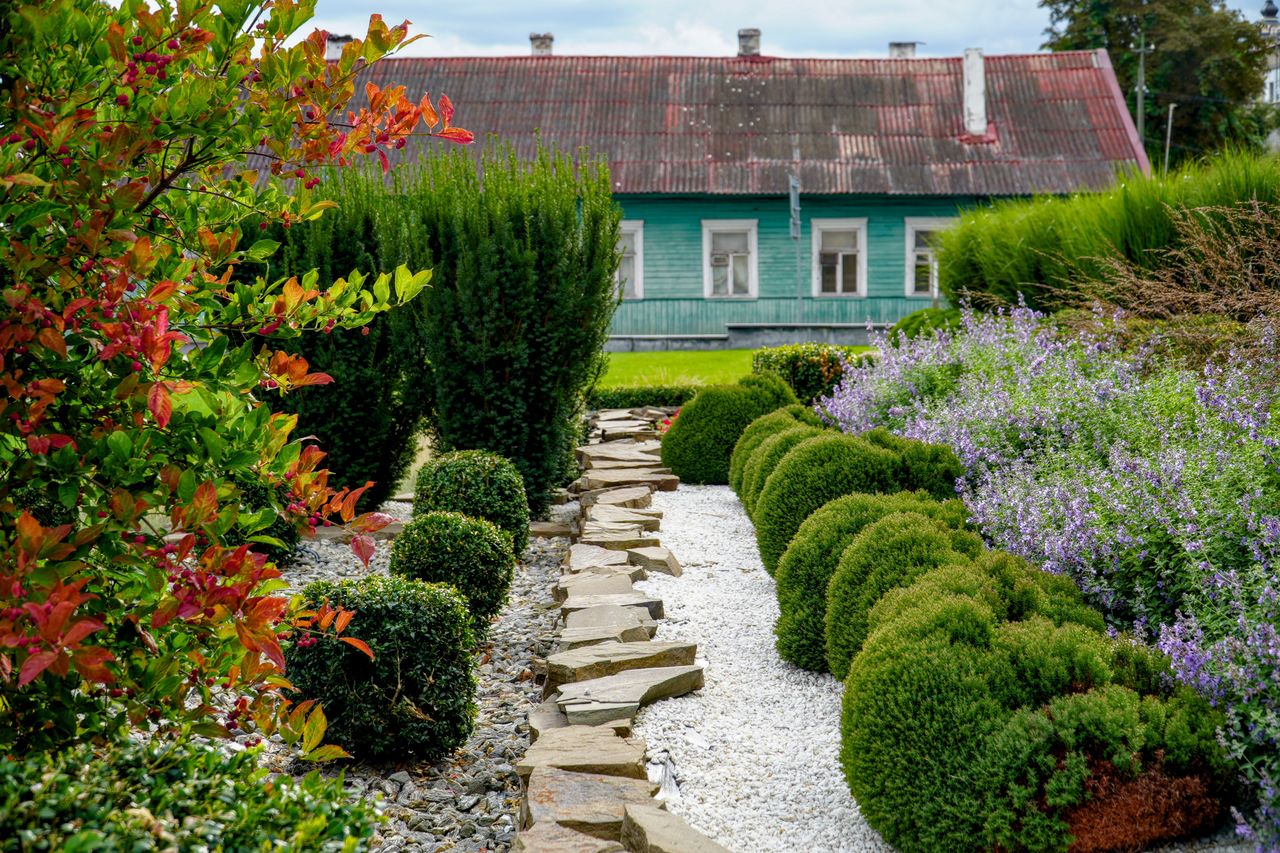
Why Should You Start With Native Plants and Tiered Beds?
Choosing plants adapted to your local climate takes the guesswork out of seasonal upkeep. Native perennials and ornamental grasses develop deep root systems that naturally resist drought, local pests, and sudden temperature swings. According to Sunrise Landscape, interest in climate-adapted and native plant varieties jumped by 78% among surveyed professionals at the ASLA 2025 Residential Trends Survey as property owners seek sustainable outdoor spaces.
Arranging these resilient plants in distinct tiers gives your beds instant architectural depth. Place taller shrubs at the back near your foundation or fence line, fill the middle tier with mid-sized blooming perennials, and tuck low-growing groundcovers along the front edge. This layered structure crowds out opportunistic weeds by shading the bare soil underneath.
How Do Clean Stone or Steel Borders Cut Down on Maintenance?
Crisp physical edging separates your planted beds from surrounding turfgrass so lawn roots cannot creep into your mulch. When you partner with experienced design-build teams like BMA Landscaping, you can align durable stonework, proper yard grading, and thriving plant selections into one seamless blueprint. Installing mortared natural stone, heavy-gauge steel, or concrete curbing eliminates the need to re-cut trench edges every spring with a spade.
- Block creeping turfgrass: Deep-set steel or stone barriers stop rhizomes from invading your perennial roots and stealing soil nutrients.
- Contain heavy mulch: Raised stone borders keep bark mulch from washing onto your driveway or lawn during heavy summer downpours.
- Simplify weekly mowing: Flat-topped stone edging creates a clean mowing strip so your mower wheels glide right along the border without leaving stray grass tufts behind.
What Solves Standing Water and Yard Erosion?
Heavy rainstorms quickly expose flaws in how water moves across your property. Left unchecked, pooling water drowns perennial roots, erodes topsoil, and threatens your home’s basement walls. Fixing water flow before installing new stone borders or expensive plants protects your investment for decades.
When flat terrain or heavy clay soil traps rainwater in low spots, a French drain offers an invisible underground fix. Contractors dig a sloped trench, line it with permeable fabric, and lay a perforated pipe surrounded by washed gravel to redirect groundwater safely away from patchy shade areas and soggy lawns.
How Can You Turn Shady Spots Into Lush Garden Zones?
Small, patchy grass under mature trees often frustrates homeowners who keep reseeding the same bare dirt every spring. Tree canopies block direct sunlight while their shallow roots compete fiercely for moisture and nutrients. Replacing struggling turf in deep shade with woodland perennials turns a problem area into a serene focal point.
Hostas, ferns, hellebores, and coral bells thrive in dappled light without constant watering. Top-dressing these shade beds with shredded leaf compost mimics a natural forest floor, slowly feeding the soil while keeping roots cool during July heatwaves.
Does Low-Voltage Lighting Really Improve Safety and Curb Appeal?
Thoughtfully placed outdoor lighting extends the hours you can enjoy your yard after sunset while guiding guests safely along walkways. Low-voltage LED systems operate on a safe 12-volt transformer, consuming a fraction of the electricity required by older halogen fixtures.
Warm-toned path lights spaced evenly along stone borders prevent tripping hazards on steps and uneven pavers. Aiming narrow-beam spotlights upward into multi-stemmed trees or across textured stone walls casts dramatic evening shadows that make your entire property feel larger.
Routine seasonal care keeps your outdoor illumination performing at peak brightness year-round. Data from Lutou Tech shows that dirt buildup and water stains on low-voltage LED lenses can cut light output by up to 30%, so wiping down glass covers every few months protects your nighttime visibility.
How Do You Maintain a Low-Work Yard Through Every Season?
Once your grading, hardscape borders, and native plantings settle in, your annual yard checklist shrinks dramatically. A two-inch layer of organic mulch applied each spring locks in soil moisture and suppresses stray weed seeds before they sprout.
In late autumn, leave dried ornamental grasses and seed-bearing perennial stalks standing to add winter texture and shelter beneficial insects. Cut those dormant stems back in early spring just before new green shoots emerge, giving your garden a clean slate with just one afternoon of pruning.
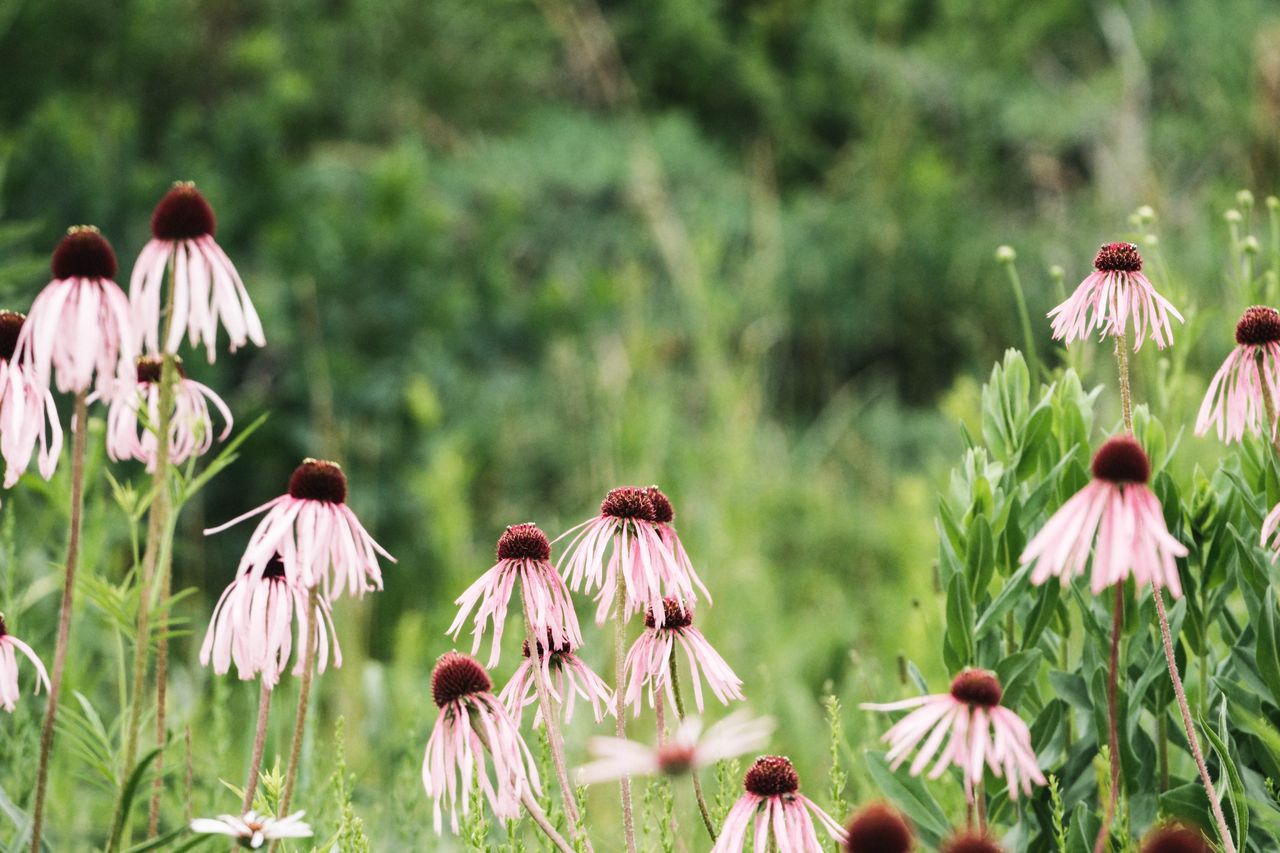
Combining smart yard drainage, durable stone or steel edging, and climate-adapted perennial beds takes the stress out of exterior home care. Your property gains lasting structure and year-round color while freeing up your weekends for relaxing outdoors.