Has hip pain started shaping your routine and limiting the things you enjoy? If so, hip replacement surgery may have appeared during your search for lasting relief. Many people in Los Angeles speak about moving freely again after the surgery. Others describe rediscovering hobbies they thought were behind them. It is normal to feel both hopeful and unsure. Does it work as well as people say? Is it a safe path? Could it fit your life?
Take a breath and stay awhile. This article breaks down what hip replacement involves, how it can reshape daily comfort, and what recovery looks like, helping you decide if this step feels right for you.
Read on!
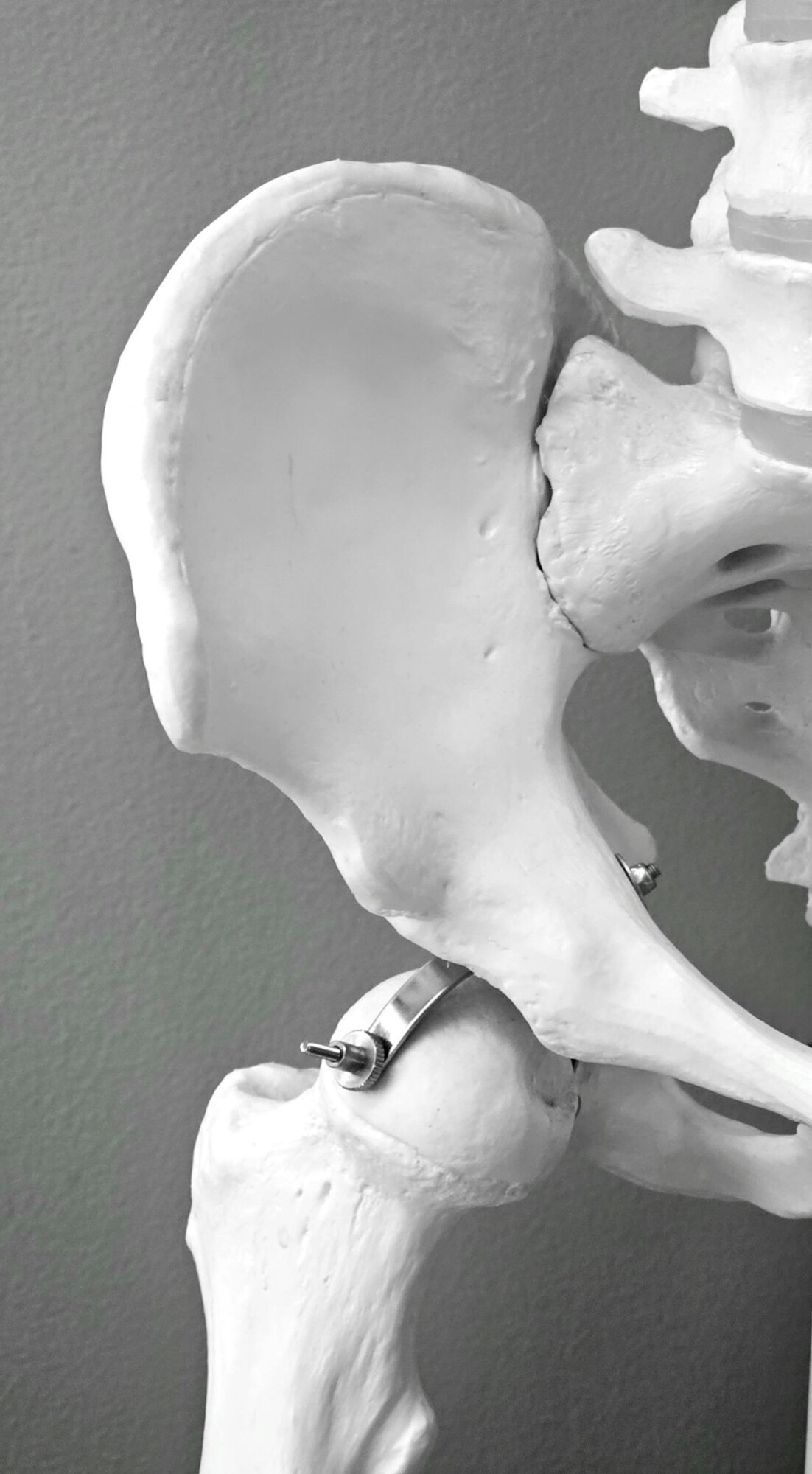
What Causes Hip Pain and When It Matters
Hip pain often arrives quietly. At first, it might appear after long walks or busy days. Over time, stiffness may linger in the morning. Simple movements start to feel limited. These changes usually happen because the smooth cartilage in the joint wears down, or the joint becomes inflamed due to arthritis, old injuries, or age-related changes.
You may recognize signs such as:
- A sharp or aching pain when walking or climbing stairs
- Stiffness after sitting for a while
- Discomfort that disturbs sleep
- Difficulty bending, squatting, or tying shoes
Occasional soreness is part of life. But when pain begins shaping your routine and shrinking your world, it is worth exploring why. Understanding the cause is often the first step toward relief.
How Hip Replacement Can Change Daily Life
Hip replacement is meant to restore natural motion to a joint that has become worn and painful over time. In the procedure, damaged joint surfaces are gently removed and replaced with artificial components shaped to move smoothly together. This helps reduce friction inside the joint, easing discomfort and allowing movement to feel more natural.
People who benefit from the surgery often notice changes such as:
- Walking longer distances without stopping to rest
- Moving more freely when getting in and out of chairs or cars
- Sleeping through the night with fewer discomfort interruptions
- Returning to hobbies, travel, or gentle exercise
These improvements build gradually. Each small gain adds up. Shoes feel easier to put on. Grocery aisles feel less daunting. Daily routines begin to feel normal again. That is the real impact of a successful hip replacement. It is not about a dramatic overnight change. It is about a steady return to comfort and independence.
What the Procedure Involves
Hearing that surgery is recommended can stir a lot of emotions. That is understandable, but rest assured. The good news is that hip replacement in Los Angeles is performed through a well-practiced process designed to protect comfort and confidence from start to finish.
Leading practices such as NanoKnee usually begin with a one-on-one consultation. This visit focuses on listening, evaluating joint health, and creating a personalized plan that fits your lifestyle and needs. Once everything is clear, the surgical procedure follows a thoughtful sequence.
The operation generally involves:
- Gently removing worn or damaged joint areas
- Preparing the hip to receive new components
- Placing artificial joint surfaces that glide smoothly
- Checking stability and range of motion before closing
Each step is performed with advanced technology and careful technique to support safety and effectiveness. Many modern centers also use gentle sedation and updated pain management methods. This often makes the experience feel calmer and more controlled than most people expect when they hear the word surgery.
Understanding what happens inside the operating room can soften fear into clarity. And clarity has a way of bringing genuine peace of mind.
What Does the Recovery Look Like
Recovery is where most curiosity lives. What will the days after surgery feel like? How long until normal life returns? While every recovery is unique, modern aftercare is designed to support you through each stage.
Many patients experience:
- Standing and walking with support on the same day
- Returning home shortly after the procedure rather than long hospital stays
- Guided physical therapy to rebuild strength and flexibility
- Gradual improvement in comfort and mobility over the following weeks
The early days focus on gentle movement and rest. Over time, walking becomes easier. Muscles regain strength. Every day tasks feel less tiring. Follow-up visits help ensure healing stays on track.
Remember, recovery is not a race. It is a guided process. And with the right care plan, progress tends to feel steady rather than overwhelming.
Who Is a Good Candidate for Hip Replacement?
Hip replacement is usually considered when other treatments no longer provide enough relief. It is often the next step after trying medication, physical therapy, or lifestyle changes.
You might consider an evaluation if:
- Pain regularly interferes with walking or daily tasks
- Sleep is disrupted by hip discomfort
- Movement feels stiff or restricted most days
A qualified orthopedic specialist can review your symptoms, medical history, and imaging scans to help clarify options. Even a consultation alone can replace uncertainty with clear information.
Wrapping Up
Chronic hip pain can quietly take away comfort, freedom, and confidence. Hip replacement offers a path toward moving with ease again. Understanding what causes pain, how the procedure works, and what recovery looks like can make the decision feel less intimidating. If hip discomfort is shaping daily life, seeking professional guidance is a meaningful step.