Choosing between Invisalign and traditional braces isn’t always a simple decision, especially as an adult. In a city like Cincinnati, where work and social life leave no free time, many adults start considering an orthodontic treatment that fits naturally into their lifestyle. At this stage of life, priorities feel different. Work meetings, social events, daily comfort, and long-term confidence all come into play. Some adults want subtle treatment that blends into their routine. Others care more about effectiveness and timeline. Both options can create meaningful results, but the experience of wearing them can feel very different day to day.
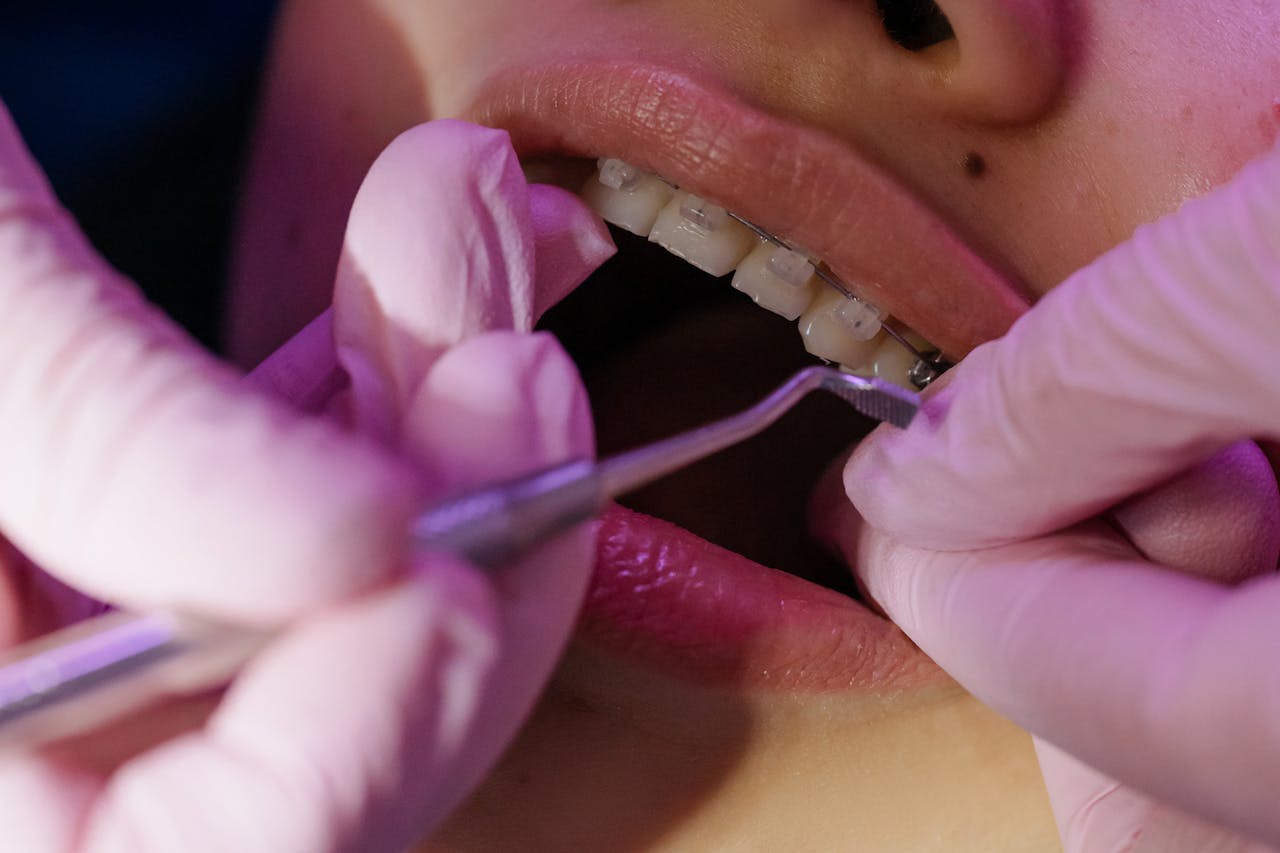
Let’s look at the 6 key differences between them to understand things in detail.
1. Appearance in Professional and Social Settings
For many adults, the first concern is how treatment looks. It’s not vanity. It’s reality. Sitting in meetings, talking to clients, or attending events can make visible braces feel uncomfortable for some people.
Clear aligners tend to blend in more naturally. They’re subtle, and most people won’t notice them during a quick conversation. In contrast, metal braces are easy to spot, and that visibility can feel distracting, especially early on.
When adults start looking into options like invisalign in Cincinnati, Ohio, the focus is often on discretion as much as results. That interest usually grows as people begin thinking about long-term comfort and how treatment fits into everyday interactions. Places like Hardin Dental provide Invisalign treatment through experienced providers who focus on creating natural-looking outcomes while keeping the process consistent and well-guided.
Adults who spend a lot of time interacting with people often lean toward solutions that don’t draw attention. Others don’t mind the look at all. It really comes down to personal comfort.
2. Comfort During Daily Life
This is where opinions can shift quickly once treatment begins. Traditional braces use brackets and wires, and while they’re effective, they can cause irritation. Small sores inside the mouth are common, especially in the first few weeks.
Aligners feel different. They’re smooth, removable, and designed to sit gently over the teeth. There’s still pressure as teeth move. That part is unavoidable. But the absence of metal pieces tends to make everyday wear feel less harsh.
People often notice the difference most during meals, conversations, and sleep. Braces are always there. Aligners can be removed for short periods. That flexibility can make treatment feel more manageable.
Still, aligners require discipline. They only work when worn consistently. So comfort comes with responsibility.
3. Treatment Time and Consistency
People often ask the same question: which one works faster? The honest answer is, it depends. Both options can be effective. Both require time. And both rely on consistency.
Braces stay in place, so there’s no chance of forgetting to wear them. That makes them a steady, reliable option for people who prefer a set-it-and-forget-it approach.
Aligners need to be worn for most of the day, usually around 20 to 22 hours. If someone removes them often or forgets to put them back in, progress can slow down noticeably.
Adults who stay disciplined with aligners often see strong results. Those who struggle with routines might do better with braces. It’s less about which is faster and more about which fits your habits.
4. Maintenance and Hygiene Effort
Keeping teeth clean matters even more during orthodontic treatment. Food can get trapped around brackets, which means brushing and flossing take extra time with braces. It’s not difficult, just more detailed.
Aligners simplify some of that. Since they come out, brushing and flossing feel normal. But the aligners themselves also need cleaning. Skipping that step can lead to stains or odor.
In real life, both options demand effort. Braces require careful cleaning around hardware. Aligners require daily care and attention. There’s no shortcut. The difference lies in which routine feels easier to manage.
Adults who already follow strong hygiene habits often adapt well to either option. Those who prefer a simpler routine sometimes lean toward aligners.
5. Cost Considerations and Long-Term Value
Cost plays a role, even if it’s not the first thing people mention. Prices can vary depending on the complexity of the case, treatment length, and provider.
In some situations, braces may cost slightly less. In others, aligners fall into a similar range. The difference isn’t always dramatic, but it can influence the decision.
What matters more, though, is perceived value. Adults tend to look at how treatment fits their life, not just the price tag. If someone feels more confident and comfortable during the process, that alone can make the experience feel worthwhile.
The choice often comes down to lifestyle alignment rather than cost alone. The best option is the one a person can stay consistent with.
This dentist in Jenkintown PA adds that investing in a straighter smile is an investment in your long-term dental health and overall well-being. Selecting a treatment that balances your budget with your daily routine ensures a smoother journey toward achieving a healthy, functional result.
Conclusion
There’s no universal answer to whether Invisalign or braces are better for adults. Each option has strengths. Each comes with trade-offs. And each can create lasting changes when followed properly.
Some adults prioritize discretion and flexibility. Others prefer a fixed solution that doesn’t rely on daily discipline. Both paths can lead to healthier, straighter smiles over time.
The most helpful step is understanding how treatment will fit into real life. Work schedules, eating habits, comfort, and patience all shape the experience. In the end, the better option isn’t the one that looks best on paper. It’s the one that feels manageable day after day.