Look into any skincare section of your favorite store, or, fair warning, spend five minutes on Instagram and you’ll be inundated with a number of serums claiming to improve your skin. There are two types that appear more prominently than anything else: hydrating and brightening serums. Both are sold under the same terms. “Glow.” “Radiance.” “Healthy complexion.” Therefore, it is not surprising that many people become confused over whether they are doing different things or if one can be simply substituted for the other.
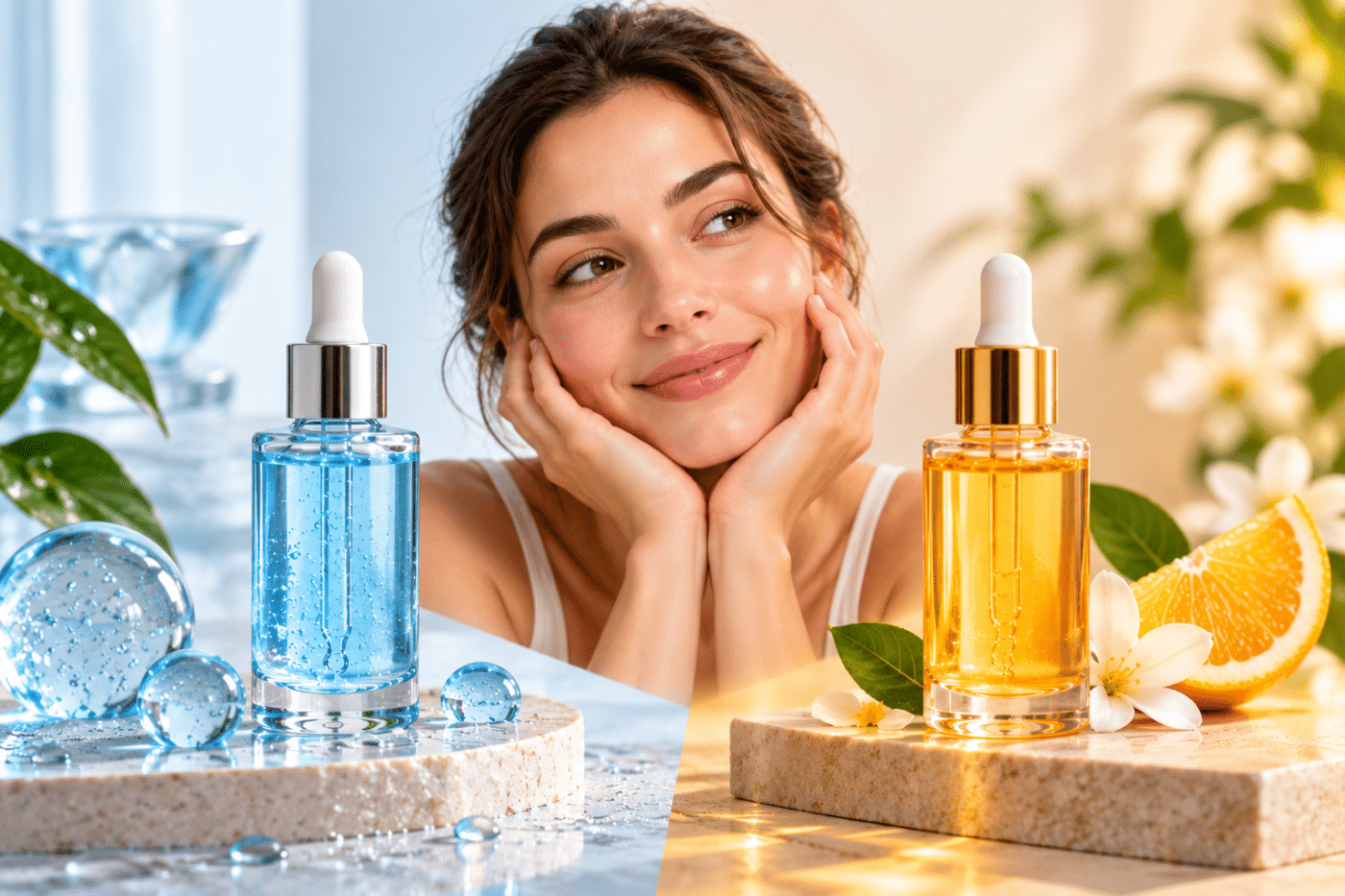
Short answer: no. They work differently, they target different problems, and they use entirely different ingredients to get there. Knowing what sets them apart can save you money, stop you from buying the wrong thing, and help you build a routine that actually does something.
So let’s get into it, what each one does, how they differ, how to figure out which one your skin actually needs, and whether it’s worth using both at once.
What Is a Hydrating Serum?
A hydrating serum is a light, water-based product that will replenish water in the skin. It primarily functions to attract moisture, keep it in the top layers of skin, and contribute to skin barrier health. Moisturized skin appears plumper, smoother, and more supple, and wrinkles do not stand out as much when your skin is moisturized.
The majority of hydrating serums are filled with humectants, which act like a magnet and draw water into the skin. Common ones include:
- Hyaluronic acid can hold many times its weight in water, gives skin that instant plump effect
- Glycerin: Reliable, affordable, shows up in pretty much everything
- Panthenol (vitamin B5): Hydrates and also helps calm irritation
- Ceramides and squalane: Help seal moisture in and reinforce the barrier
It’s important to understand that hydration and moisture are not quite the same. Hydration is water content, and moisturizing is putting the water in by adding oil and occlusives. Your serums contain water, and your moisturizer helps retain it.
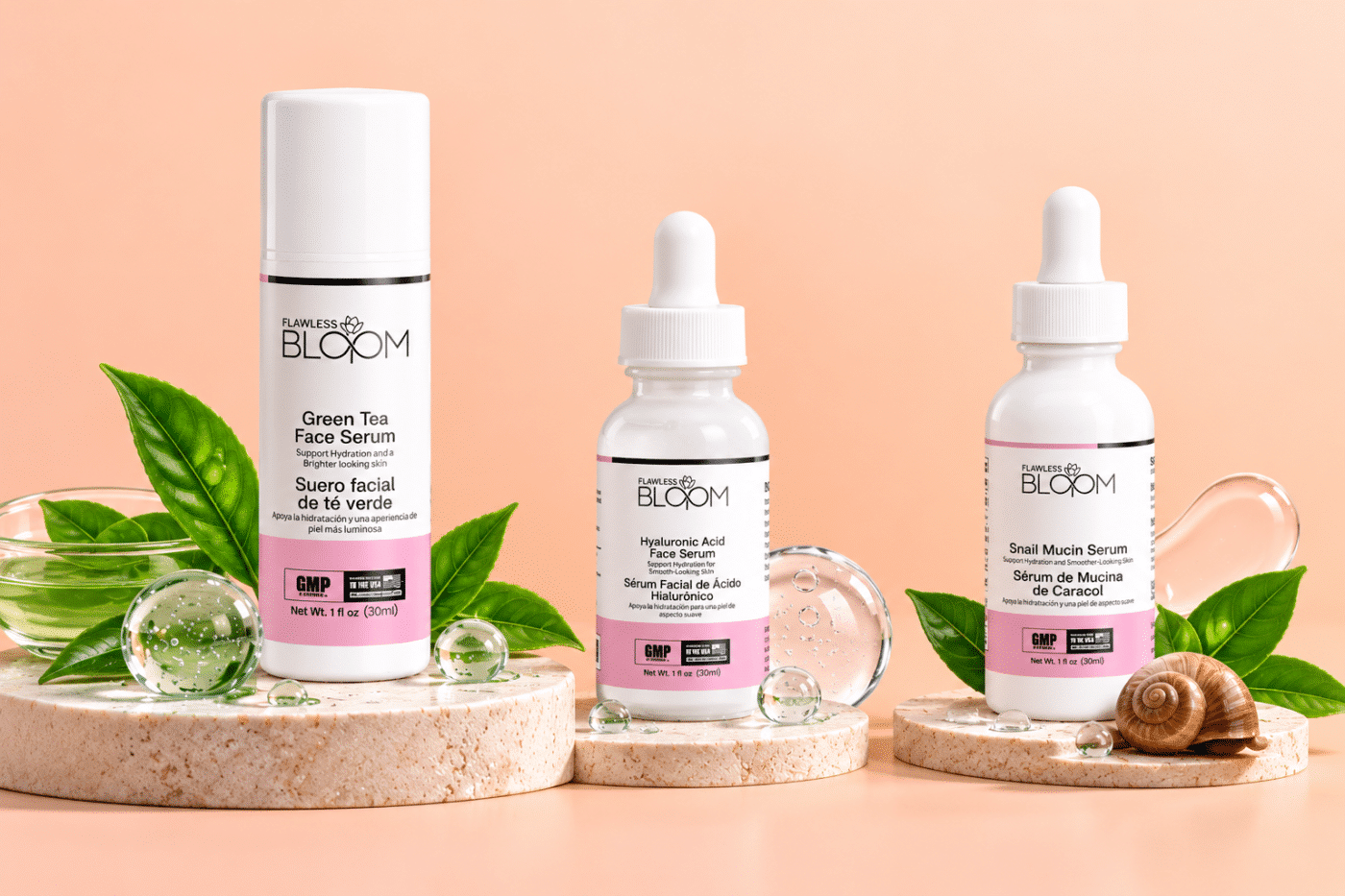
Well-formulated hydrating face serums can make a difference if your skin feels tight after cleansing, looks flaky, or has fine lines that seem worse at the end of the day. They are also very soft and can be used on almost all skin types, even on oily and acne prone skin, which is often still dry.
What Is a Brightening Serum?
Brightening serum is designed to treat dullness, uneven skin tone, and hyperpigmented areas. Rather than hydrating the skin, it targets pigmentation and renewal of skin cells. Over time, it lightens discoloration, evens out skin tone, and shows a brighter, more glowing complexion.
Brightening serums usually contain active ingredients such as:
- Vitamin C, which is an anti-oxidant and protects against environmental stress and helps diminish the appearance of dark spots.
- Niacinamide (vitamin B3) brightens uneven tone, enhances the barrier, and helps to tighten the appearance of the pores.
- Alpha arbutin and kojic acid inhibit excess production of pigment.
- Licorice root extract, a gentle botanical option for calming and brightening.
- Mild exfoliating acids such as lactic acid or glycolic acid, which peel away dead skin cells that give skin a flat, dull look.
Because these ingredients are working at the level of pigment and cell renewal, results take time. Most people start noticing a real difference somewhere between four and eight weeks of consistent use. Dark spots from sun damage or old breakouts can take longer than that.
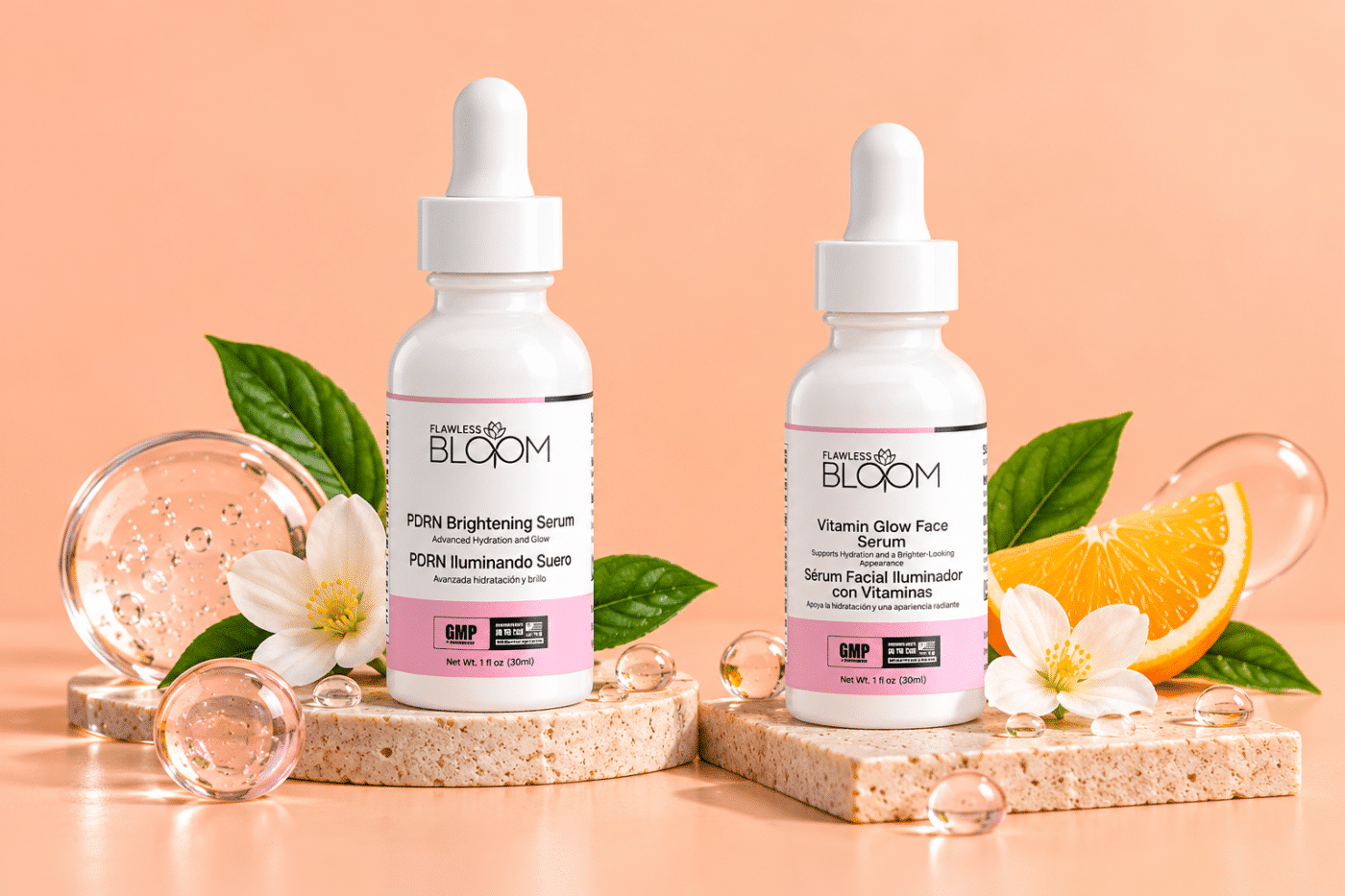
If your main issue is a tired-looking complexion, post-acne marks, or patchy, blotchy tone, brightening facial serums are exactly what those concerns call for. Since many brightening activities can increase sun sensitivity, daily sunscreen is a must when you use them.
Hydrating vs. Brightening Serum: Key Differences
The simplest way to think about it: a hydrating serum improves how your skin feels and behaves, while a brightening serum improves how your skin looks in tone and clarity. Here’s how they compare side by side.
| Feature | Hydrating serum | Brightening serum |
| Main goal | Boost water content and plumpness | Even tone and fade dark spots |
| Key ingredients | Hyaluronic acid, glycerin, panthenol, ceramides | Vitamin C, niacinamide, alpha arbutin, licorice, mild acids |
| Best for | Dry, tight, dehydrated or sensitive skin | Dull skin, uneven tone, sun spots, post-acne marks |
| How fast it works | Often immediately | Usually 4 to 8 weeks |
| Typical texture | Watery or gel-like | Light fluid, sometimes slightly tacky |
| Irritation risk | Very low | Low to moderate, depending on actives |
| Sun sensitivity | None | Some actives increase it, so SPF is essential |
Both types can give you a glow, but for different reasons. Hydration creates a dewy, healthy sheen because plump skin reflects light more evenly. Brightening creates a clearer, more uniform radiance by reducing the spots and shadows that make skin look tired.
Which One Does Your Skin Need?
When you’re looking to purchase any products, inspect your skin in daylight and ask yourself what is really bothering you.
If you have any of the following, you likely need a hydrating serum:
- Your skin is tight, rough, or itchy after bathing.
- Makeup looks patchy or lines fine.
- You see flakiness particularly around the nose and cheeks.
- You live in a dry climate, have long hours of air conditioning or have used drying treatments such as retinoids or acne treatment products.
If you have any of the following, you likely need a brightening serum:
- Even though the weather is pleasant, your skin appears dull or gray.
- Have dark spots caused by sun damage or old acne.
- Your skin tone looks blotchy or uneven.
- You want a clearer, more radiant look in photos and daylight.
In many cases, dryness actually contributes to dullness. Dry, lacking moisture skin does not reflect light as well and can appear tired even if there is no pigmentation problem. That’s why opting for hydration is a priority for many dermatologists before anything else. After all, even after all those weeks of adequate hydration if your skin still remains dull looking, a brightening serum might be the solution.
Do You Need Both?
For many people, yes. Serums do not compete with hydrating, they complement! By keeping your skin barrier healthy and comfortable, hydration helps you put up with brightening activities effectively. Hydration products, in turn, provide clarity and even tone, while brightening ingredients will complement that. They are a perfect match when combined in one of the most effective face serums for a glowing skin routine.
If you suffer from dull skin and dryness, if you are using stronger activities to treat dark spots or if your skin is prone to feeling sensitive to vitamin C or acids, using either is particularly beneficial.
How to layer them
The general principle is to use the thinnest to the thickest, and the most active ingredient to the cleanest skin. A simple skincare regimen for dry skin could be as follows:
Morning
- Gentle cleanser
- Brightening serum (vitamin C is effective in the morning for its antioxidant properties)
- Hydrating serum
- Lightweight moisturizer
- Broad-spectrum sunscreen (SPF 30 or above)
Evening
- Cleanser
- Apply a brightening serum (niacinamide or alpha arbutin) or other treatment
- Hydrating serum
- Richer moisturizer
Alternatively, you can do two of them: brightening serum in the morning; hydrating serum at night. There are products available that have both, like a niacinamide serum with hyaluronic acid, if you wish to have less steps.
Allow 30-60 seconds between layers to ensure absorption. Avoid using other strong active ingredients that night if you’re using a strong acid exfoliator at night to prevent irritation.
Tips for Getting the Best Results
- Apply hydrating serums to slightly damp skin. Humectants like hyaluronic acid work best when there’s water for them to grab onto.
- Introduce one new product at a time. Apply each serum to skin for 2 weeks to see if any reaction will occur.
- Patch test brightening serums. Use a little behind the ear or along the jaw line for several days before applying it to the entire face.
- Don’t skip sunscreen. If you don’t use SPF every day, your efforts to reduce dark spots will be wasted with the sun.
- Patience and consistency. While hydration results will show fast, brightening results take time to achieve and will take time to continue.
- Store vitamin C properly. Store it out of the reach of heat and light and change it if it becomes dark orange or brown.
Frequently Asked Questions
Can a hydrating serum brighten skin?
Indirectly, yes. A well hydrated skin will look more fresh and reflective of light, so it will look brighter. But a hydrating serum won’t diminish hyperpigmentation or lighten dark spots.
Can I use a brightening serum on dry skin?
Yes, but use it in conjunction with a moisturizing serum and a moisturizer. Many of the gentle brighteners, such as niacinamide and licorice extract, are generally easier on dry or sensitive skin as compared to strong acids.
Which serum should I apply first?
Use the thinner and more active brightening serum first and then the hydrating serum second to provide comfort and moisture.
Is it okay to use both serums every day?
Yes, for most people. Use the brightening serum slowly, such as every other day, to allow your skin to adapt to the product, and then increase to daily application.
The Bottom Line
A hydrating serum restores water, comfort, and that plump, healthy bounce. A brightening serum goes after dullness, dark spots, and uneven tone. If your skin feels dry and tight, start with hydration. If it looks flat or patchy, add brightening.
For a lot of people, using both is what actually moves the needle, skin that feels good and looks even. Build your routine gradually, wear sunscreen every single day, and give your products real time to work. With the right combination, a genuine, lasting glow isn’t some far-off goal. It’s just a matter of being consistent.
Sources
Skin hydration is significantly increased by a cream formulated to mimic the skin’s own natural moisturizing systems
https://pmc.ncbi.nlm.nih.gov/articles/PMC6197824
The role of vitamin C on the skin
https://pmc.ncbi.nlm.nih.gov/articles/PMC12339815
Antioxidant and Anti-Melanogenic Activities of Heat-Treated Licorice (Wongam, Glycyrrhiza glabra × G. uralensis) Extract