From our experience, gardens don’t tend to get overhauled overnight. Rather, the process begins with that one dead hanging basket or a big water bill.
It doesn’t matter where you’re starting from in terms of your garden; summer is a great time to make changes, as it helps you see what’s working and what’s not.
It All Starts Underground
Begin with the soil, as healthy soil is the foundation of everything, yet one of the most overlooked aspects of sustainable gardening.
Add organic matter, whether that’s homemade compost, well-rotted manure, or leaf mould, to improve structure, drainage, and the microbial activity that feeds your plants naturally.
You’ll use less water, need fewer fertilisers, and your plants will be noticeably more resilient through dry spells.
Stop Wasting Water (It’s Easier Than You Think)
Speaking of water, think hard about how you’re using it. A simple water butt connected to a downpipe costs very little and can collect hundreds of litres over a wet week.
Drip irrigation, even a basic soaker hose laid along your beds and covered with mulch, delivers water directly to roots rather than evaporating off the surface. Watering in the evening also makes a great difference.
Don’t Underestimate Bark Chippings
It sounds unglamorous, but bark chippings might be one of the most useful things you can add to your garden this summer. Spread them across your beds and borders, and they’ll suppress weeds without a drop of weedkiller, hold moisture in the soil so you’re watering less, and slowly break down over time to feed the earth underneath. One bag does a lot of work.
Plant Things That Belong Here
We always recommend native plants, which have evolved in correlation with local insects and birds, so they don’t need much intervention. In essence, they’re adapted to your climate, can cope with dry summers, and contribute significant ecological work, especially compared to exotic ornamentals.
Planting something like verbena bonariensis, foxgloves, or hardy geraniums alongside your existing beds costs almost nothing but makes a meaningful difference to what visits your garden.
Peat-free composts have genuinely improved in recent years, and the environmental case against extracting peat is overwhelming. UK peatlands store more carbon than all the forests in Britain combined. It’s an easy swap that adds up across millions of gardeners.
Cut Back on Chemicals
Many don’t grasp how many chemicals are being used in general garden tasks. What we’re referring to here are things like slug pellets and weed killers. They move through soil, into water, and through food chains.
We know hand weeding can be tedious, but it’s very effective at the same time.
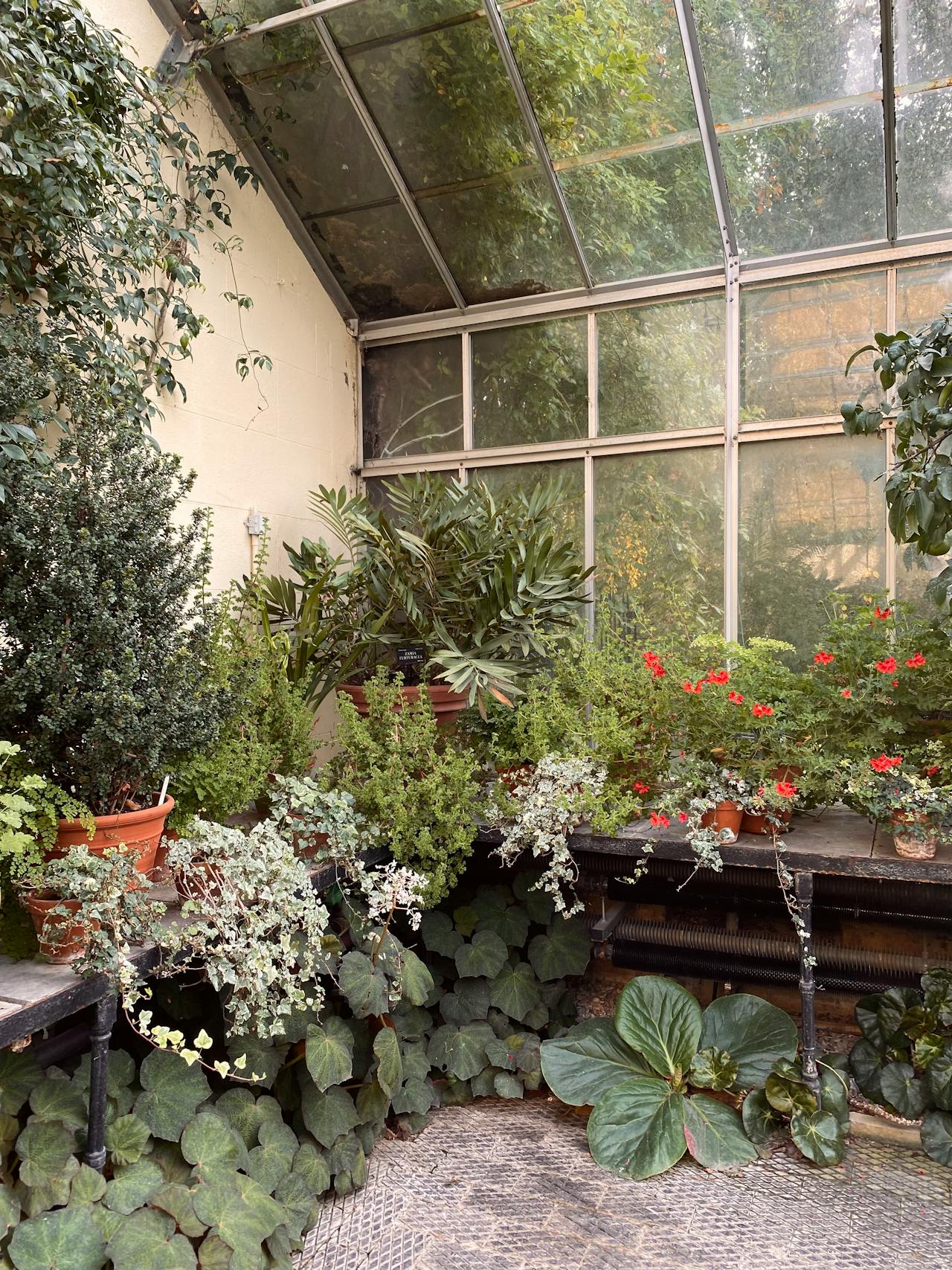
For slugs, encourage hedgehogs, use copper tape around vulnerable plants, or try nematodes, microscopic organisms you water into the soil that target slugs specifically without harming anything else. For more vulnerable plants, a greenhouse can also provide protection from pests and unpredictable weather, helping to reduce the need for chemical treatments.
You’re All Set
We suggest picking two or three of these changes that you resonate with most, instead of going for a dozen.
Compost and mulching alone will transform how your garden behaves over a season. The most sustainable garden isn’t a perfect one; it’s one that’s constantly being tended a little more thoughtfully than before.