The common notion surrounding a personal styled uniform is that ‘it is dull’. Yes, the idea of wearing the same shirt/t-shirt, jeans, jumper, coat, and footwear every day is scary, but the more you think about it, the more you see the other side of the argument.
A personal uniform is not about wearing the identical clothes every day; it is about building a personal brand. Additionally, it is also about finding what keeps you comfortable and confident even on those bad days.
What adds more heft to this dress code is a good watch, one that is not trying to be the whole but quietly complementing what you are wearing.
So, if you have been thinking about investing in something classic, this is where Shop Tudor timepieces fit naturally into the conversation, because a watch like that is less about chasing a trend and more about building a wardrobe around pieces that last. It is not the only way to do personal style, obviously. But it is a strong starting point.
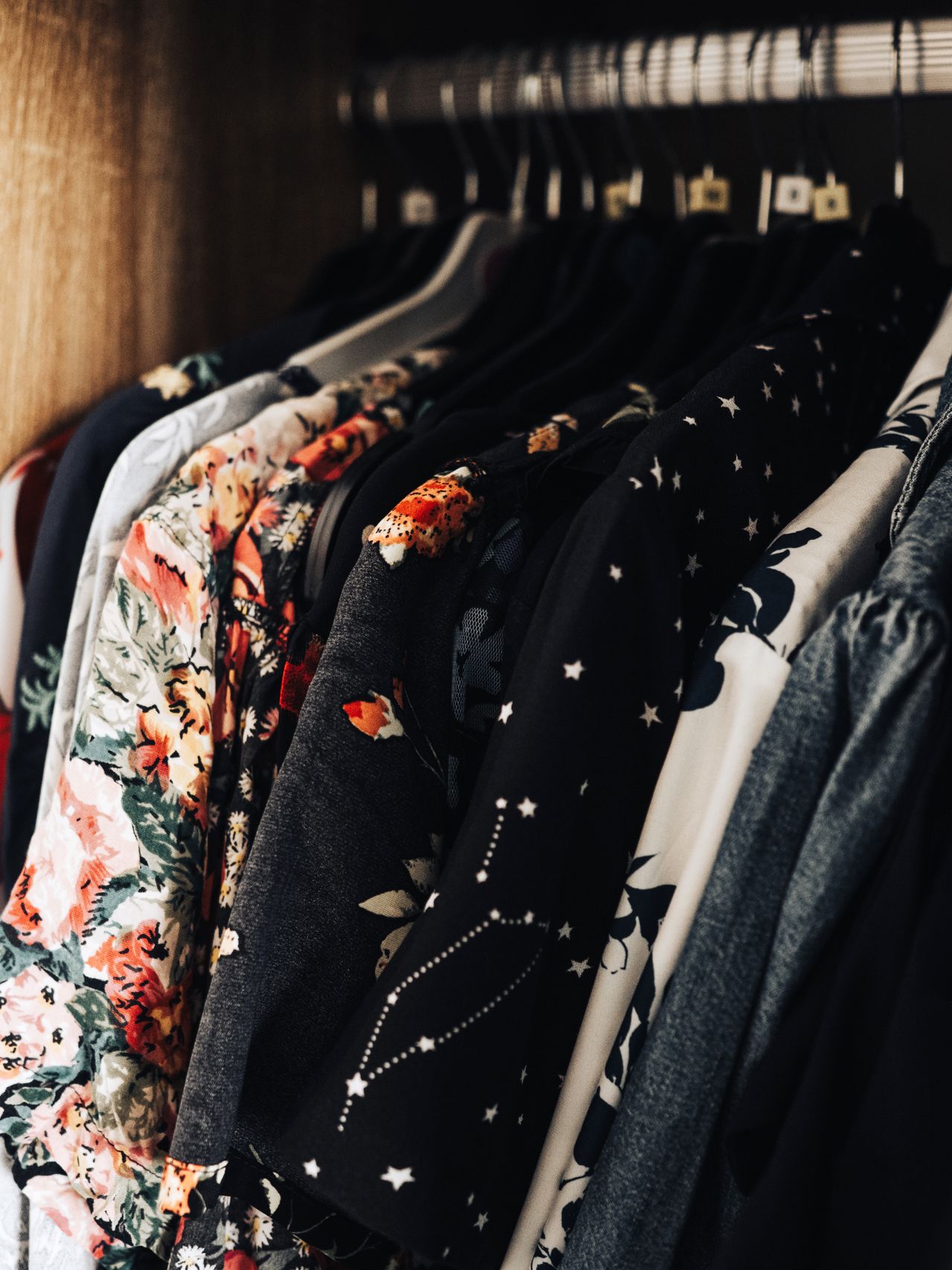
The Personal Uniform Is Not About Looking the Same
The phrase ‘personal uniform’ often gets misunderstood. It does not mean you need to dress like a cartoon character with one outfit hanging in twenty identical versions. It is more like following a framework in which you work out the shape, color combinations, fabrics, and little details that represent who you are.
An unsaid advantage of this practice is that you stop making every morning into a full-blown decision-making event, and honestly, that alone is worth something.
Why a Watch Changes the Mood of an Outfit
There is something oddly grounding about putting on a watch. Phones tell the time, yes, but they also drag you into emails, messages, photos you meant to delete, and some random article about tomato pruning.
Whereas a watch does one thing. It sits on your wrist and makes even a very ordinary outfit feel considered. For instance, you are wearing a white shirt, jeans, and trainers; add a proper watch, and suddenly it looks like you meant it.
That is the thing with accessories. The right ones do not need to work hard. They just bring a bit of structure. The right watch can make soft clothes look sharper, casual clothes look more grown-up, and smart clothes feel less stiff.
The Watch-First Wardrobe Formula
A bit controversial, but when building a wardrobe for a personal uniform, starting with the watch can be an interesting approach. Yes, it sounds a little backward, we know, but if you can pull it off, it works surprisingly well.
Let’s understand how.
A watch gives a great starting point. Once you know the character of the watch, which includes choosing from a metal bracelet or leather strap, black dial or blue, or sporty case or dressier shape, the rest of the wardrobe can echo it without a lot of effort.
| Watch Style | Clothing Mood | Best Daily Pairing |
| Stainless steel bracelet | Clean, practical, slightly sharp | Straight jeans, white shirt, loafers |
| Leather strap | Warm, classic, softer | Knitwear, tailored trousers, boots |
| Sport-inspired design | Relaxed but intentional | Overshirt, chinos, trainers |
| Slim dress watch | Minimal and polished | Blazer, dark denim, simple shoes |
Now, it is important to know that the point here is not to build for every outfit. Rather, it is more about finding an anchor and using it as a broad category for styling the wardrobe.
Start With the Clothes You Already Repeat
Once the watches are sorted, or if you don’t want to go down that route, start with the clothes you wear every day, or at least identify the pattern. As you look around your room, you will find enough clues about what you prefer every day, and that is your perfect starting point.
Here, a simple wardrobe audit works like magic. Divide the clothes into the following categories, without being too rigid about it:
- Things that you wear all the time and feel comfortable in
- Things that you think you like but rarely reach for
- Things that annoy you every time you put them on
That last pile is usually the most revealing and helps you start sorting out the wardrobe.
Build Around Texture, Not Just Color
Once the audit is complete, start focusing on the fabric and texture, not just color, for finalizing your wardrobe. Even if stylists often place higher emphasis on color, texture is a more personal choice.
For instance, someone gave you a pair of corduroy pants, which you never preferred, and you still feel the same way. In that case, your decision is made. Similarly, a navy jumper and jeans can look flat or quietly excellent, depending on the fabric.
Wool, cotton, linen, leather, suede, denim, brushed metal. These are the things that create depth without needing loud prints or complicated styling.
Then you can add a watch to the mix for better texture. For instance, stainless steel against knitwear, leather beside cotton, or a clean dial with a slightly rumpled shirt. Even if it sounds small, these things are often the whole point.
Make It Feel Lived-In, Not Staged
A personal uniform should have room for real life. A slightly wrinkled linen shirt, trainers that have actually been worn outside, or a jumper with sleeves pushed up because you were making coffee or moving plant pots around. This is where style becomes more interesting than perfection.
Because perfect outfits can feel cold, but lived-in outfits feel believable.
The watch you choose to pair here should feel that way too. It should not sit in a box waiting for the correct lighting and a special dinner. Wear it with boring errands, or with a sweatshirt if that is the day you are having.
Because good pieces become yours through repetition, not through being saved for some imaginary better version of life.
The Real Win Is Knowing What Belongs
A wardrobe built around one good watch, or one good coat, or one perfect pair of boots, is really a wardrobe built around attention. You start noticing what earns its place and stop buying versions of yourself that do not exist. As a result, you also get dressed faster, but somehow with more care. Even if it sounds contradictory, it does not.
So, to sum up, the best personal uniforms are not rigid. They shift with seasons, bodies, work, weather, and taste, but they keep a thread running through everything. For some people, that thread is tailoring. For others, it is denim, knitwear, dresses, boots, or soft layers. And for some, it is a watch on the wrist, quietly reminding the whole outfit to behave itself.