Human papillomavirus (HPV) is one of the most notorious viral infections. And yes, it is more common than you think. Thankfully, many cases clear naturally. However, some are persistent, and these raise the risk of more sinister complications, like cellular changes and even cancers.
With persistent high‐risk HPV’s potential to lead to serious outcomes, there is an inevitable need for intervention. The ultimate goal is to speed up clearance. AHCC (a proprietary extract of cultured shiitake mushroom mycelia) is one of the most potent interventions available.
This supplement has gained popularity thanks to its immune‐modulating properties. And more specifically, it plays a pivotal role in helping clear persistent high-risk HPV infections.
But the one question most people have is: “How much AHCC should I take for HPV?” This article examines the available evidence. Ahead, we seek to provide context and guidance on dosage and duration. Read on;

What Does Research Say about AHCC and HPV?
Several studies have explored AHCC’s effect on HPV. One such research involved two pilot studies; In one, women with persistent high‐risk HPV took 3 g daily of AHCC once daily, and 4 of 8 (50 %) cleared the infection over 3–6 months. In a second pilot, women took 1 g daily, and 4 of 9 (44 %) cleared after about 7 months.
A randomized double‐blind placebo‐controlled Phase II trial (NCT02405533) enrolled ~50 women (>30 yrs old) with persistent high‐risk HPV (>2 yrs). They were randomized to AHCC 3 g once daily on an empty stomach for 6 months. This was followed by 6 months of placebo, versus placebo for 12 months. The findings were as follows;
Of 22 women in the AHCC arm who completed 6 months, 14 (63.6 %) became HPV RNA/DNA negative. At 12‐month follow‐up (i.e., 6 months after stopping the supplement), 9 of 14 (64.3 %) sustained negative status. By comparison, in the placebo arm, only 2 of 19 (10.5 %) were HPV negative at 12 months.
Thus, overall ~58.8 % of participants receiving AHCC (in the pooled blinded & unblinded groups) cleared persistent high‐risk HPV. The study also found that suppression of interferon-β (IFN-β) to less than ~20 pg/mL correlated with viral clearance. These results suggest promise, but also many caveats (small numbers, limited to women, persistent HPV, etc.).
Typical Dosage Used in Studies
From these studies, we can extract patterns of dosage and duration that seem to influence the effectiveness of this approach.
Dosage
- The main randomized trial used 3 grams (3,000 mg) once daily (on an empty stomach) for 6 months.
- Pilot studies included 1 gram once daily for ~7 months in one case (with ~44 % clearance) and 3 grams once daily for 3 – 6 months in another (with ~50 % clearance).
- Some sources suggest dosing in the range of 1-3 g dailyfor immune support in general.
Timing and Administration
- The randomized study specified taking AHCC on an empty stomach once daily.
- Some community/advice sources suggest taking it 1 hour before meals or 2 hours after. The goal here is to maximize absorption.
Duration
- In the Phase II trial, 6 months of AHCC followed by 6 months of placebo was the regimen.
- The pilot 1 g study lasted ~7 months.
- There is less clarity about how long one should continue once HPV is cleared, or whether maintenance dosing is needed. This, and how much you should continue using, remains an open question.
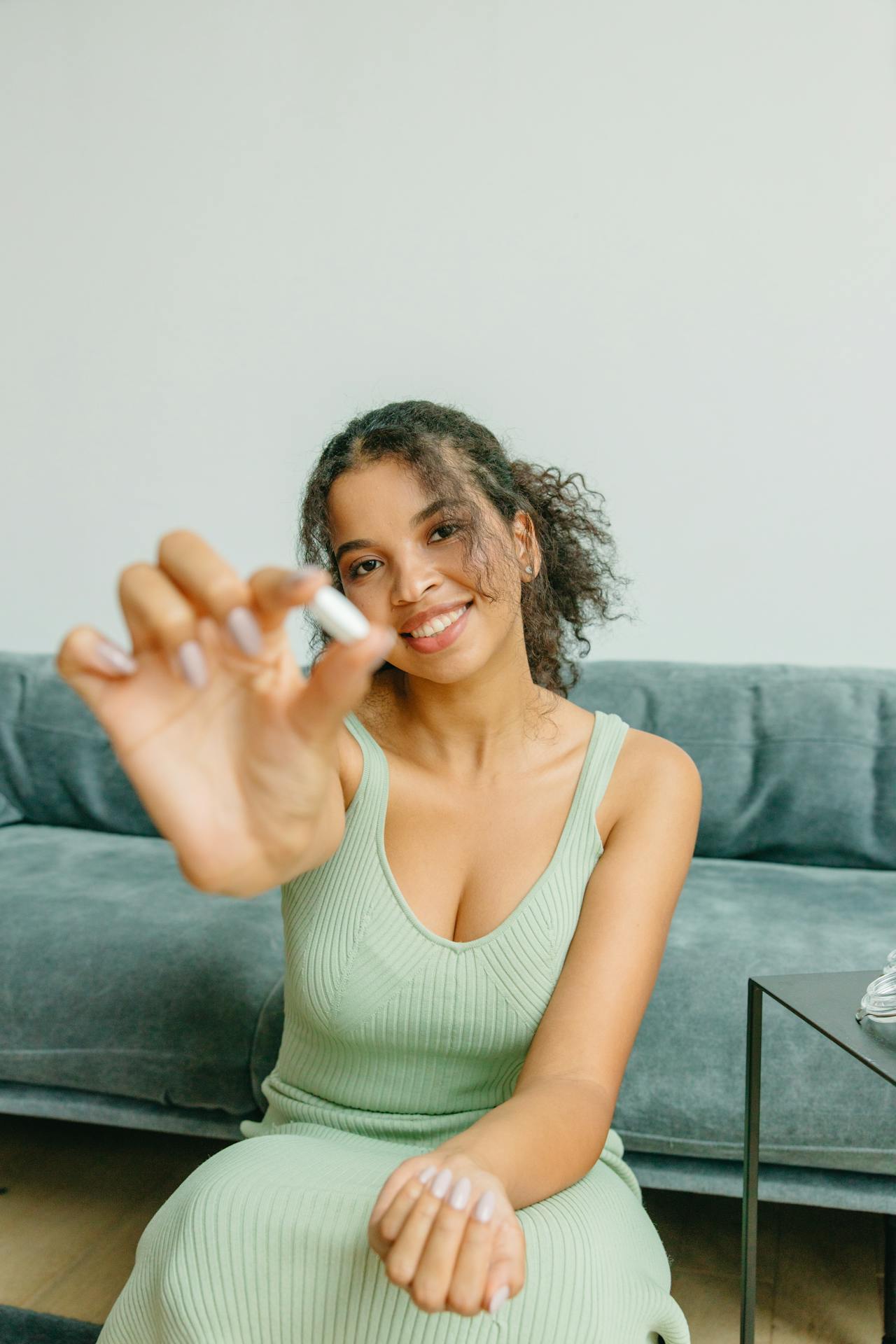
So, How Much Should You Take?
Putting this together, for someone considering AHCC for persistent high-risk HPV, the following pattern would be practical.
Keep the dosage at ~3 g (3,000 mg) of AHCC once daily, on an empty stomach. The duration should be at least 6 months. You should also ensure timely monitoring of HPV status (DNA/RNA) every 3 months, if possible.
The optimal duration after clearance is still unknown. The trial followed participants for 6 months post‐treatment, but longer‐term maintenance is yet to be established.
Lower dosage is also an option. As noted, some earlier pilot data suggest that 1 g daily may have an effect (~44 %), though the larger trial used 3 g. So, if cost or tolerance is a concern, you can consider shooting for 1–2 g.
Also, note that this is not a guaranteed “cure” for HPV. Additionally, it’s important to keep in mind that AHCC is not FDA-approved specifically for HPV. The studies are promising but undeniably small and limited. And yes, normal HPV infections often clear naturally, which means that attributing clearance solely to AHCC is still a long shot.
Potential Risks, Considerations & Caveats
It should be noted that there are still some potential risks to watch out for.
Safety/Tolerance
The Phase II trial reported that AHCC at 3 g daily was well tolerated, with no significant adverse side effects reported. However, high‐quality large trials are lacking. Therefore, long‐term safety in diverse populations (pregnant women, children, people with autoimmunity, etc.) is less established.
Not a Replacement for Standard Care
For persistent high‐risk HPV, standard procedures still remain essential. We’re talking gynecologic monitoring or screening (Pap smear, HPV testing). And of course, treatments (LEEP, colposcopy) as well as other measures.
AHCC should be considered an adjunct, not a replacement. Some sources explicitly advise against using this substance as a substitute for standard HPV treatment.
Final Thoughts; Don’t Skimp on Quality and Authenticity of Product
Many AHCC products out there may vary from the one used in these tests. But product quality is what matters the most. Make sure to go for AHCC vitamins from a reputable brand with third‐party testing.
More importantly, ensure to communicate with your healthcare provider first. And remember, this should be used as an addition to good lifestyle habits and standard treatment. Do not rely solely on it.