Starting a waste management business is a great choice. When beginning a business, it’s always a good bet to go for ventures that don’t have a high likelihood of being made irrelevant due to artificial intelligence (AI) and automation, and this type of business fits the bill perfectly.
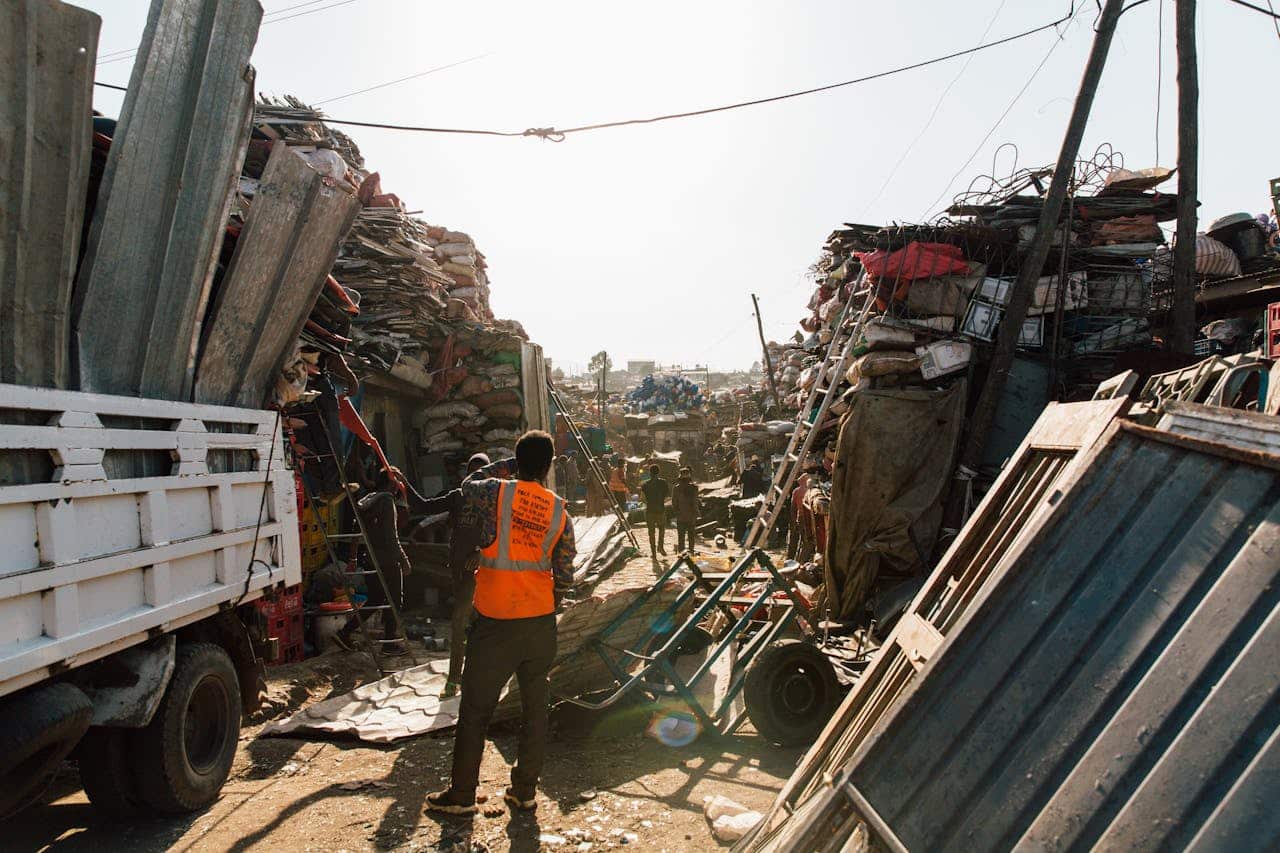
During the early days of any business, there’s a lot to figure out; it’s only natural to go through teething problems in the beginning, and the goal isn’t to try and avoid these challenges, but learn how to overcome them.
Of course, the biggest hurdle is the financial one, and this article is here to give you a head start with that. Here are four costs you need to factor in to achieve success.
1. Fleet and Equipment
Your first priority when it comes to managing a business like this is your fleet, as well as any containers you’ll need to transport rubbish.
The reason this is top of the list is because of the associated upfront cost. Depending on the size of your fleet and the type of vehicles you’ll be using, getting set up can cost tens of thousands. There are options for financing, of course, and this is the route most startups go down.
2. Base of Operations
Next up is deciding on a location to run your business out of. There’s a lot that goes into this choice, as you’ll need plenty of space to operate efficiently. There are the office areas to consider, but the main thing is to have enough space to store all of your vehicles.
You’ll likely need to compromise somewhere along the line, but so long as you have somewhere that ticks most of the boxes (likely on an industrial estate), you’ll do fine.
3. Supportive Technology
While much of your day-to-day relies upon elements that have nothing to do with digital technology, there are plenty of platforms you can (and should) use behind the scenes to improve your efficiency.
For example, something like CurbWaste is a worthwhile investment. This platform helps you organise everything about your business, from providing automated invoicing to live inventory tracking. It can be a huge help to visualise everything from a bird’s-eye view like this.
4. Rules and Regulations
Given the scale of a waste management business and what can go wrong, there are a lot of rules and regulations to consider. You’ll need appropriate licensing for your vehicles and to adhere to the strict environmental regulations, and when you add in costs for permits and other smaller fees, things add up quickly.
Be sure to do plenty of research into your local area, as things differ greatly depending on where you’re based.
Wrapping Up
You should now have a better idea of the costs associated with running this sort of business. While the initial outgoings can be very high, once you’ve got everything set up, waste management can be an extremely lucrative career option. It’ll take a while to get there, but persevere, and it’ll all be worth it. Good luck!