Foot discomfort can disrupt daily life, influencing mobility, health, and well-being. Many people experience various foot-related issues, whether it’s due to long hours of standing, improperly fitting shoes, or underlying health conditions. Understanding the common causes behind these discomforts can aid in addressing them effectively. This article outlines prevalent foot problems and offers practical relief strategies to ensure your feet remain healthy and pain-free.

Footwear Choices and Their Impact
One of the primary culprits of foot discomfort is inadequate footwear. Shoes that lack support or cushioning can lead to various issues like blisters, bunions, and plantar fasciitis. The anatomy of your foot plays a big role in determining the right kind of shoe. Individuals with high arches may require different support than those with flat feet.
Wearing high heels for extended periods can exert excessive pressure on the ball of the foot, leading to painful conditions. When choosing footwear, prioritize comfort and proper fit over style. It’s beneficial to shop for shoes later in the day when your feet are slightly swollen, as this helps ensure a better fit. Footwear designed for specific activities can contribute greatly to foot health.
Common Conditions Causing Discomfort
Several medical conditions can lead to foot pain. Conditions like diabetes can result in neuropathy, causing tingling or numbness in the feet. Arthritis is another condition that can lead to chronic pain and inflammation in the joints of the feet. Other common issues include plantar fasciitis, which manifests as heel pain, and Achilles tendinitis. Consistent discomfort may be caused by neuromas, growths of nerve tissue that typically develop between the toes.
Recognizing the symptoms associated with these conditions is crucial for seeking appropriate treatment. Professional medical advice is important whenever persistent pain arises, as early intervention can prevent more serious complications. Health and wellness significantly influence foot health, making routine check-ups important.
Foot Hygiene and Maintenance
Maintaining foot hygiene is crucial to avoid discomfort and complications. Regular washing and thorough drying of the feet can prevent fungal infections like athlete’s foot, which thrive in moist environments. It’s wise to pay attention to the area between the toes and keep it dry. Regularly trimming toenails helps avoid ingrown toenails, which can be both painful and annoying.
Moisturizing can alleviate dry, cracked skin on the feet. If your heels become particularly dry, learning how to heal cracked heels can provide significant relief and aid in comfort. Choosing appropriate foot care products that suit your skin type ensures optimal results in maintaining foot health.
Stretching and Strengthening Exercises
Incorporating stretching and strengthening exercises into your routine can greatly reduce discomfort. Tight muscles can lead to pain, rhythm issues in your gait, and contribute to conditions like plantar fasciitis. Simple stretches like calf raises or toe stretches can enhance flexibility and strengthen muscles.
Balance exercises can improve foot and ankle stability. Consider using a golf ball or tennis ball to roll under your feet, promoting relaxation and blood circulation. Regularly engaging these exercises can lead to better alignment and reduced pain over time, allowing your feet to perform optimally.
Weight Management and Its Effects on Feet
Excess weight can lead to increased pressure on the feet, contributing to discomfort and pain. Each pound of body weight can create several additional pounds of pressure on your feet during activities like walking or running, increasing the likelihood of conditions like plantar fasciitis or osteoarthritis.
By managing weight through diet and exercise, you can significantly reduce foot-related problems. Incorporating low-impact activities such as swimming or cycling can benefit health while alleviating stress on the feet. Consultation with a dietician or a personal trainer can create a balanced approach to weight management tailored to individual needs.
Choosing the Right Support Products
Support products, such as insoles, orthotics, and arch supports, can alleviate various foot issues. These items are designed to provide additional cushioning, address alignment concerns, and distribute weight evenly across the foot. Custom orthotics, created by healthcare professionals, can address specific foot problems effectively.
Over-the-counter insoles can also offer comfort and relief for common discomforts and may be readily available at pharmacies and online. By integrating these support products into daily wear, many individuals find significant relief from common foot issues.
Evaluating Your Activity Level
A busy lifestyle can contribute to foot discomfort, especially when activity levels suddenly increase. Those who engage in new exercises or stand for long hours at work may experience pain due to overuse. Gradually increasing activity levels gives your body time to adapt, helping to prevent injuries.
Alternating activities can reduce stress on your feet and promote recovery from fatigue. Listening to your body, when it signals discomfort, is key to preventing further complications. Rest days are important, allowing muscles to recover while maintaining joint health.
Understanding Foot Anatomy and Function
Knowing how your feet function helps identify sources of discomfort more effectively. Each foot contains numerous bones, muscles, and ligaments that work together to provide support and movement. When any part becomes strained or misaligned, it can lead to pain and instability.
Learning about your foot’s structure can guide better footwear choices and preventive care practices. This knowledge also helps in selecting appropriate exercises and treatments to maintain healthy, pain-free feet. Being aware of foot anatomy can help recognize early signs of potential problems.
Preventing Foot Problems Before They Start
Paying attention to daily habits can significantly reduce the risk of foot discomfort. Choosing supportive footwear, maintaining proper hygiene, and incorporating regular stretching help keep feet strong and flexible. Developing consistent foot care routines promotes comfort, prevents common issues, and supports long-term mobility and well-being.
Consistently monitoring how your feet feel during activities can help catch minor issues early. Combining preventive care with healthy lifestyle choices ensures your feet stay pain-free and resilient over time.
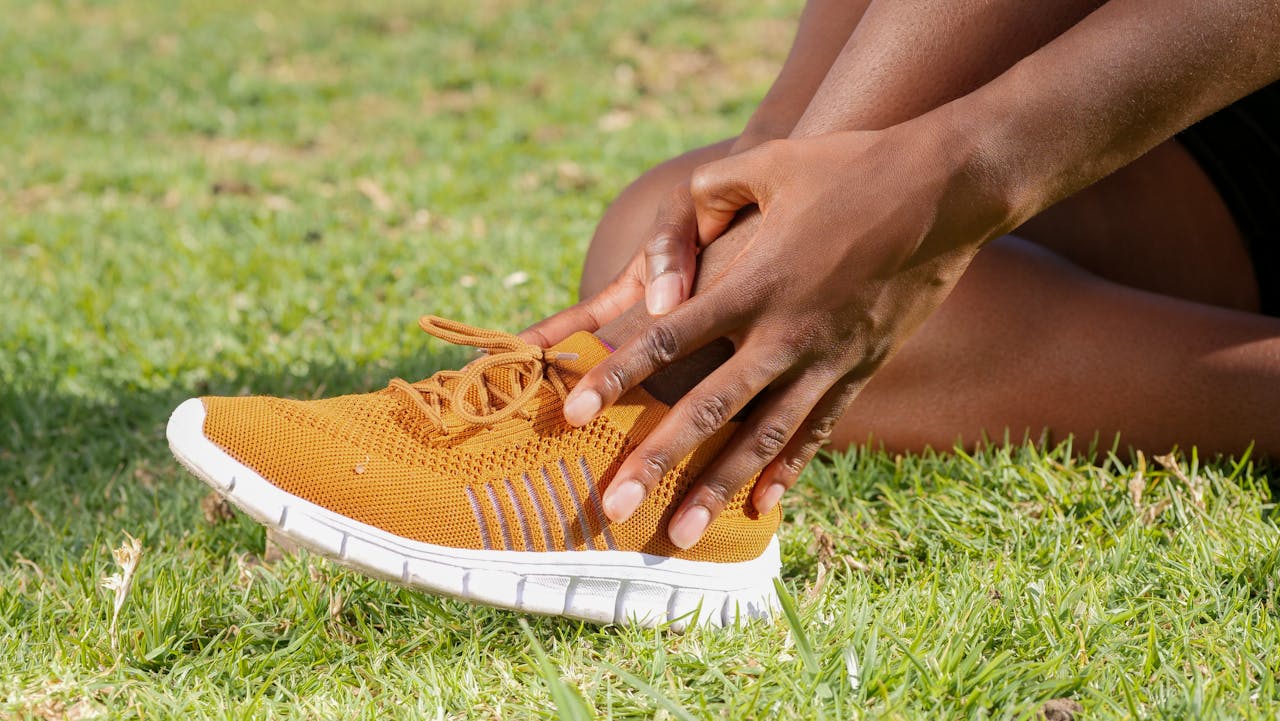
Wearing proper footwear, practicing good hygiene, and staying active promote strong, healthy feet that enhance balance, comfort, and mobility while preventing many common foot problems. These simple habits improve daily comfort and boost well-being, helping individuals move confidently while maintaining strong, healthy feet and lasting comfort throughout life.