I’ll be honest, when I tell people outside Yorkshire that I actually like black pudding, I get a face. You know the one. A sort of polite horror, like I’ve just told them I enjoy cold baked beans for breakfast (I also do this, for the record).
But here’s the thing: black pudding is one of those foods that’s had a reputation problem for decades, and most of it isn’t deserved. I grew up with it turning up on breakfast plates around York without anyone batting an eyelid, and it wasn’t until I moved further afield and mentioned it that I realised quite how much of a love-it-or-hate-it food it actually is. So I thought it was about time I actually looked into what’s in the stuff, because if I’m going to keep eating it (and I am), I’d rather know what I’m putting on my plate.
Turns out, there’s a lot more to black pudding than the “it’s just blood and fat” reputation it’s saddled with. Let’s get into it.
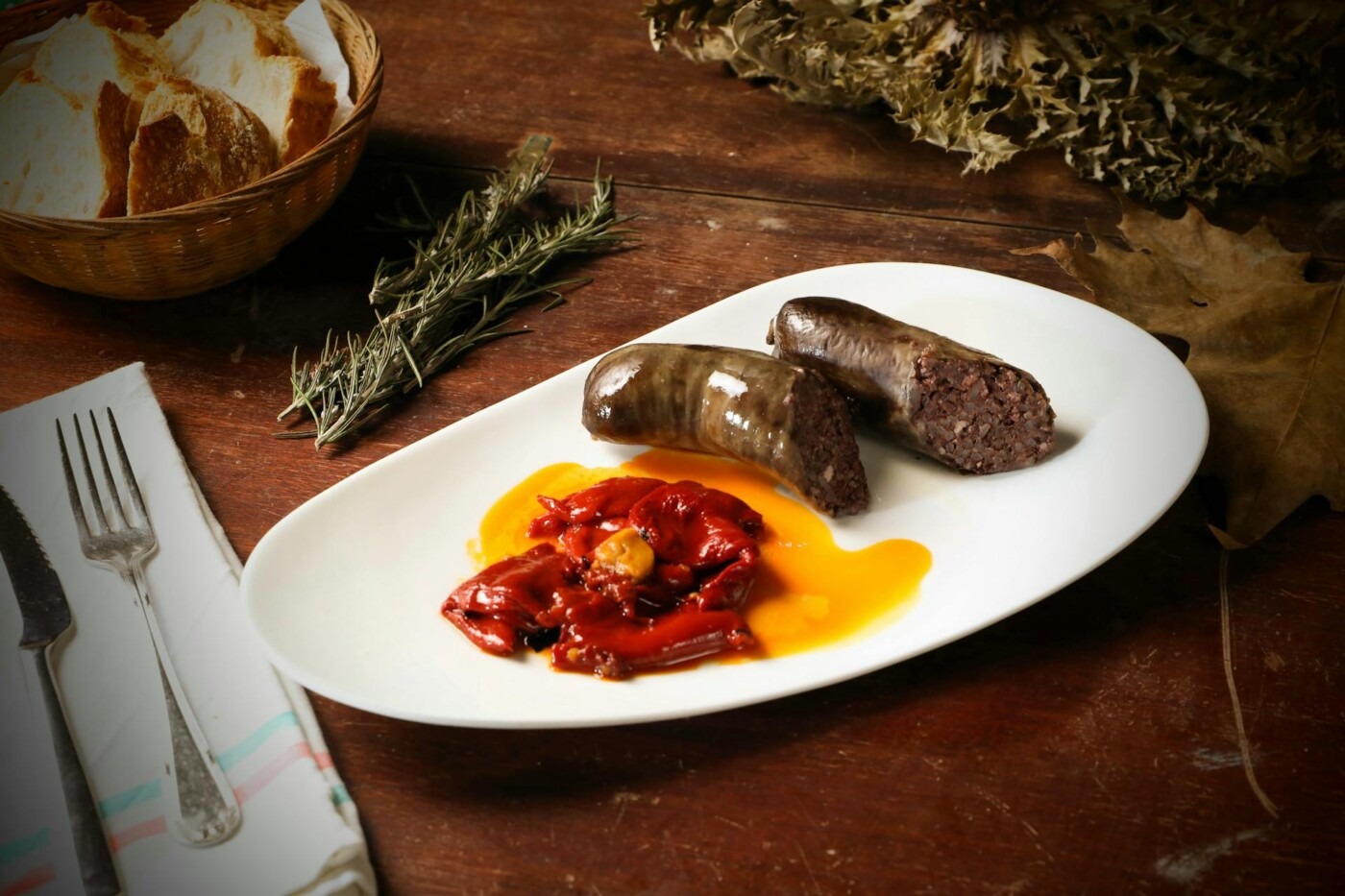
What’s Actually In Black Pudding
Black pudding is traditionally made from pork blood, oatmeal or barley, and suet, then seasoned and formed into a sausage shape. I know “blood” is the word that puts most people off before they’ve even tried it, but stick with me, because that’s also where a lot of the good stuff comes from.
Why It’s Better For You Than You’d Think
It’s genuinely high in iron. This is the one that surprised me most. Black pudding is one of the richest natural sources of iron you can eat, which matters more than people realise, especially if you’re someone (like me, like a lot of women) who tends to run low. I’m not saying swap your supplements for sausage, but it’s a useful thing to know is sat there on your plate doing some good.
It’s a proper source of protein. A decent slice gives you a solid protein hit alongside everything else, which is part of why a cooked breakfast with black pudding in it actually keeps me going longer than one without.
It’s got more going on nutritionally than people give it credit for. Alongside the iron and protein, you’re getting a bit of zinc, magnesium and some B vitamins too, depending on how it’s made. I’m not going to pretend it’s a superfood, because it isn’t, and I’m wary of anyone who tells you any single food is. But as far as the “naughty” foods on a fry-up go, it’s doing more for you than the hash browns are, and that’s saying something.
“But Isn’t It Bad For You?”
This is the bit people always come back with, and I get it, it does sound like it should be the unhealthiest thing on the plate. The truth is a bit more nuanced than that.
Yes, it’s higher in fat than, say, a poached egg. No, that doesn’t automatically make it something to avoid. Like most things (wine, chocolate, scrolling on your phone before bed), it’s about how much and how often, not whether it’s allowed at all. I have it now and then as part of a cooked breakfast, not every single day, and I don’t lose any sleep over it.
If you’re keeping an eye on carbs, it’s also worth knowing that black pudding is naturally low in them, which makes it a decent option if that’s something you’re thinking about. Not that I’m a nutritionist, I’d never claim to be, I’m just someone who likes to know what she’s eating and why.
How I Actually Eat It
Right, the bit you’re probably here for. My honest answer is: in a fry-up, sliced and fried until it’s got a bit of a crust on the outside. That’s it. That’s the bulk of how it turns up in my house.
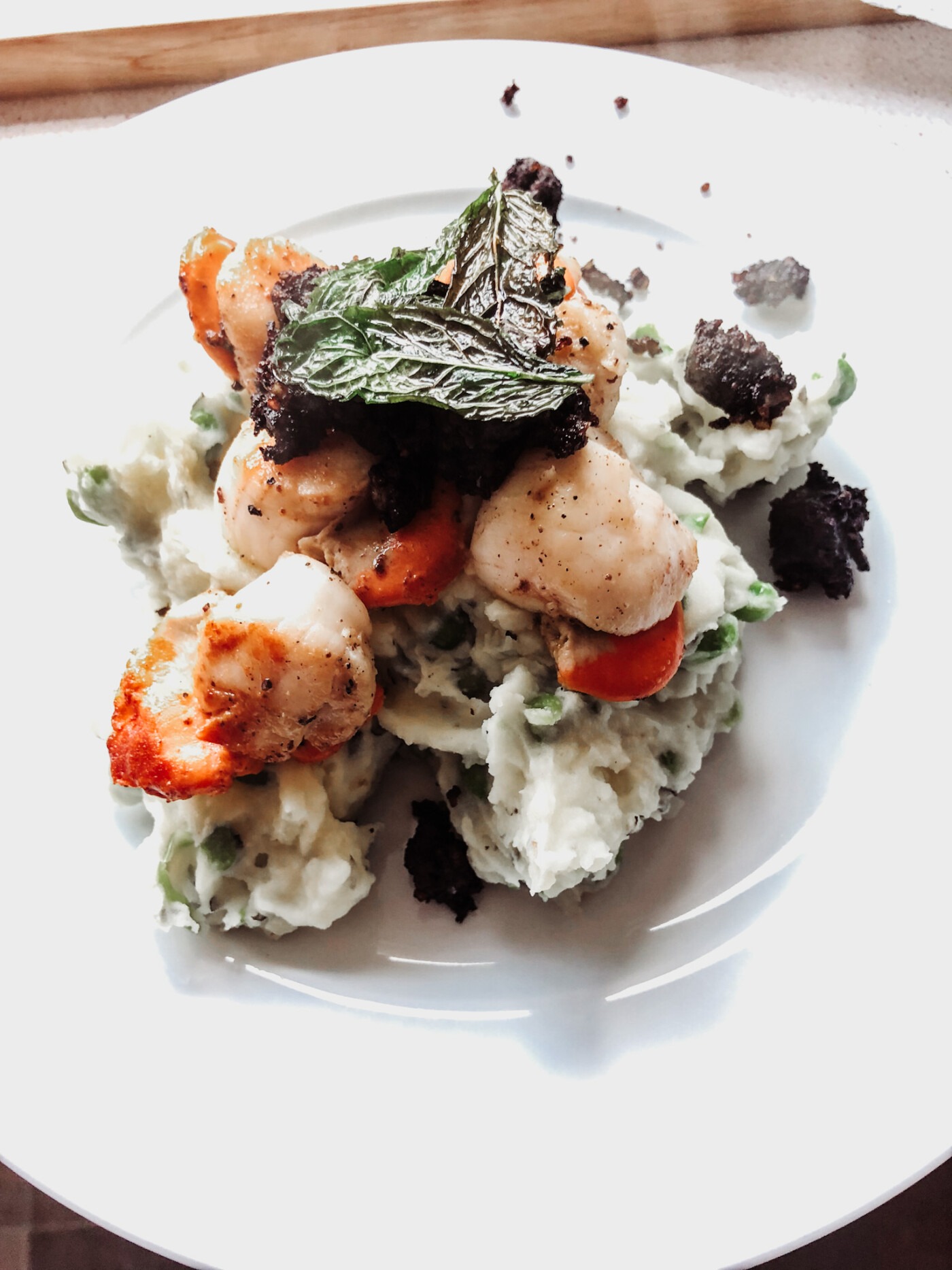
But if you fancy doing something a bit different with it, it’s worth knowing it works well crumbled into a salad for a savoury, slightly rich contrast (sounds odd, tastes brilliant), or paired with something like scallops if you’re after more of a “this is a proper meal” moment rather than a Saturday-morning plate of comfort.
A Few Things Worth Knowing Before You Tuck In
- It’s not the same everywhere, regional recipes vary quite a lot, so a black pudding from Bury will taste different to one from Stornoway, and both are different again to what you’ll find on a supermarket shelf.
- If you’re vegetarian or have dietary restrictions around blood products for religious or personal reasons, this obviously isn’t for you, and that’s completely fine, there’s no need to feel like you’re missing out on some essential food group.
- Buy from a butcher if you can. It tends to taste better and you can usually ask exactly what’s in it, which I always think is worth doing with anything you’re a bit unsure about.
So, Would I Recommend It?
Honestly? Yes, with the caveat that I know it’s not for everyone, and that’s alright. I’m not going to sit here and tell you it’ll change your life or that you’re missing out if you don’t fancy it (it’s a sausage, not a personality).
But if you’ve never tried it, or you wrote it off years ago because someone told you it was “just blood,” I’d say give it a fair go, ideally from a butcher rather than a packet, and see what you think. It might surprise you. It surprised me, and I grew up around the stuff.
What about you, team black pudding or absolutely not? Let me know in the comments; I love hearing where people land on this one.