Southern Europe’s coastal cities each carry a distinct rhythm shaped by architecture, public spaces, and everyday routines. Travelling between Spain and Portugal reveals how urban life changes along the Mediterranean and Atlantic coasts, while rail connections make it possible to move between these destinations without complicated planning.
Moving along Spain’s eastern coastline
Rail travel offers one of the simplest ways to explore Spain’s Mediterranean cities. Booking trains from Barcelona to Valencia allows travellers to move south along the coast in roughly three hours, depending on the service. Departures from Barcelona Sants connect directly to València Joaquín Sorolla, both positioned close to their respective city centres. The route combines coastal scenery with stretches of agricultural landscape, creating a gradual transition between Catalonia and the Valencian region. Travelling by rail removes the need for airport transfers and keeps the journey continuous from start to finish. Seating is reserved on many services, which makes the trip more predictable during busy travel periods. The flexibility of multiple daily departures also allows travellers to structure shorter or longer stays in each city. This route has become one of the most practical corridors in eastern Spain. It works particularly well for travellers focused on culture and urban exploration. The train itself becomes part of the broader Mediterranean experience.
Connecting Portugal’s major cities
Portugal’s rail network provides a similarly efficient connection between its northern and southern urban centres. Taking a train from Porto to Lisbon links the country’s two largest cities in just under three hours on faster services. Trains depart from Porto Campanhã and arrive at Lisboa Santa Apolónia or Oriente Station, depending on the route. The journey passes through smaller towns, riverside landscapes, and agricultural regions before reaching the capital. Portugal’s rail services move at a steadier pace than some high-speed routes elsewhere in Europe, but they remain comfortable and reliable. Large windows make it easy to observe the changing scenery between regions. This connection also highlights the contrast between Porto’s compact atmosphere and Lisbon’s broader urban layout. Rail travel simplifies movement between the cities while preserving a sense of continuity. It encourages slower travel focused on the experience itself. This approach fits naturally with Portugal’s overall pace.
Barcelona’s Gothic Quarter and layered history
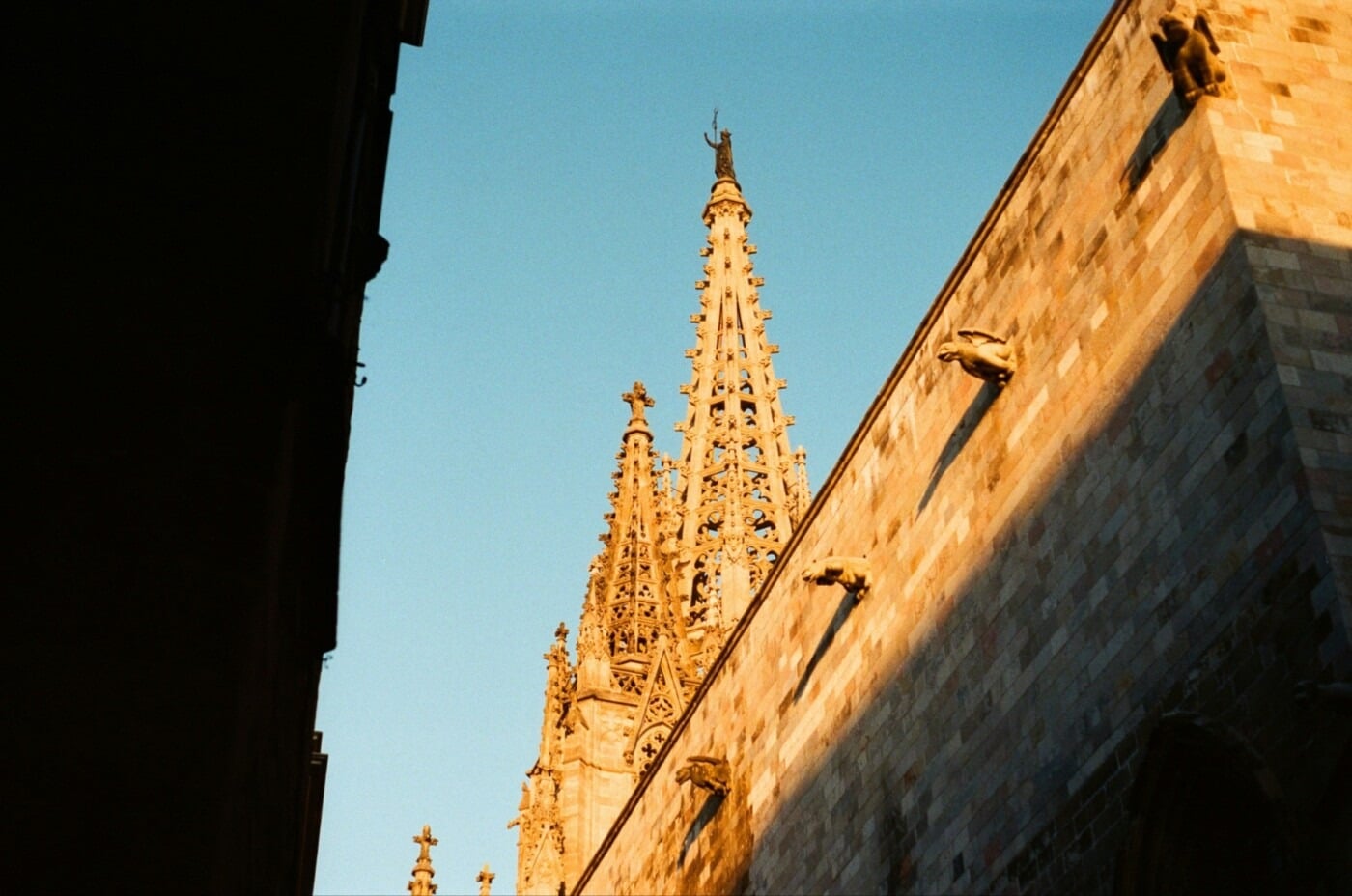
Barcelona combines coastal energy with centuries of architectural history, particularly within the Gothic Quarter. Narrow streets, small courtyards, and medieval buildings create a dense network of spaces that contrast with the city’s wider modern avenues. Landmarks such as Barcelona Cathedral remain central to the district, while smaller cafés and local shops fill the surrounding streets. Walking is the best way to explore the area, as many sections are inaccessible to vehicles. The Gothic Quarter also connects easily to other parts of the city, including the waterfront and El Born district. Public transport remains efficient for longer distances, though much of central Barcelona can be explored on foot. The atmosphere changes noticeably throughout the day, with quieter mornings and busier evenings. Layers of Roman, medieval, and modern history remain visible across short distances. This combination gives Barcelona a strong visual identity. The city functions equally well as a starting point or longer stop within a broader itinerary.
Valencia and the green corridor of Turia
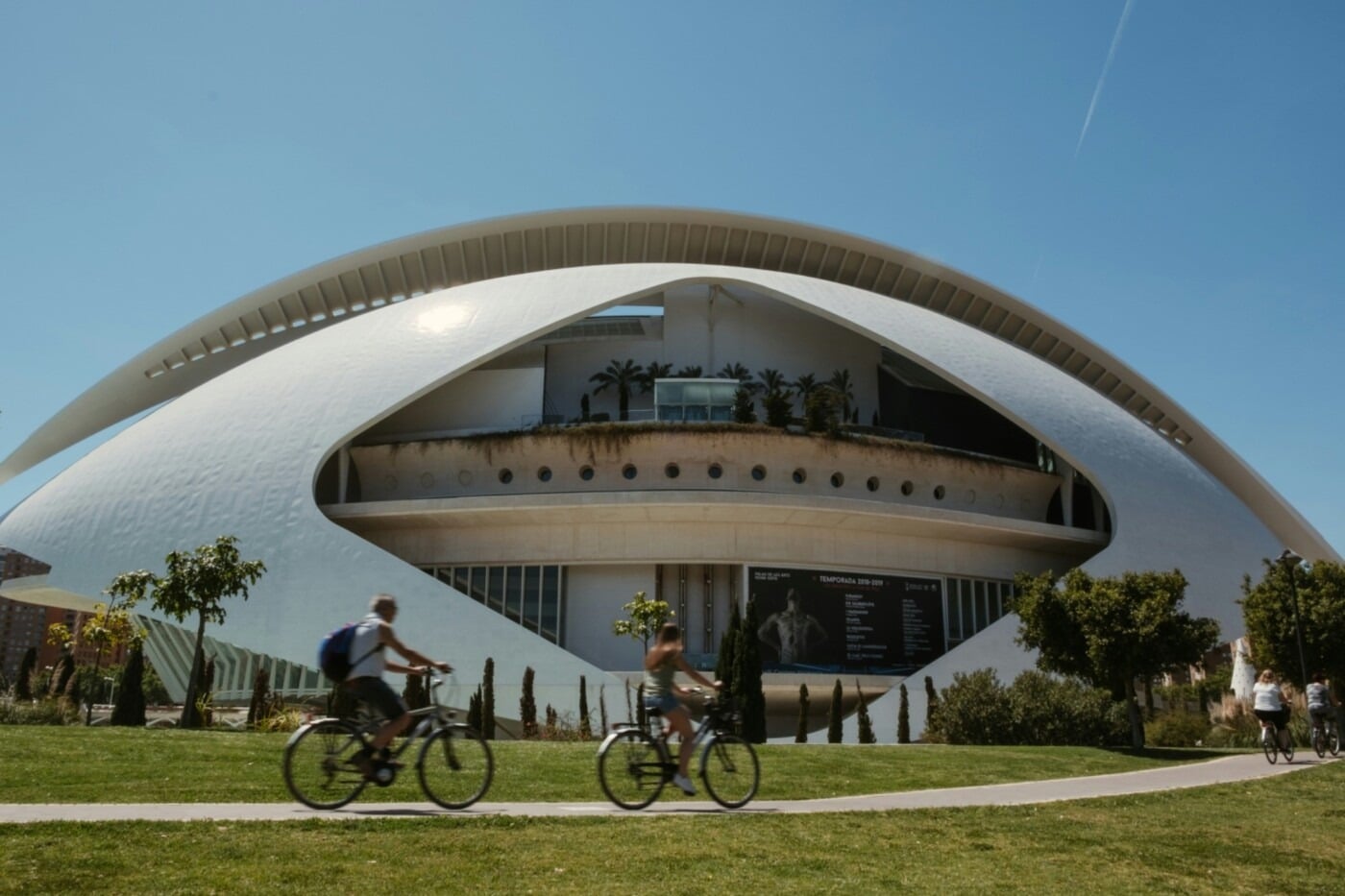
Valencia offers a different urban structure, shaped in part by the Turia Gardens that run across the city. Jardín del Turia was created within a former riverbed and now functions as a long green corridor connecting multiple districts. Walking or cycling through the gardens provides access to parks, sports facilities, museums, and residential neighbourhoods without relying heavily on roads. The City of Arts and Sciences forms one of the most recognisable sections of this route, introducing modern architecture into the landscape. Valencia’s pace is generally calmer than Barcelona’s, with broader streets and more open public spaces. Beaches remain accessible from the city centre, adding another dimension to daily life. The combination of greenery and urban infrastructure gives Valencia a balanced atmosphere. Public transport supports movement across the city, though many visitors prefer walking shorter distances. The Turia Gardens influence how residents and visitors experience the city overall. They shape Valencia’s identity as much as its historic centre does.
Lisbon’s hills and neighbourhood life
Lisbon introduces a different rhythm, defined by hills, viewpoints, and neighbourhoods connected through tram lines and steep streets. Districts such as Alfama and Bairro Alto maintain strong local identities despite increasing tourism. Belém Tower and the nearby Jerónimos Monastery reflect Portugal’s maritime history, while smaller streets reveal a more everyday side of the city. Lisbon’s layout encourages gradual exploration rather than strict itineraries. Elevation changes shape movement throughout the day, often leading travellers towards viewpoints overlooking the Tagus River. Public transport includes trams, metro lines, and funiculars adapted to the city’s terrain. Compared to Barcelona or Valencia, Lisbon feels less structured and more irregular in layout. This unpredictability becomes part of its appeal. The city balances historical architecture with active street life. Lisbon’s atmosphere often shifts noticeably between daytime and evening hours.
Porto’s riverside atmosphere
Porto contrasts with Lisbon through its smaller scale and closer connection to the Douro River. The Ribeira district, with its layered streets and riverside buildings, forms one of the city’s most recognisable areas. Bridges crossing the river connect Porto with Vila Nova de Gaia, where many wine cellars are located. The city’s compact structure allows most central areas to be explored on foot, though steep streets can slow movement. Porto feels quieter than Lisbon overall, particularly outside peak tourist periods. Cafés, markets, and smaller neighbourhoods shape much of the daily atmosphere. Public transport remains useful for outer districts, but the centre itself encourages slower walking routes. The connection between river, architecture, and public spaces defines the city’s identity. Porto provides a calmer contrast to larger capitals. It also works well as an introduction to northern Portugal.
Changing rhythms across Southern Europe
Travelling between Spain and Portugal reveals noticeable differences in how cities organise space and daily life. Barcelona’s density, Valencia’s open green corridors, Lisbon’s hills, and Porto’s riverside layout each shape movement in different ways. Rail connections help maintain continuity between these locations without interrupting the overall pace of the journey. The experience becomes less about moving quickly between destinations and more about observing gradual transitions in architecture, language, and atmosphere. Each city introduces a different relationship between public space and everyday routine. Together, they create a broader picture of Southern European urban life.
Bringing the route together
Exploring Barcelona, Valencia, Lisbon, and Porto by rail allows travellers to connect some of Southern Europe’s most distinctive cities through a continuous and manageable route. The combination of historic districts, public spaces, coastal scenery, and efficient transport creates a journey that balances structure with flexibility.