Looking for children’s fairy garden ideas? You’ve come to the right place. Creating your own fairy garden is a wonderful way to encourage imaginative play, get kids outdoors, and tap into your inner child. Whether you’re planning an outdoor garden, a small indoor fairy garden, or a simple fairy garden in a teacup, this guide covers everything you need to know to create the perfect fairy garden with your little ones.
Quick Answer: A children’s fairy garden is a miniature garden featuring fairy houses, tiny accessories, small plants, and natural materials. You can create one in containers, flower pots, or outdoor garden spaces using items from the dollar store, craft stores, or natural elements from nature walks. They’re perfect for encouraging imaginative play and cost as little as £10-15 to get started.
We have a woodland area in our garden, and I’m on my way to turning it into a fairy garden of my own!
- What Is a Fairy Garden?
- Getting Started: What You Need
- 20+ Great Fairy Garden Ideas for Children
- 1. Simple Outdoor Fairy Garden
- 2. Container Fairy Garden
- 3. Indoor Fairy Gardens
- 4. Teacup Fairy Garden
- 5. Succulent Fairy Garden
- 6. Nature Fairy Garden
- 7. Fairy Garden Kits
- 8. Broken Pot Fairy Garden
- 9. Fairy Door Garden
- 10. Themed Fairy Gardens
- 11. Vertical Fairy Garden
- 12. Seasonal Fairy Gardens
- 13. Fairy Garden in Plastic Bottles
- 14. Fairy Garden with Real Plants vs Artificial
- 15. Miniature Garden Furniture DIY
- 16. Water Feature Fairy Garden
- 17. Fairy Garden Lights
- 18. Sensory Fairy Garden
- 19. Portable Fairy Garden
- 20. Community Fairy Garden
- Step-by-Step: Creating Your First Fairy Garden
- Budget-Friendly Children’s Fairy Garden Ideas
- Best Plants for Children’s Fairy Gardens
- Common Mistakes to Avoid
- Encouraging Imaginative Play with Fairy Gardens
- Fairy Gardens for Different Ages
- Frequently Asked Questions
- Final Thoughts: Creating Magic with Your Children

What Is a Fairy Garden?
A fairy garden is a miniature garden designed to attract garden fairies and create a magical little scene for children’s play. These enchanting displays combine live plants, fairy garden accessories, and natural items to build a tiny world where imagination runs wild.
The best part? There’s no right or wrong way to create a fairy garden. Whether you go big with a fairy village in your outdoor garden or keep it simple with a dish garden on your windowsill, fairy gardens adapt to any space and budget.
Why Children Love Fairy Gardens:
- Encourages imaginative play and storytelling
- Provides hands-on creative experience
- Perfect for short attention spans (can be done in stages)
- Combines crafting, gardening, and nature
- Creates a magical space that’s truly their own
- Wonderful way to spend quality time together
Getting Started: What You Need
Before we dive into specific children’s fairy garden ideas, let’s cover the basics. The beauty of fairy gardens is that you don’t need much to get started.
Essential Supplies
Container Options:
- Flower pot (any size works)
- Shallow planter or large container
- Whiskey barrel planter for bigger projects
- Tea cups for teacup fairy gardens
- Tall containers for indoor fairy container gardens
- Fun containers like old buckets or wooden boxes
Planting Materials:
- Potting soil
- Small plants (succulents, moss, dwarf mondo grass)
- Layer of rocks for drainage
- Ground cover plants
- Air plants for low-maintenance options
Fairy Garden Accessories:
- Fairy houses or fairy doors
- Miniature trees
- Tiny accessories (furniture, animals, tools)
- Pebble path materials
- Natural materials from nature walks
Where to Source Supplies:
- Dollar store or Dollar Tree for budget basics
- Craft stores for miniature accessories
- Local nursery for the best plants
- Thrift store for unique containers
- Flea markets for vintage finds
- Nature walks for pine cones, small sticks, and stones
The wonderful thing about fairy gardens is that you can work within any budget. I’ve seen magical fairy gardens created almost entirely from natural items and recycled materials!
20+ Great Fairy Garden Ideas for Children
1. Simple Outdoor Fairy Garden
Best For: Beginners and families with garden spaces
Start with a small garden bed or a corner of your outdoor garden. This is a great way to introduce children to gardening whilst creating something magical.
How to Create:
- Choose a spot with partial shade
- Clear the area and add fresh soil
- Plant small plants as the “trees” and “forest”
- Add a little fairy house made from natural materials
- Create a pebble path leading to the fairy home
- Include a stone wall boundary using flat rocks
- Let children arrange tiny accessories
Why It Works: Outdoor fairy gardens become part of your garden landscape, and children can visit their fairy friends daily during outdoor adventures.
2. Container Fairy Garden
Best For: Renters, small spaces, and portability
A large container gives you complete control and allows you to move your fairy display wherever needed.
Container Ideas:
- Terracotta flower pots (various sizes)
- Wooden whiskey barrel planter
- Vintage tin buckets
- Old wheelbarrows
- Ceramic bowls
Top Tip: Consider the size of your container when planning. Larger containers allow more elaborate scenes, whilst smaller ones work perfectly for simple fairy gardens.
3. Indoor Fairy Gardens
Best For: Year-round enjoyment and apartment dwellers
An indoor fairy container garden brings the magic inside and works brilliantly in British weather!
How to Create an Indoor Fairy Garden:
- Use a shallow planter with drainage holes
- Choose small plants (succulents, air plants, moss)
- Add a layer of rocks at the bottom for drainage
- Keep it near natural light
- Water sparingly (the number one killer of indoor gardens!)
- Use LED fairy lights for extra magic
Best Plants for Indoor Gardens:
- Succulents (low maintenance, loads of variety)
- African violets (pretty flowers)
- Dwarf mondo grass (grass-like texture)
- Baby tears (ground cover)
- Miniature ferns
- Air plants (no soil needed!)
4. Teacup Fairy Garden
Best For: Tiny spaces and gift-giving
A teacup fairy garden is absolutely adorable and makes a perfect addition to a child’s bedroom windowsill.
How to Create:
- Find vintage tea cups at thrift stores
- Add small drainage holes (if possible) or use activated charcoal
- Layer: rocks, activated charcoal, soil
- Plant one tiny succulent or air plant
- Add miniature accessories scaled to size
- Create a little scene with a tiny door and perhaps a toadstool
Cost: Under £5 using charity shop finds and Dollar Tree accessories!
5. Succulent Fairy Garden
Best For: Low-maintenance magic and forgetful waterers (guilty!)
Succulents are brilliant for children’s fairy gardens because they’re nearly indestructible and come in amazing colours and shapes.
Why Succulents Work:
- Survive neglect beautifully
- Interesting shapes resemble miniature trees
- Available everywhere, including supermarkets
- Affordable (often £2-3 each)
- Perfect for indoor or outdoor gardens
Design Ideas:
- Create a desert fairy scene with sand and rocks
- Use white sand to create “pathways”
- Add cacti as “trees” in the fairy village
- Paint terracotta pots in bright colours
6. Nature Fairy Garden
Best For: Budget-conscious families and nature lovers
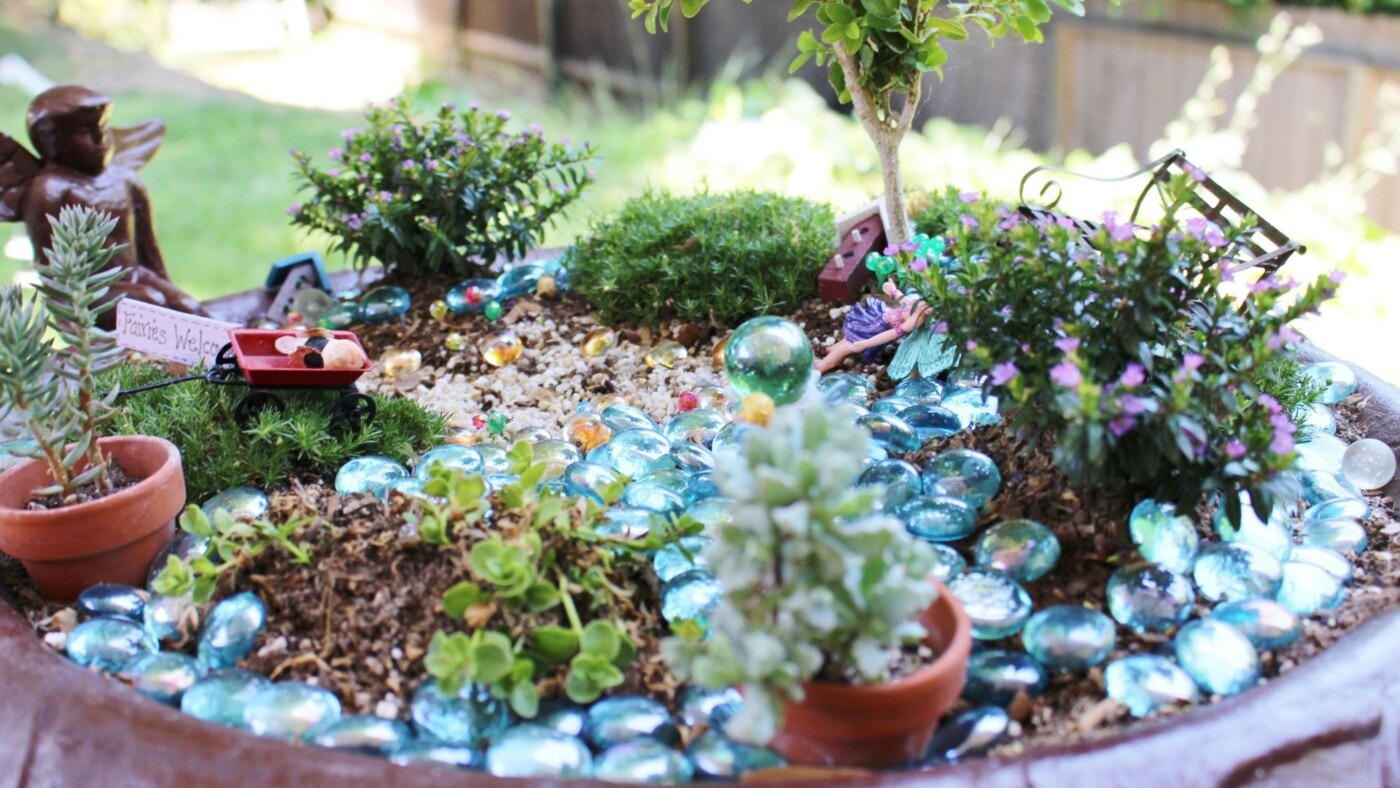
This is my favourite type of fairy garden because it costs practically nothing and connects children with the natural world. After a nature walk, transform your finds into magical creations.
Natural Materials to Collect:
- Pine cones (make excellent fairy houses!)
- Small sticks and twigs (furniture, fences)
- Moss (ground cover)
- Flower petals (fairy beds, decorations)
- Stones and pebbles (paths, walls)
- Acorns (cups, tables)
- Bark pieces (roofing, walls)
- Seed pods (decorations)
- Feathers (soft furnishings)
How to Create:
- Use a large container or outdoor spot
- Create fairy houses from pine cones and hot glue
- Build furniture from small sticks and a piece of twine
- Make a picnic table from popsicle sticks
- Form a stone wall boundary
- Add natural elements throughout
Why It’s Brilliant: Completely free, encourages nature exploration, biodegradable, and constantly evolving as children find new treasures.
7. Fairy Garden Kits
Best For: Gift-giving and instant gratification
Whilst I usually prefer the DIY route, fairy garden kits are a good option for busy parents or as gifts. They include everything needed to create a complete fairy display.
What’s Typically Included:
- Container or planter
- Fairy garden houses
- Miniature accessories
- Sometimes seeds or small plants
- Instructions
Where to Buy: Garden centres, Amazon, craft stores
Cost: £15-50 depending on size and quality
My Take: Kits are convenient, but half the fun is hunting for fairy garden supplies together! However, they’re perfect for short attention spans and guaranteed success.
8. Broken Pot Fairy Garden
Best For: Upcycling and creating multi-level scenes
Got a broken flower pot? Don’t bin it! Broken pots create magical tiered fairy villages.
How to Create:
- Break a large terracotta pot strategically (safely!)
- Layer the broken pieces to create “levels”
- Fill with soil and plant
- Place fairy houses on different levels
- Create tiny paths between levels
- Add miniature trees and accessories
Safety Note: Adults should handle the pot-breaking, and smooth any sharp edges before letting little hands help.
9. Fairy Door Garden
Best For: Adding mystery and encouraging storytelling
Sometimes the simplest fairy garden ideas are the best. A single fairy door attached to a tree or wall creates instant magic.
How to Create:
- Purchase or craft a little door
- Attach to tree, fence, or garden wall
- Add a tiny path leading to the door
- Place miniature accessories nearby
- Leave “fairy mail” occasionally for extra magic
Where to Find Fairy Doors:
- Craft stores (£5-15)
- Etsy for handmade options
- DIY using popsicle sticks and Mod Podge
- Garden centres
The Magic: Children love checking for signs of fairy activity!
10. Themed Fairy Gardens
Best For: Matching interests and extending play
Create fairy gardens based on your child’s interests or favourite stories.
Theme Ideas:
- Beach fairy garden (sand, shells, blue glass “water”)
- Woodland fairy garden (moss, tiny toadstools, forest animals)
- Vegetable garden fairy (miniature vegetables made from polymer clay)
- Fairy tea party (tiny teacups, picnic table, chairs)
- Fairy school garden (tiny desks, books made from paper)
- Fairy camping scene (tiny teepees, campfire, logs)
11. Vertical Fairy Garden
Best For: Small outdoor spaces and walls
Create a fairy village going up instead of out using wall-mounted planters or a vertical garden structure.
How to Create:
- Mount small planters at different heights
- Connect with a winding path drawn on the wall
- Add fairy doors at various levels
- Use trailing plants to connect the levels
- Place fairy houses in each planter
12. Seasonal Fairy Gardens
Best For: Keeping interest alive year-round
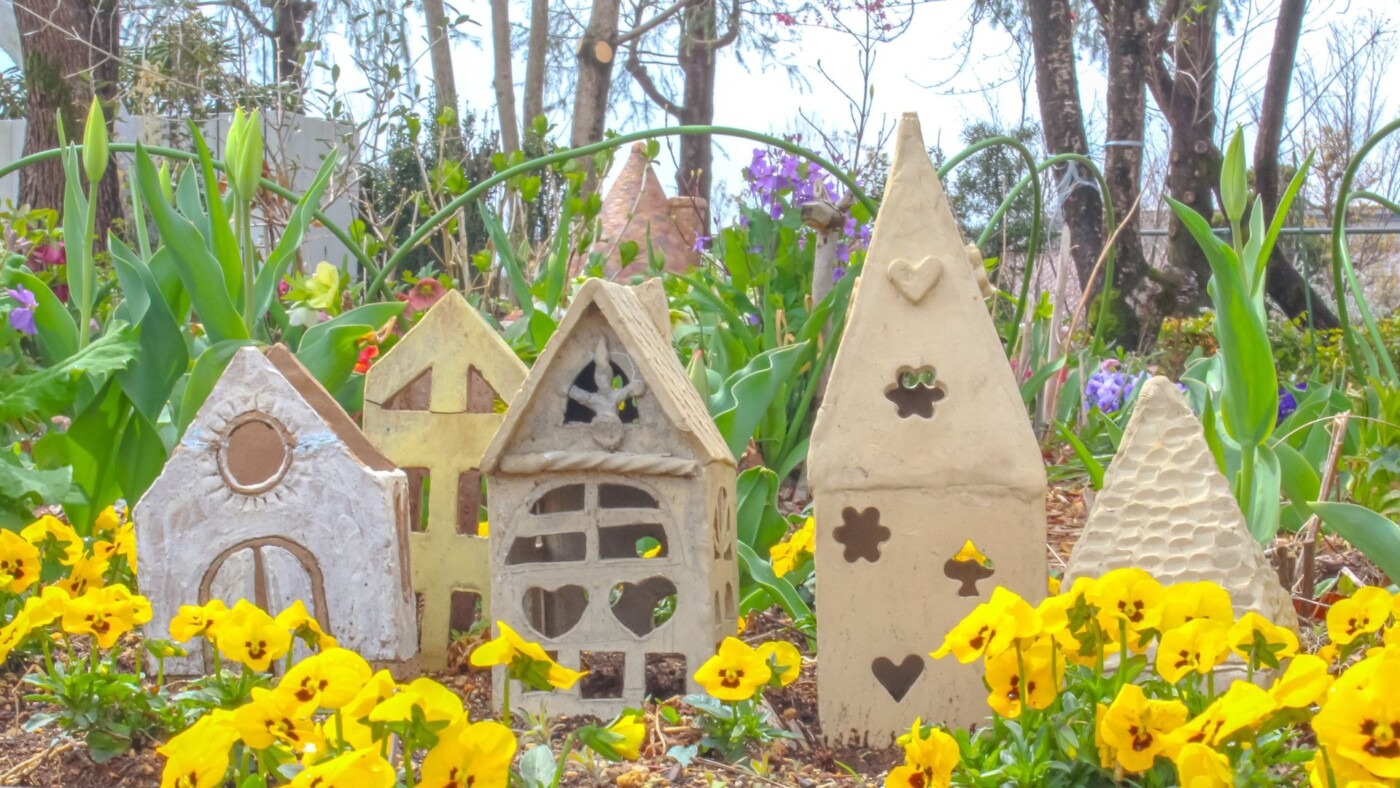
Change your fairy display with the seasons using different natural elements and decorations.
Spring: Flower petals, pastel colours, Easter-themed accessories Summer: Bright flowers, beach elements, picnic scenes
Autumn: Orange and red leaves, tiny pumpkins, acorns Winter: Evergreens, white sand “snow”, winter fairy houses
13. Fairy Garden in Plastic Bottles
Best For: Upcycling and school gardens
Large plastic bottles make excellent terrariums for small indoor fairy gardens.
How to Create:
- Cut a large plastic bottle horizontally
- Add drainage holes
- Layer rocks, activated charcoal, soil
- Plant small plants
- Add miniature accessories
- Can be sealed for a terrarium effect
Perfect For: School gardens or classroom projects.
14. Fairy Garden with Real Plants vs Artificial
Best For: Understanding your commitment level
Both real plants and artificial elements have their place in fairy gardens.
Live Plants:
- More authentic and educational
- Teach responsibility
- Change and grow over time
- Require maintenance
Artificial Options:
- Zero maintenance
- Good option for very young children
- Last indefinitely
- Can look less natural
My Recommendation: Use real plants when possible, but don’t feel guilty about mixing in artificial elements. The goal is fun, not perfection!
15. Miniature Garden Furniture DIY
Best For: Crafty families and rainy days
Making your own fairy garden accessories is much fun and saves money!
Easy DIY Projects:
Twig Furniture:
- Gather small sticks from garden
- Cut to size using scissors or secateurs
- Bind with a piece of twine or hot glue
- Create chairs, benches, fences, arbours
Popsicle Stick Creations:
- Picnic table
- Tiny benches
- Little door
- Garden gate
- Miniature ladder
Wine Cork Projects:
- Cut in half for stools
- Add toothpick legs for tables
- Slice thin for stepping stones
- Carve into tiny mushrooms
Painted Rock Decorations:
- Paint stones as toadstools
- Create ladybirds or bees
- Make “welcome” signs
- Design stepping stones
16. Water Feature Fairy Garden
Best For: Adding movement and interest
Even a tiny water feature adds magic to fairy gardens.
Simple Options:
- Shallow dish sunk into soil
- Mirror “pond” (no water, just reflection)
- Small solar fountain
- Blue glass beads or marbles for “water”
Safety Consideration: If using real water with young children, keep it very shallow.
17. Fairy Garden Lights
Best For: Evening magic and year-round enjoyment
Adding lights transforms your fairy display into something truly enchanting.
Lighting Options:
- Battery-operated LED fairy lights (safest)
- Solar garden lights (eco-friendly)
- Glow-in-the-dark paint on accessories
- Tea lights in safe containers (supervision required)
Where to Place Lights:
- Inside fairy houses
- Along pebble paths
- Around miniature trees
- Throughout the fairy village
Cost: LED fairy lights from £3-8 on Amazon or at Poundland.
18. Sensory Fairy Garden
Best For: Younger children and special needs
Create a fairy garden that engages all the senses.
Sensory Elements:
- Touch: Different textures (moss, smooth stones, rough bark)
- Smell: Fragrant herbs (lavender, thyme, mint)
- Sight: Colourful flowers and accessories
- Sound: Wind chimes, small bells
- Taste: Edible flowers or herbs they can pick
19. Portable Fairy Garden
Best For: Taking the magic on holidays or to grandparents
Create a fairy garden in a small container with a lid that travels well.
Container Ideas:
- Wooden box with handles
- Vintage suitcase
- Large tin with lid
- Plastic storage container
Benefits: Children can play with their fairy garden anywhere, and it’s a great addition to car journeys!
20. Community Fairy Garden
Best For: Shared spaces and teaching cooperation
Create a larger fairy village where each child contributes a section.
Great for:
- School gardens
- Community centres
- Large families
- Playdates
How It Works: Each child designs and maintains their own fairy home within the larger fairy village, encouraging both creativity and responsibility.
Step-by-Step: Creating Your First Fairy Garden
Let me walk you through creating a simple fairy garden from start to finish. This is perfect for beginners and adaptable to your own style.
What You’ll Need:
- Medium-sized flower pot (20-30cm diameter)
- Potting soil
- 2-3 small plants or succulents
- Handful of small stones
- Fairy house (shop-bought or DIY)
- Miniature accessories (a few pieces)
- Natural materials from garden
Step 1: Prepare Your Container
Add a layer of rocks to the bottom of your flower pot for drainage. This is crucial for keeping plants healthy! Fill with potting soil, leaving about 3-4cm space at the top.
Step 2: Plan Your Layout
Before planting, arrange everything on top to visualise the little scene. Where will the fairy house go? Where’s the path? This planning stage is great fun for children and prevents regrets later!
Step 3: Plant Your Garden
Plant your small plants first, starting with the largest. Pat soil firmly around roots. Remember: these plants represent trees and forests in your miniature garden, so think about scale.
Step 4: Add Structure
Place your fairy house in position. Add any stone walls, fences, or larger accessories. Create a pebble path using tiny stones leading to the little door of your fairy home.
Step 5: Accessorise
This is where the magic happens! Add all your tiny accessories, natural elements, and finishing touches. Let children arrange these—their creativity might surprise you!
Step 6: Finishing Touches
Add moss as ground cover around plants, sprinkle flower petals for colour, and place any final natural items. Step back and admire your creation!
Step 7: Maintenance
Water carefully (less is more with fairy gardens), remove dead leaves, and encourage children to rearrange accessories as they play. Part of the fun is the evolving nature of fairy gardens.

Budget-Friendly Children’s Fairy Garden Ideas
Creating fairy gardens doesn’t require spending a fortune. Here are my best money-saving tips:
Free or Nearly Free Options
Nature Walk Finds:
- All natural materials (stones, sticks, pine cones, moss)
- Seed pods and acorn caps
- Flower petals and leaves
- Small pieces of bark
- Interesting twigs
Upcycled Items:
- Broken pottery pieces
- Old jewellery as accessories
- Bottle caps as tables
- Wine corks for furniture
- Plastic bottles for containers
- Cardboard for structures
DIY Accessories:
- Make fairy houses from popsicle sticks
- Create furniture from small sticks
- Paint stones as decorations
- Use hot glue to assemble natural items
- Craft with Mod Podge and scrap materials
Where to Shop Smart
Dollar Tree/Poundland: Brilliant for basic accessories, small containers, and craft supplies. You’d be amazed what you can find for £1!
Craft Stores Sales: Hobbycraft and similar stores run frequent sales on fairy garden supplies. Sign up for emails to catch 40-50% off deals.
Thrift Stores: Charity shops are treasure troves for unique containers, vintage tea cups, and quirky accessories that work perfectly in fairy gardens.
Car Boot Sales/Flea Markets: Saturday morning car boots often have gardening items, small pots, and vintage accessories for pennies.
Online Marketplaces: Facebook Marketplace and Freecycle often have free plants and containers from people clearing gardens.
Budget Breakdown
Minimal Budget (Under £10):
- Container from home or charity shop: Free-£2
- Soil from garden or small bag: Free-£2
- Plants from garden or supermarket: Free-£3
- Natural materials: Free
- DIY accessories: Free-£3
Moderate Budget (£15-25):
- New planter: £5-10
- Quality potting soil: £3-5
- 3-4 nice plants: £6-12
- Few shop-bought accessories: £3-5
- Natural materials: Free
Generous Budget (£30-50):
- Quality large container: £10-20
- Proper fairy garden soil mix: £5-8
- Selection of best plants: £10-15
- Fairy garden houses and accessories: £10-15
- Fairy lights: £3-5
Best Plants for Children’s Fairy Gardens
Choosing the right plants makes a massive difference to your fairy garden’s success. According to the <a href=”https://www.rhs.org.uk/plants/types/alpines/miniature-gardens”>Royal Horticultural Society</a>, selecting plants appropriate for miniature gardens ensures long-term success. Here are my recommendations:
For Outdoor Gardens
Ground Cover:
- Dwarf mondo grass (looks like tiny lawn)
- Creeping thyme (fragrant, walks on it release scent)
- Irish moss (soft, bright green)
- Sedum varieties (low-growing, colourful)
Miniature Trees:
- Miniature conifers
- Small hebes
- Dwarf boxwood
- Baby’s tears trained upward
Flowers:
- Miniature roses
- Small pansies
- Lobelia (trailing)
- Alyssum (delicate white flowers)
For Indoor Gardens
Best Indoor Options:
- Succulents (nearly impossible to kill!)
- Air plants (no soil required)
- African violets (pretty flowers)
- Miniature ferns
- Nerve plants (colourful leaves)
Easy-Care Options for Beginners
If you’re new to gardening or working with young children, stick with these foolproof options:
- Any succulent variety
- Spider plants (grow babies you can separate)
- Pothos (trails beautifully)
- Moss (just keep moist)
Where to Buy: Your local nursery will have the best plants and can offer advice specific to your area. Supermarkets often have great bargains on small plants too!
Common Mistakes to Avoid
Learn from my mishaps so you don’t repeat them!
Overwatering
The number one killer of fairy gardens! Children love watering (I know mine do), but too much water drowns roots. Use a spray bottle instead of a watering can, and let the soil dry between waterings.
Wrong Container Size
Too small and you can’t fit much in; too large and young children lose interest before completing it. A 20-30cm diameter pot is the sweet spot for beginners.
Overcrowding
Resist the urge to cram everything in! Plants need room to grow, and overcrowding looks cluttered. Less is more—you can always add accessories later.
Ignoring Drainage
Without proper drainage, water sits at the bottom causing root rot. Always add drainage holes or a layer of rocks at the bottom.
Wrong Light Conditions
Match plants to your location. Full sun plants won’t survive indoors; shade plants will struggle in blazing sun. Check plant labels!
Too Complicated First Time
Start simple! A basic fairy house, a few plants, and some natural materials create plenty of magic. You can expand once you’ve mastered the basics.
Expecting Perfection
Fairy gardens are meant to be fun and slightly wild. If your child puts the fairy house upside down or creates a “garden” that’s more chaos than design, that’s absolutely fine. It’s their creation!
Encouraging Imaginative Play with Fairy Gardens
The best part of fairy gardens isn’t the finished product—it’s the imaginative play they inspire. Here’s how to encourage this:
Create Story Opportunities
- Ask: “What’s the fairy’s name?”
- Wonder: “Where do they go during the day?”
- Question: “What do they eat?”
- Imagine: “What adventures do they have?”
Leave “Fairy Mail”
Occasionally leave tiny notes from the fairies thanking children for the lovely garden, requesting something specific, or leaving a tiny gift. This maintains the magic and extends the play value.
Take Photos
Document your fairy garden journey. Children love seeing how their garden evolves, and these photos become lovely memories.
Seasonal Changes
Refresh the garden with seasons, giving children ongoing engagement and teaching them about nature’s cycles.
Invite Friends Over
Fairy gardens are wonderful for playdates. Children can create stories together, and seeing friends’ different interpretations inspires new ideas.
Fairy Gardens for Different Ages
Tailor your approach to your child’s age and abilities:
Ages 2-4
- Focus on sensory elements and simple activities
- Supervised play essential
- Large accessories (no choking hazards)
- Expect “helping” that might destroy things (totally normal!)
- Choose unbreakable containers
- Skip tiny pieces
Ages 5-7
- Can participate in most aspects with supervision
- Beginning to care for plants themselves
- Love arranging and rearranging accessories
- Perfect age for nature fairy gardens
- Can help with simple DIY projects
- Engage with imaginative play fully
Ages 8-12
- Can create and maintain independently
- Interested in more complex designs
- May prefer themed gardens
- Can handle hot glue with supervision
- Might enjoy fairy garden photography
- Beginning to tap into that inner child nostalgia
Teenagers
- May claim they’re “too old” but secretly love it
- Appreciate sophisticated, Pinterest-worthy designs
- Excel at DIY fairy garden accessories
- Can create truly impressive fairy villages
- Perfect for stress relief and mindfulness
- Don’t force it—let them come to it naturally
Frequently Asked Questions
How much does it cost to create a children’s fairy garden?
You can create a basic fairy garden for under £10 using items from around your home, natural materials, and Dollar Tree accessories. More elaborate gardens with quality plants and accessories typically cost £20-40. The great thing about fairy gardens is they work with any budget!
What are the best containers for fairy gardens?
Any container works! Popular options include flower pots (12-30cm diameter), shallow planters, tea cups for miniature versions, wooden boxes, vintage tins, or even broken pottery. Just ensure adequate drainage for live plants.
Can you create fairy gardens indoors?
Absolutely! Indoor fairy gardens work brilliantly using shallow planters, small plants suited to indoor conditions (succulents, air plants, African violets), and good natural light. They’re perfect for year-round enjoyment regardless of British weather!
What plants work best in children’s fairy gardens?
For outdoor gardens: dwarf mondo grass, creeping thyme, sedums, and miniature conifers. For indoor gardens: succulents, air plants, and small ferns. Succulents are the most forgiving option for beginners and children learning plant care.
Where can I buy fairy garden supplies cheaply?
Dollar Tree, Poundland, and discount stores offer excellent basics for £1-2. Charity shops have unique containers and vintage finds. Craft stores during sales, garden centre clearance sections, and car boot sales are great sources. Natural materials from nature walks are completely free!
How do you maintain a fairy garden?
Water sparingly (overwatering is the main issue), remove dead plant material, trim plants as needed, and replace accessories that break. Outdoor gardens need weeding and seasonal refreshing. Most maintenance takes just 5-10 minutes weekly.
Are fairy gardens suitable for boys?
Absolutely! Fairy gardens appeal to all children regardless of gender. Many boys love creating “gnome gardens,” “dinosaur gardens,” or adventure-themed miniature worlds. The imaginative play aspect transcends traditional gender boundaries.
What age is appropriate for fairy gardens?
From age 2 upwards, with age-appropriate supervision and activities. Toddlers enjoy sensory play and simple arrangements, whilst older children can handle complex designs and full care. Even teenagers and adults love fairy gardens—they’re ageless!
How long do fairy gardens last?
With proper care, outdoor fairy gardens can last years, evolving with seasons. Indoor gardens typically last several months before needing refreshing. Accessories last indefinitely, and the container can be reused multiple times.
Can you make fairy houses from household items?
Yes! Pine cones, popsicle sticks, cardboard, wine corks, small sticks, and plastic bottles all make excellent fairy homes. With hot glue, Mod Podge, and imagination, you can create wonderful fairy houses from materials you already have.
Final Thoughts: Creating Magic with Your Children
Creating children’s fairy garden ideas isn’t really about the perfect miniature garden or the most elaborate fairy village. It’s about spending quality time with your children, encouraging their imagination, connecting with nature, and creating something magical together.
I love that fairy gardens scale to any budget, space, or skill level. Whether you’re creating a simple fairy garden in a teacup on a rainy afternoon or spending a sunny weekend building an elaborate outdoor fairy village, the magic is in the process and the memories you create.
The best fairy garden ideas are the ones that make your children’s eyes light up with wonder. Sometimes that’s an intricate display with every tiny accessory perfectly placed. Other times it’s a muddy little scene cobbled together from garden finds and imagination. Both are equally magical.
For more creative inspiration on gardening with children, <a href=”https://www.gardenersworld.com/projects/family/”>BBC Gardeners’ World</a> offers excellent family gardening projects. The <a href=”https://www.nationaltrust.org.uk/discover/nature/gardening-with-kids”>National Trust</a> also provides wonderful resources for engaging children with nature through gardening activities.
Ready to Start Your Fairy Garden Journey?
Grab a container, head outside for a nature walk to collect materials, and let your children’s imagination guide you. Remember: there’s no such thing as a “wrong” fairy garden. The perfect fairy garden is the one that makes your child smile.
Have you created fairy gardens with your children? I’d love to hear about your experiences and see photos! Share your fairy garden ideas in the comments below.
Related Posts You Might Enjoy:
Disclosure: This post contains affiliate links, which means I may earn a small commission if you make a purchase through these links at no extra cost to you. I only recommend products I genuinely believe in and would use myself.
Last updated: October 2025