I never considered dyslexia as being part of being neurodivergent until Hanah on the 2024 Big Brother said she was neurodivergent as she was dyslexic. As I’ve got a dyslexia diagnosis myself (this explains all the spelling errors in my posts!) it got me searching: Does being dyslexic mean you are neurodivergent?
Dyslexia affects how the brain processes information and causes specific learning differences.
- What Does It Mean to Be Neurodivergent?
- Dyslexia as a Neurodivergent Condition
- Brain Differences in Dyslexia
- Strengths and Unique Perspectives of Dyslexic Individuals
- Addressing Stigma and Misconceptions
- Support and Accommodations for Dyslexic Individuals
- Empowering Neurodivergent Communities
- How Dyslexia Impacts Me
- Conclusion
What Does It Mean to Be Neurodivergent?
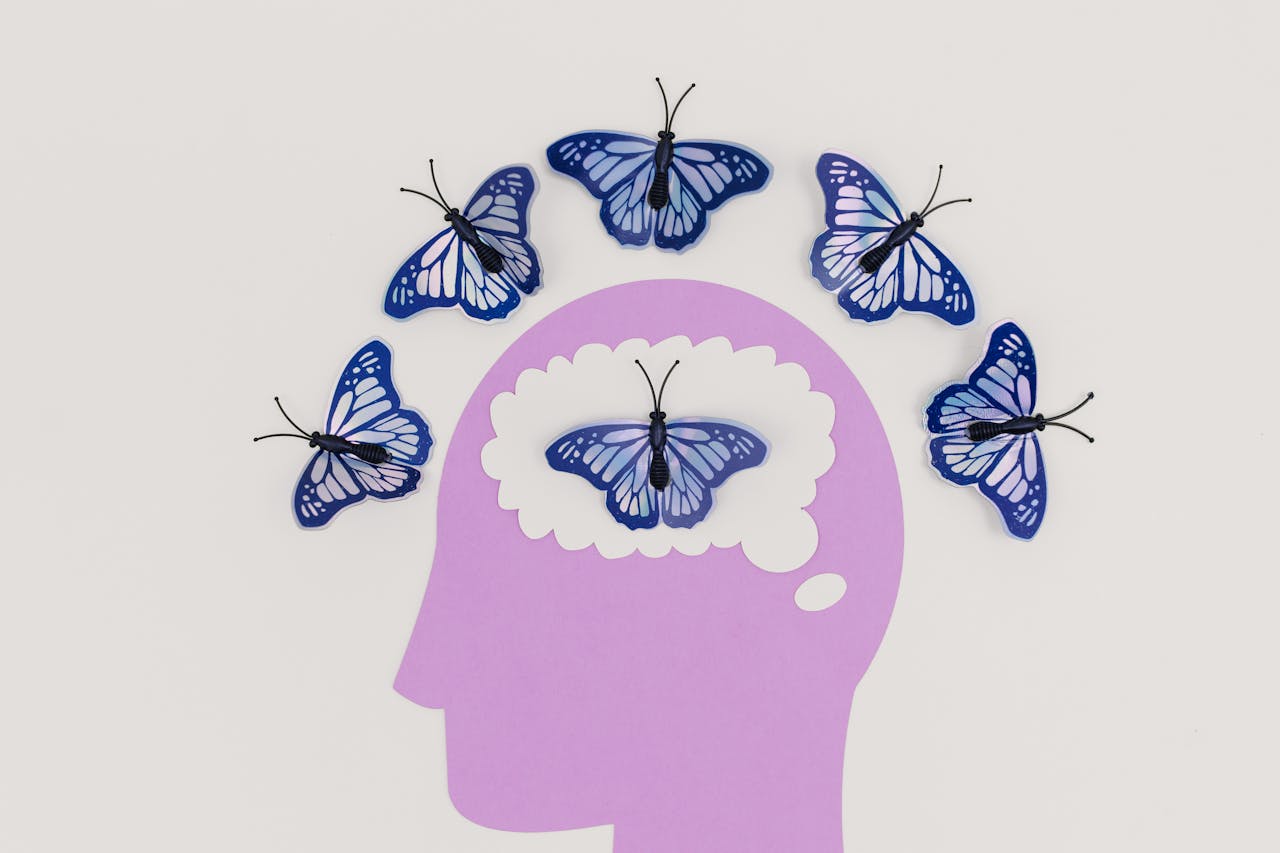
Neurodivergent people have brains that work in unique ways. Their cognitive functioning differs from what society sees as typical, and this includes how they think, learn, or process information.
This term covers conditions like autism spectrum disorder, dyslexia, attention deficit hyperactivity disorder (ADHD), and Tourette syndrome.
The concept of neurodiversity highlights natural variations in brain functions across the human population. Judy Singer first used this idea to promote inclusion for neurodivergent individuals.
It pushes back against the view that these differences are simply disorders needing fixing. Instead, it recognises diverse minds as offering valuable insights and positive qualities to society.
Dyslexia as a Neurodivergent Condition
Neurodivergent conditions include different ways the brain works. Dyslexia fits under this umbrella term as a specific learning disorder. It affects how dyslexic minds process information, especially written and spoken language.
Many dyslexic individuals face challenges in reading, spelling, and sometimes time management.
Dyslexia is not an illness but a neurological condition. The exact cause of dyslexia is still being studied by experts like the British Dyslexia Association. They explain that it’s linked to differences in brain structure and function.
“Dyslexia means seeing things differently—sometimes smarter,” says Richard Branson, a famous entrepreneur with dyslexia. These diverse ways of thinking highlight both struggles and unique strengths within neurodiverse learners.
Brain Differences in Dyslexia
Dyslexic brains process information in unique and fascinating ways. Keep reading to uncover what makes them so different!
Information processing variations
People with dyslexia process information differently. Their brains might take longer to decode words and sounds. This can affect reading, writing, and spelling tasks.
Unlike others, they may rely more on visual or creative thinking methods. They often have trouble organising information quickly or in a typical sequence. These variations show how unique cognitive differences impact their learning styles.
Cognitive functioning differences
Dyslexia affects executive function and memory skills. Dyslexic individuals may struggle with organising tasks, managing time, or recalling instructions. These challenges can make academic and daily activities harder without extra support.
Processing speed differences often appear too. Tasks like reading, writing, or solving problems might take longer than for others. With early interventions such as assistive technology or additional support in educational settings, they can better manage these difficulties.
Strengths and Unique Perspectives of Dyslexic Individuals
Dyslexic individuals often excel at thinking creatively. Many see patterns and connections that others might miss. This skill makes them natural problem-solvers in fields like art, design, or engineering.
Their ability to think differently is a type of neurodivergent talent. Some dyslexic people have strong storytelling abilities or strong visual memory. Famous figures like Tom Cruise credit their “dyslexic thinking” for their unique ideas and success.
These strengths show the value of celebrating differences instead of focusing on challenges alone.
Addressing Stigma and Misconceptions
Stigma around dyslexia often comes from misunderstandings. Some people think it means lower intelligence, but this is untrue. Dyslexic individuals process information differently, not less effectively.
These misconceptions can harm self-esteem and limit opportunities for growth in education or careers.
Raising awareness of the neurodiversity paradigm helps break down these ideas. Social media campaigns and dyslexia support groups share stories to change views. Greater acceptance in schools and workplaces creates a more inclusive environment for those with variations of neurodivergence.
Dyslexia is not a disability; it’s a different ability. — Dr Gavin Reid
Support services play an important role in creating positive change within communities, covered next under practical accommodations for dyslexic individuals!
Support and Accommodations for Dyslexic Individuals
Understanding and addressing stigma is key, but providing support is just as crucial. Dyslexic individuals often face challenges that can be eased with the right accommodations.
- Provide extra time for tests or assignments. This helps reduce stress and allows them to process information at their own pace.
- Use dyslexia-friendly fonts and larger text sizes. These changes make reading easier and improve understanding.
- Offer diagnostic assessments early. Identifying dyslexia sooner helps ensure timely support in schools or workplaces.
- Include executive function training in learning plans. This boosts organisation skills and improves focus for tasks.
- Allow oral responses instead of writing during evaluations. It lets students showcase their understanding without writing difficulties getting in the way.
- Ensure access to technology like speech-to-text software or audiobooks. Tools like these help bypass reading struggles and give equal learning opportunities.
- Train teachers on neurodiverse conditions through professional development sessions. This promotes inclusion and better classroom strategies.
- Recognise signs of dyslexia in young people early, especially within the education system. Early intervention can greatly improve learning outcomes.
Empowering Neurodivergent Communities
Strong communities help neurodivergent individuals thrive. Creating safe spaces for autistic people, dyslexic individuals, and others builds confidence and connection. Sharing experiences reduces stigma tied to neurological differences.
Workplaces and schools can support neurodivergent students or employees by promoting awareness of neurodiversity. Offering better training like a professional development section in toolkits empowers educators.
Simple changes—such as accommodations for executive function challenges—can unlock hidden potential across forms of neurodivergence.
How Dyslexia Impacts Me
I struggled a lot in school due to my dyslexia – I struggled especially in spelling tests. Maths was also a problem for me as I’d often read numbers in the wrong order. These days, my biggest problems are with speaking. I struggle with sentence structure, pronouncing words and being able to recall the appropriate words and phrases – which is why I much prefer to write than make videos. Though in my videos on my YouTube channel, you will notice I make a lot of cuts. Most of this is because I mispronounce words or say the wrong word so have to repeat it correctly.
Conclusion
Dyslexia is a powerful example of neurodiversity. It shows how brain differences can create challenges but also lead to unique strengths. By understanding and supporting dyslexic individuals, we build a more inclusive world.
Everyone benefits when we embrace diverse ways of thinking. Let’s continue breaking stigma and celebrating all minds.