Most eco-friendly individuals will both feel empowered and also a little sad. They’ll feel empowered because of how norms are changing around environmental care, and how much autonomy they can exercise towards the right decisions in their daily life. The small amount of sadness comes from knowing that you can’t perfect the world in an afternoon, and there are still huge worldwide issues to resolve. Sometimes they can feel overwhelming.
However, all you have to do is the best you can, and try to be aware of and advocate for your representatives to do the best they can. A great way to dispel that sense of worry is to engage in little actions in your own life. Even picking up litter with a local group in your local park can help you feel engaged and active.
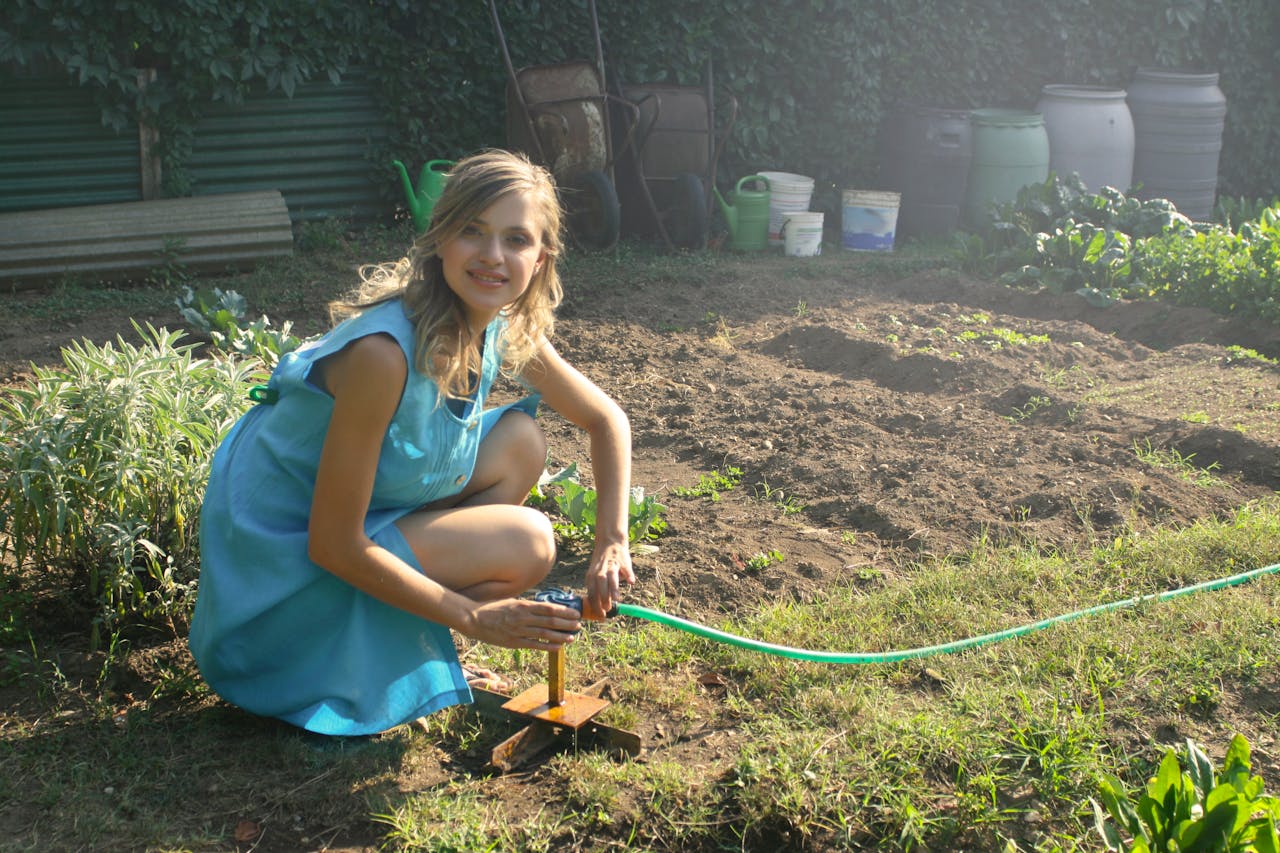
We’d also recommend the great feeling that comes from tending to your own garden and property. Having your own slice of nature being as friendly to the local wildlife and plants as you can is always going to be healthy. In this post, we’ll discuss six ways to make your garden as eco-hub-friendly as you can.
Let Some Areas Grow Wild
Many gardeners feel that a garden should look perfectly manicured at all times, with every blade of grass exactly the same height and no stray weeds to be seen, but letting a small part of your garden go a bit wild can be a huge benefit for the local ecosystem.
It’s fine to start small, as you could designate a corner of your garden to just let it grow freely, without a lot of interference. This can offer a natural habitat for pollinators like bees and butterflies, and also for other beneficial insects and small animals that need a safe place to live. It’s a simple way to support local biodiversity, and you might find that you enjoy the wilder look of a natural garden too. It also gives you a nice break from constantly having to maintain a perfect lawn.
Tend To Your Tree Health
Trees are such a vital part of any garden, they provide shade and a home for all sorts of creatures of course, but they do need a little care from time to time. You might want to regularly check on your trees for any signs of disease, dead branches, or pests, since keeping them healthy will mean they can continue to thrive for years to come.
If you have some deciduous trees, you could check for rot or loose branches during the winter when they have no leaves. Caring for your evergreen trees can also mean a little bit of pruning to maintain their shape, and to make sure that they’re not getting too close to your home. Healthy trees are a big part of a healthy garden ecosystem, so giving them some attention is always a good thing, and allows the area to feel more beautiful and natural.
If You Have Land, Consider Beekeeping
If you’re lucky enough to have a good amount of outdoor space, you could think about setting up a small beekeeping operation. Having your own beehive is a fascinating hobby, but it’s also a wonderful way to contribute to the health of the local environment because we’re all dependant on them as essential pollinators for so many of our plants and crops, and their populations have been struggling a lot in recent years.
It’s an investment and there’s a fair amount to learn and license, but by keeping your own bees, you’re massively helping to strengthen the local bee population and you are also doing your part for local agriculture. Not to mention you’re able to harvest your own fresh honey, which is a very nice bonus. It’s a big commitment, but for those who have the space it can be a really rewarding project to take on, and you’ll become part of a very special club.
Manage Your Compost
Composting is one of the easiest and most effective things you can do to make your garden more eco-friendly. So instead of throwing away all your food scraps and yard waste, you can collect it in a compost bin and let it break down to develop a nutrient rich soil that you can then use in your garden beds, which means you’re not putting as much waste into landfills.
Composting helps improve the quality of your soil naturally without you having to use any harsh chemicals, and it helps your plants grow in a healthier setting thanks to your efforts. You’ll also avoid throwing fruit and vegetable peels, grass clippings, coffee grounds, and old leaves in your usual bins, and it’s a very simple cycle to get started.
Recycle Your Materials
You can get pretty creative with recycling in your garden if you do it right, and it’s a great way to save money and reduce waste. For example, if you hold back on buying new pots or planters, you could use old materials that you already have on hand.
To offer a couple of examples, broken bricks can be used to make a nice little path in your garden, and old wooden pallets can be taken apart and used to build raised vegetable beds. You might have some old containers or buckets that you could clean up and turn into new planters, or you could use old plastic bottles as a irrigation system for your plants. It’s a great way to give new life to old things, teach your children how to be resourceful, and to show that you don’t always need to buy brand new stuff to have a beautiful garden.
Grow & Produce
Of course, it’s eco-friendly to grow things You can start small with a few herbs on a windowsill or dedicate a whole section of your garden to a vegetable grow space, because growing your own food means you’re reducing the carbon footprint associated with transporting food from far away farms to your supermarket.
You also get to eat fresh, healthy produce that you know is free from any chemicals or pesticides. What could be more eco-friendly than that?
With this advice, we hope you can feel empowered in making your garden an eco hub.