Running is a great form of exercise that strengthens your cardiovascular system and boosts your overall endurance. Even when you do it casually, you’re still engaging in an activity that improves your mental clarity, enhances your stamina, and tones your muscles. However, if you want to level up from running for leisure to serious training, you need to pay attention to how you take care of your body. Proper care ensures that your body can perform optimally and recover efficiently, and one effective approach is to examine the food you eat before, during, and after your runs.
The food you eat can greatly influence your overall performance. Since it provides the energy, nutrients, and hydration you need to train more effectively, making thoughtful choices is truly what allows your body to work more efficiently and respond better to the demands of running.
But what exactly should you be eating to get these benefits? Here are several simple adjustments you can make to your diet to support your overall running performance:
1) Incorporate Supplements into Your Pre-Run Nutrition
Certain supplements can give you an extra edge in your overall running performance. These nutritional aids are made to improve stamina, enhance recovery after strenuous runs, and optimize muscle function, allowing your body to perform more efficiently during training and competition. One option is black currant powder for running. This supplement is rich in anthocyanins and gamma-linolenic acid (GLA), both of which help reduce inflammation and oxidative stress in muscles. Adding it to your pre-run routine can prepare your muscles for the upcoming workout while also aiding recovery afterward, thus minimizing soreness and supporting faster repair of fatigued muscle tissue.
Keep in mind that supplements like these are not a replacement for whole foods. They can, however, complement your diet when consumed correctly. Taking black currant powder either in a smoothie or mixed into water about 30–60 minutes before a run allows your body to absorb the beneficial compounds, giving you a performance boost when it matters most.
2) Prioritize Complex Carbohydrates
Carbohydrates are the body’s primary source of energy, making them essential for runners at any level. However, of the different types of carbohydrates, complex carbohydrates are preferable. They’re digested more slowly and provide a sustained source of fuel, helping your muscles work efficiently throughout extended periods of activity. What’s more, they release glucose into the bloodstream gradually, which helps maintain endurance during longer runs and prevents energy crashes.
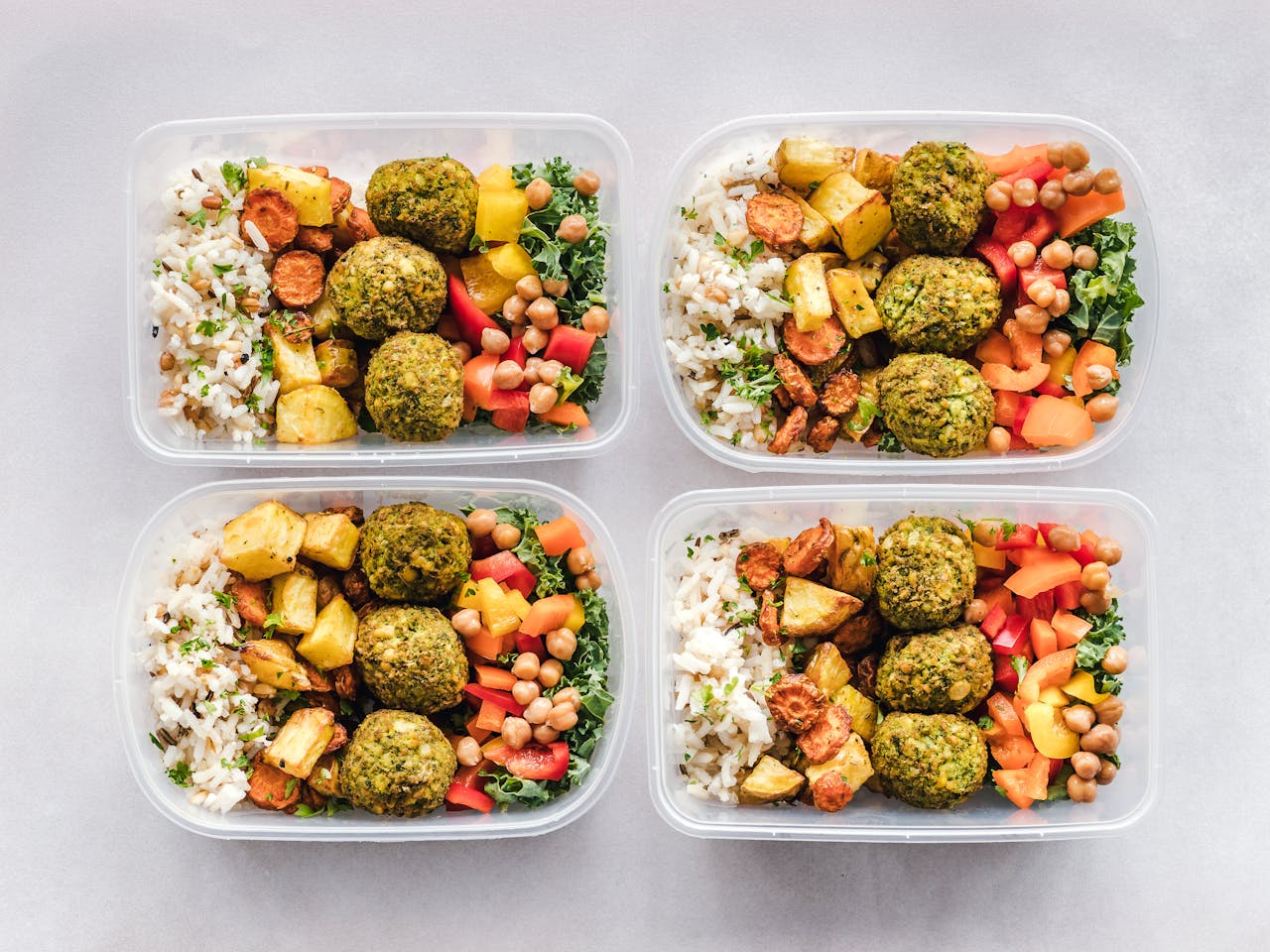
Foods such as oats, quinoa, brown rice, and sweet potatoes deliver sustained energy while also supplying fiber, vitamins, and minerals that support overall health. If you integrate these foods into your meals consistently, your muscles will have the fuel they need to perform efficiently, both during training sessions and on race days.
When planning pre-running meals, make sure to time your carbohydrate intake. Eating complex carbs a few hours before running helps top off glycogen stores, ensuring that your body has enough to sustain performance throughout the workout.
3) Eat More Lean Protein
Protein is vital for repairing and rebuilding muscle tissue, especially after strenuous runs that place stress on your muscles. It provides the amino acids necessary to repair microtears in muscle fibers, which helps reduce soreness and strengthens muscles over time. Beyond recovery, protein also plays a role in maintaining a healthy metabolism by supporting muscle mass. This metabolic support helps your body use energy more efficiently and sustain endurance during your runs.
While you can get protein from a variety of sources, lean options like chicken, turkey, eggs, Greek yogurt, tofu, and legumes are particularly beneficial. Not only do they provide high-quality protein, but they also support muscle repair without excessive saturated fat. What’s more, pairing protein with carbohydrates after a workout can further enhance recovery due to improved glycogen replenishment and nutrient absorption, helping you feel ready for your next training session sooner.
4) Consume Foods Rich in Iron and B Vitamins
Iron and B vitamins play crucial roles in energy production and oxygen transport. Iron is needed to form hemoglobin, the protein that carries oxygen in the blood. B vitamins, on the other hand, help convert the food you eat into usable energy. A deficiency in either can lead to fatigue, reduced endurance, and slower recovery. As such, eating foods rich in these vitamins, like spinach, lentils, eggs, lean meats, and fortified cereals, will allow your body to deliver oxygen efficiently to your muscles and sustain your performance over longer distances.
5) Limit Processed Foods and Sugary Drinks
Although soda, candy, fried foods, and packaged snacks provide quick calories, they lack the vitamins, minerals, and other nutrients necessary for recovery and sustained endurance. These foods often contain excess sugar and unhealthy fats that can destabilize your metabolism, causing rapid spikes and crashes in blood sugar while increasing inflammation in the body. Make sure to reduce your consumption of these foods to stabilize your blood sugar, improve your digestion, and support your overall health. Sticking to whole, minimally processed foods ensures you can maintain more consistent energy levels, recover faster from training, and feel stronger during every workout.
All in all, paying attention to what you eat can make a noticeable difference in how your body performs and recovers. Proper fuel helps you feel energized, resilient, and capable of handling the demands of each run.
While incorporating these changes into your diet may require some adjustment, the improvements in your stamina, recovery, and overall well-being will quickly become apparent. Over time, these consistent choices will result in steady improvement and make running a more rewarding and sustainable part of your fitness routine.