All living situations have their perks and their downsides, that much is true no matter where you choose or end up. For example, more and more young people are living at home for longer – a wise choice when the economy is struggling and you want to save as much money as possible – but it clearly comes with the downside of delaying that “spreading of wings” for a little longer.
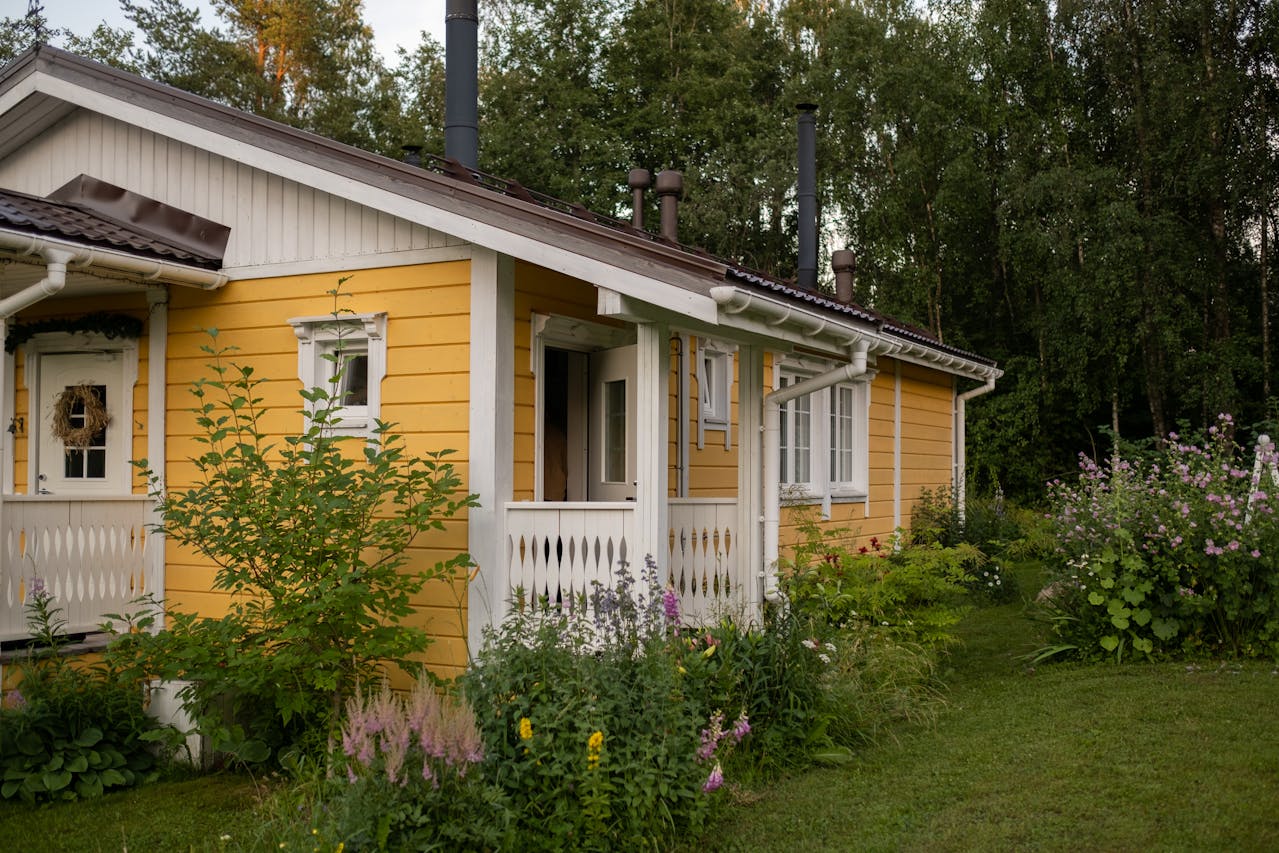
No matter who you are, it’s likely that at least once in your life, you’ve considered moving to a rural location. Even if you love living in built-up areas, sometimes they can grate on all of us from time to time, especially during a busy mid-morning commute to work where the traffic seems endless and the weather is already hot.
While a bad commute isn’t necessarily excluded from rural living, we thought it would be interesting to talk through that fantasy and consider some of its positives. In this post, we’ll discuss three freedoms that come with living rurally, and help you get the most from it:
Greater Control Over Your Property
When you own rural land, you have much more say in what happens on your property compared to living in suburban neighborhoods with strict codes and maybe even those draconian HOA rules. You can plant whatever gardens you want, build outbuildings for storage or hobbies, and modify your home without having to get approval from a homeowner association. Better yet, if you want to install solar panels, dig a pond, or set up a workshop, you generally have the freedom to do that.
You also get to make decisions about important fixtures like your water supply, maybe working with borehole drilling companies to create your own well system that gives you independence from city water services. Having control over these fundamental aspects of your property can be empowering and gives you more options for how you want to live – though remember it takes money, work and investment to make this so.
Less Noise & More Privacy
Rural properties will usually come with natural sound barriers like trees and distance from busy roads, which means you can enjoy quiet evenings without hearing your neighbors’ television or late-night conversations. You can have friends over for barbecues, play music on your porch, or let your kids run around and be loud without worrying about disturbing anyone nearby as well, unless you’re in a unique situation where you live in a semi-detached house (this is quite common).
If you do have it, the privacy extends to visual space too, since you’re not looking directly into other people’s windows or having them see into yours. You can relax in your garden and sunbathe, garden in your pajamas, or sit outside without feeling like you’re on display for the whole neighborhood to see. It makes a nice change of pace.
Freedom To Pursue Different Hobbies
There’s a reason many new rural homeowners think about keeping chickens or other animals, trying their hand at beekeeping, or set up target practice areas if shooting sports interest them. There’s room for larger gardens where you can grow your own food, and space for projects like woodworking or restoring old vehicles without worrying about noise complaints.
For this reason, living in such an area could help you find newer interests that come with country living. Sometimes there’s joy in the chores too, like learning to maintain your own well pump, managing a small orchard, or figuring out how to heat your home with wood. These are life skills and help you feel more at home in that space.
With this insight, maybe you’ll consider a move to the countryside? If so, you’ll have something to look forward to.