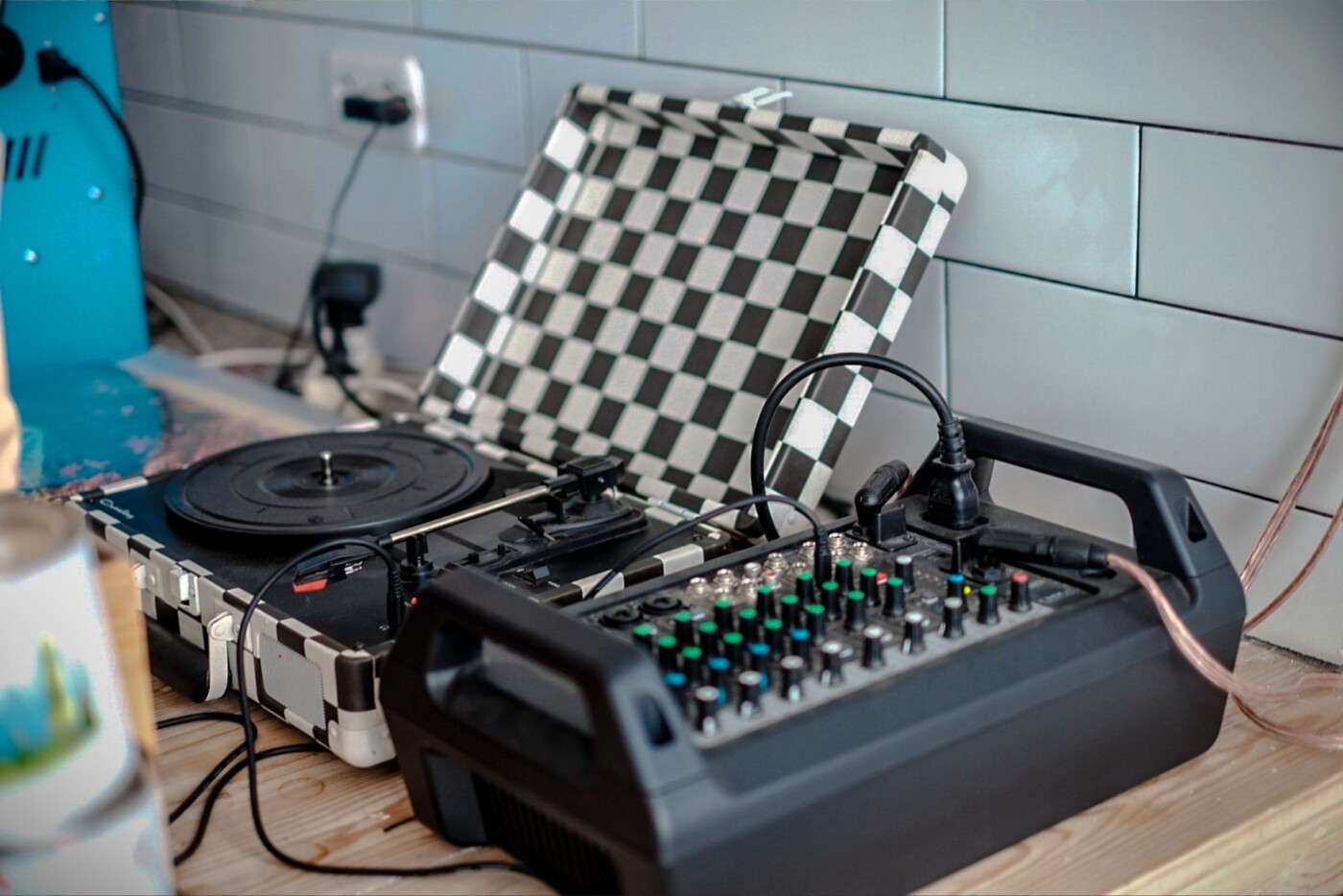
A mixer doesn’t sound like the number one piece of equipment for a musician, but it can help solve a few problems that can occur when playing in a shared space with limited room. The compact HH Audio Q Series mixer is designed to fit on a desk and to help organise practice, recording and family music-making. If you know what a mixer does at home, then you will know why so many players use one.
What a Mixer Does in a Home Setup
A mixer is a device that allows you to merge several audio inputs into one or multiple outputs, with adjustable levels and tone. These may include an electric guitar, bass, microphone, drum machine, and a backing track on a phone or computer. The player will not have to control the volume of each device – it is all controlled from a single place. This single control makes the mixer a convenient tool for home use, where volume can rise and fall rapidly when a child goes to bed, or someone knocks on the door.
Practising Silently Through Headphones
One of the most common problems for home players is late-night practice. Playing an instrument, backing track, and metronome through a mixer to headphones means nearly no sound leaks into the rest of the house. The player can balance the guitar against the backing track however they choose, which makes quiet practice much more pleasant than playing an unplugged electric guitar by itself. Simple per-channel equaliser controls also let the player remove sharp frequencies that can become fatiguing over long listening sessions through headphones.
Recording in a Spare Room
Home recording often happens in a spare bedroom or a corner of a living room. A mixer offers routing flexibility that a basic interface alone does not provide. You can blend a guitar signal with a microphone, record several sources together, and set up a separate headphone mix for the player. For anyone recording more than one instrument at a time, this makes sessions smoother and reduces time spent adjusting software settings. Physical faders also make it easier to set levels by feel rather than clicking through menus on a screen.
Family Jam Sessions Without the Noise
Households with more than one musician can use a mixer to bring everyone together at a sensible volume. Instead of competing amplifiers turned up to be heard, each instrument feeds the mixer, and the combined sound plays through a single small powered speaker at a level the household can live with. If a mixer has an auxiliary output, it can feed a headphone amplifier so several players can listen through headphones at once. Sessions like these are a good way to involve children in music without filling the house with noise.
Keeping the Desk Tidy
A mixer is also a cable hub. Speakers and devices are connected to one unit, rather than a collection of adaptors. Use tape to mark each channel so others in the house can use the setup without getting mixed up. A clean hub is easier to switch off at the end of the day and less likely to be tugged by a pet or a passing foot.
Choosing a Mixer That Fits on a Desk
Channel count is the first thing to consider. A four-channel mixer is required for most home setups (one or two people), and larger family bands need more inputs. Physical size is also important at home, since the mixer will need to share a desk with a computer, a monitor and a keyboard. It is also important to test the outputs to make sure the mixer can drive headphones, speakers and a recording device without having to be plugged and unplugged often.
Control Over Every Signal, and Over the Volume
Home musicians can use a small mixer to blend their instruments and control how much sound reaches the rest of the house. It helps you practice silently, record better, and keep family and neighbour sessions quiet. It makes day-to-day practice with a bunch of gear a breeze.