Tossing and turning at night? Finding it harder to get comfortable as your bump grows? You’re not alone – and a maternity pillow might be exactly what you need.
I know what you’re thinking. Do I really need another pillow? Can’t I just stack up some regular pillows and make do? Well, you could try that route (and plenty of pregnant women do), but there’s a reason why maternity pillows have become such a popular solution. They’re designed specifically for your changing body, and when you find the right pregnancy pillow, it can make a massive difference to your sleep quality.
In this post, I’m going to walk you through exactly when you need a pregnancy pillow, the signs that it’s time to invest in one, and how to choose the right support for your specific needs. Trust me, once you understand the benefits of pregnancy pillows, you’ll wonder why you didn’t get one sooner. I actually got one pretty early on in my pregnancy and I loved it!
- What Is a Pregnancy Pillow and Why Does It Matter?
- When Do Most Pregnant Women Start Needing a Pregnancy Pillow?
- Clear Signs You Need a Pregnancy Pillow Right Now
- Different Types of Pregnancy Pillows: Which One Do You Need?
- What to Look for When Choosing Your Maternity Pillow
- Real Recommendations: Best Pregnancy Pillows for UK Mums
- How to Use Your Maternity Pillow Effectively
- Common Questions About Pregnancy Pillow Timing
- The Bottom Line: When Do YOU Need a Pregnancy Pillow?
- FAQs About When You Need a Pregnancy Pillow
What Is a Pregnancy Pillow and Why Does It Matter?
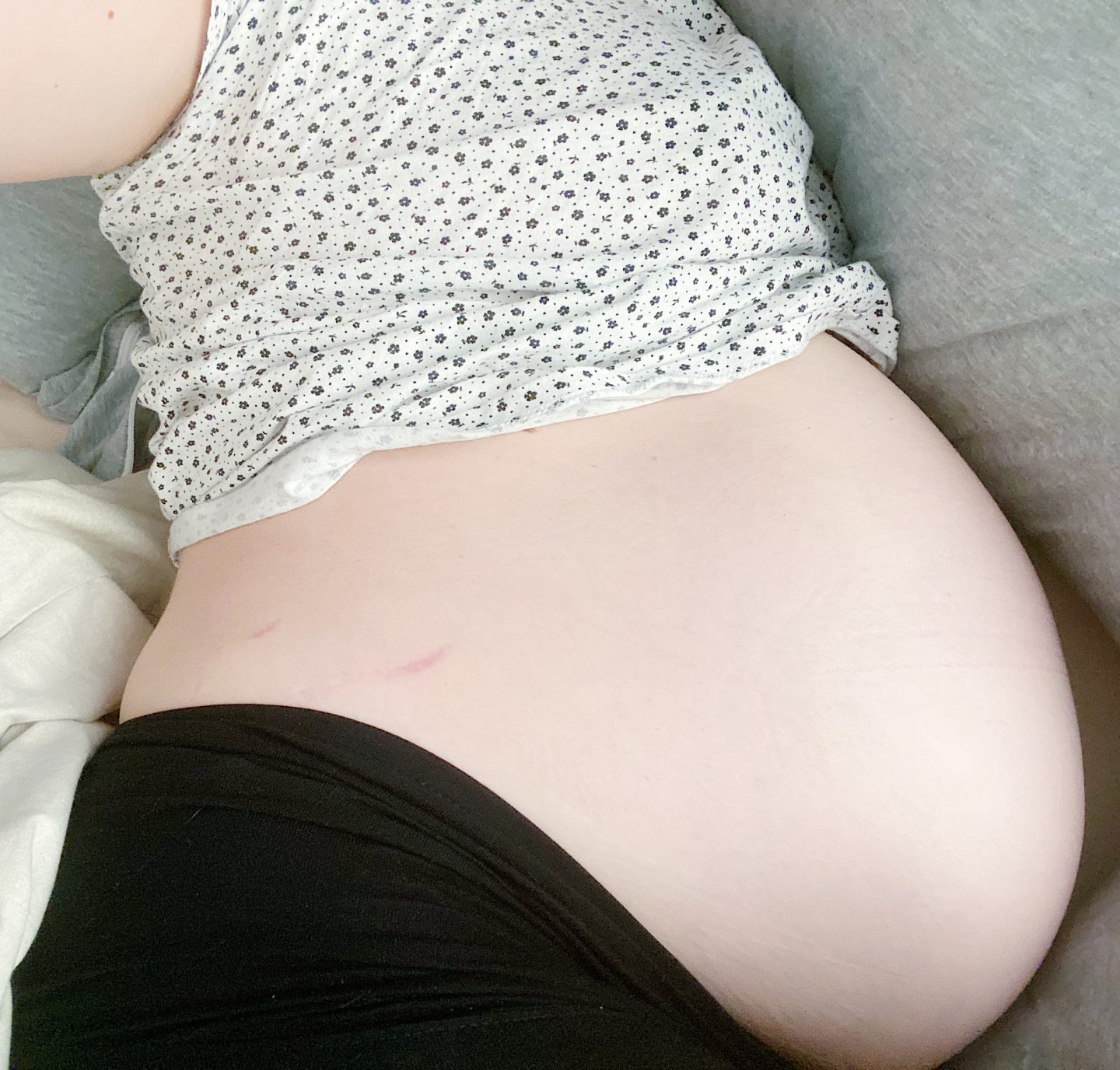
Before we dive into timing, let’s cover the basics. A maternity pillow is a specially designed pillow that supports your changing body throughout pregnancy. Unlike standard pillows that go flat or shift about during the night, these pillows are shaped to cradle your bump, back, hips, and knees all at once.
The good news is that pregnancy pillows come in different types to suit different needs. You’ve got U-shaped pillows that wrap around your entire body, C-shaped pregnancy pillows that support your front or back, straight pregnancy pillows that run along your side, and smaller wedge options for targeted belly support.
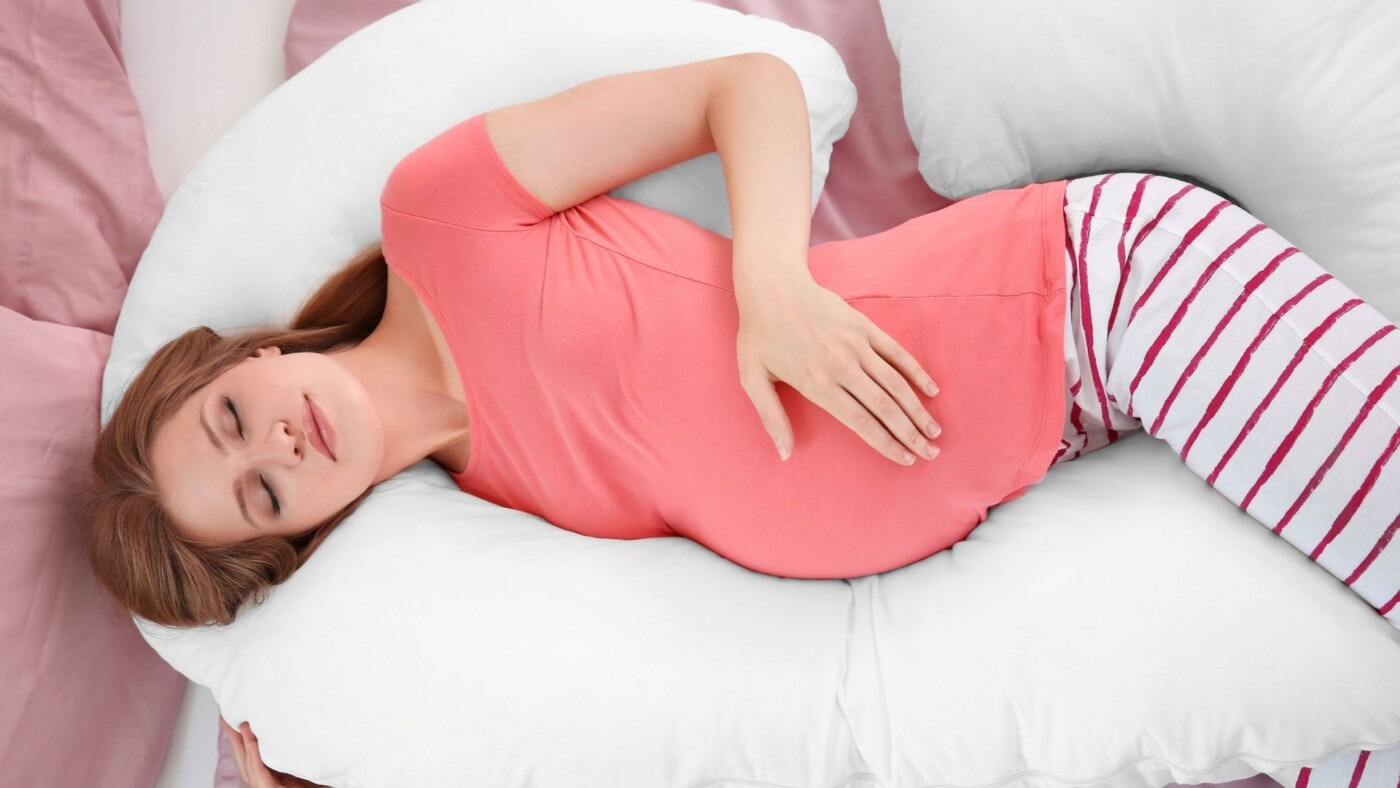
According to the NHS, pregnant people should avoid sleeping on their back after 28 weeks, as it can reduce blood flow to the baby and increase the risk of stillbirth. A maternity pillow helps you maintain a side-sleeping position comfortably throughout the night – which is crucial for both you and your baby.
The key difference between these and regular pillows? They’re firmer, they hold their shape, and they support multiple body parts simultaneously. That means less fidgeting, fewer pressure points, and hopefully, a good night’s sleep.
When Do Most Pregnant Women Start Needing a Pregnancy Pillow?
Right, let’s talk timing. This is the question everyone asks, and honestly, there’s no one-size-fits-all answer. But there are some pretty clear patterns.
The First Trimester: Too Early?
In your first trimester, you might not feel like you need extra support yet. Your bump is small or non-existent, and most pregnant people can still sleep in their usual positions without discomfort. Front sleeping is perfectly fine at this stage, and you might not experience any physical discomfort beyond typical early pregnancy symptoms.
That said, some expectant mothers start using a maternity pillow early for a clever reason – they’re training their body for side sleeping before it becomes necessary. If you’re a natural back or stomach sleeper, getting used to sleeping on your left side now can pay off later.
A full-length body pillow or a simple straight pillow can be a great option at this stage. They’re not bulky, they don’t take over the bed, and they can ease any early hip pain or lower back aches that sometimes pop up in the first trimester.
The Second Trimester: The Sweet Spot
Most pregnant women find that the second trimester – especially around 20 weeks – is the perfect time to invest in proper support. Your bump is definitely showing, your body changes are becoming more obvious, and sleeping positions that used to feel comfortable might start feeling awkward.
This is when many people notice their greatest challenge: finding a comfortable sleeping position that doesn’t leave them waking up with body aches. Your baby bump is putting pressure on your back, your hips are widening, and standard pillows just aren’t cutting it anymore.
A U-shaped pregnancy pillow or a C-shaped pillow becomes a best friend during this stage. These provide full-body support and can help with common pregnancy discomforts like hip pain and pelvic pressure. According to research from the Royal College of Obstetricians and Gynaecologists, maintaining good posture and spinal alignment during pregnancy can significantly reduce back pain – and that’s exactly what these pillows help you achieve.
Many neonatal nurses and midwives suggest that if you’re going to get a maternity pillow, the second trimester is the ideal window. You’ll get months of use from it, and you’ll establish good sleeping habits well before the third trimester arrives.
The Third Trimester: Absolutely Essential
By the time you hit the third trimester, a maternity pillow moves from “nice to have” to “genuinely helpful” territory. Your growing belly is putting serious pressure on your entire body, side sleeping is mandatory for safety, and finding any comfortable position feels like a proper challenge.
This is when different types of pregnancy pillows really prove their worth. Whether you choose U-shaped pillows for all-around support, a C-shaped pregnancy pillow for targeted comfort, or even a pregnancy wedge pillow for your bump, the right support makes a big difference.
Blood flow becomes increasingly important in late pregnancy, and proper positioning helps ensure your baby gets optimal oxygen and nutrients. A maternity pillow helps you stay on your side throughout the night, which keeps blood flowing properly and reduces the risk of complications.
Clear Signs You Need a Pregnancy Pillow Right Now
Forget the calendar – your body will tell you when it’s the right time. Here are the most common signs that pregnant people give when they finally cave and buy a maternity pillow.
You’re Experiencing Hip Pain or Lower Back Pain
This is probably the number one reason pregnant women invest in a maternity pillow. As your bump grows, it changes your centre of gravity and puts strain on your lower back. Your hips are also widening to prepare for birth, which can cause serious discomfort at night.
Regular pillows might help a bit if you tuck them between your knees, but they tend to flatten or shift as you move. A proper maternity pillow – especially U-shaped pillows or full-body options – keeps your hips aligned and takes pressure off those sore spots.
One mum I know described it perfectly: “I felt like my hips were being pulled apart every night. The pillow didn’t magically fix everything, but it made sleep actually possible again.”
Finding a Comfortable Position Takes Forever
Remember when you could just flop into bed and drift off? If those days feel like a distant memory, it’s time for additional support. As your body changes, the positions that used to feel natural become awkward or uncomfortable.
Different shapes of pregnancy pillows suit different ways of sleeping. Side sleepers often love C-shaped pillows that wrap around them, whilst restless sleepers who change positions frequently prefer U-shaped pillows that support both sides of your body at once.
The beauty of a maternity pillow is that you can adjust it in different ways to find what works. Tuck the bottom of the pillow between your knees, hug the top part for belly support, or loop it behind your back for proper support when you need to stay on your left side.
You Keep Rolling Onto Your Back During Sleep
If you naturally sleep on your back, breaking that habit can be tough. But after 28 weeks, it’s crucial for your baby’s safety. A maternity pillow physically prevents you from rolling onto your back whilst keeping you comfortable on your side.
U-shaped pregnancy pillows are particularly brilliant for this because they create a supportive barrier on both sides. You literally can’t roll onto your back without noticing, which means you stay in the safest position all night.
Standard Pillows Aren’t Providing Enough Support
You’ve tried stacking regular pillows. You’ve borrowed cushions from the sofa. You’ve built a fortress of standard pillows around yourself. And still, you’re waking up uncomfortable.
Here’s the thing – regular pillows just aren’t designed for pregnancy. They’re too soft, they shift about, and they don’t provide the right type of support for your changing body. A specially designed pillow with the proper firmness and shape addresses specific areas that need help.
The difference is like comparing a fold-up camping chair to a proper ergonomic office chair. Both technically work, but one is designed for the job and the other is making do.
You’re Experiencing Common Pregnancy Discomforts
Body aches, pressure points, restless legs, swollen ankles – these common pregnancy discomforts can all interfere with sleep. Whilst a maternity pillow won’t solve everything, it can significantly reduce physical discomfort by:
- Improving blood flow through better positioning
- Reducing pressure on specific body parts
- Supporting your growing belly so your muscles don’t have to work as hard
- Keeping your spine aligned to reduce nerve compression
The benefits of a pregnancy pillow extend beyond just comfort. Better sleep means more energy, improved mood, and a healthier pregnancy overall. Your body is working incredibly hard right now – it deserves proper support.
Different Types of Pregnancy Pillows: Which One Do You Need?
Not all maternity pillows are created equal, and what works for your best friend might not suit your personal preference. Let’s break down the different types so you can figure out which offers the most support for your specific needs.
U-Shaped Pillows: Full-Body Comfort
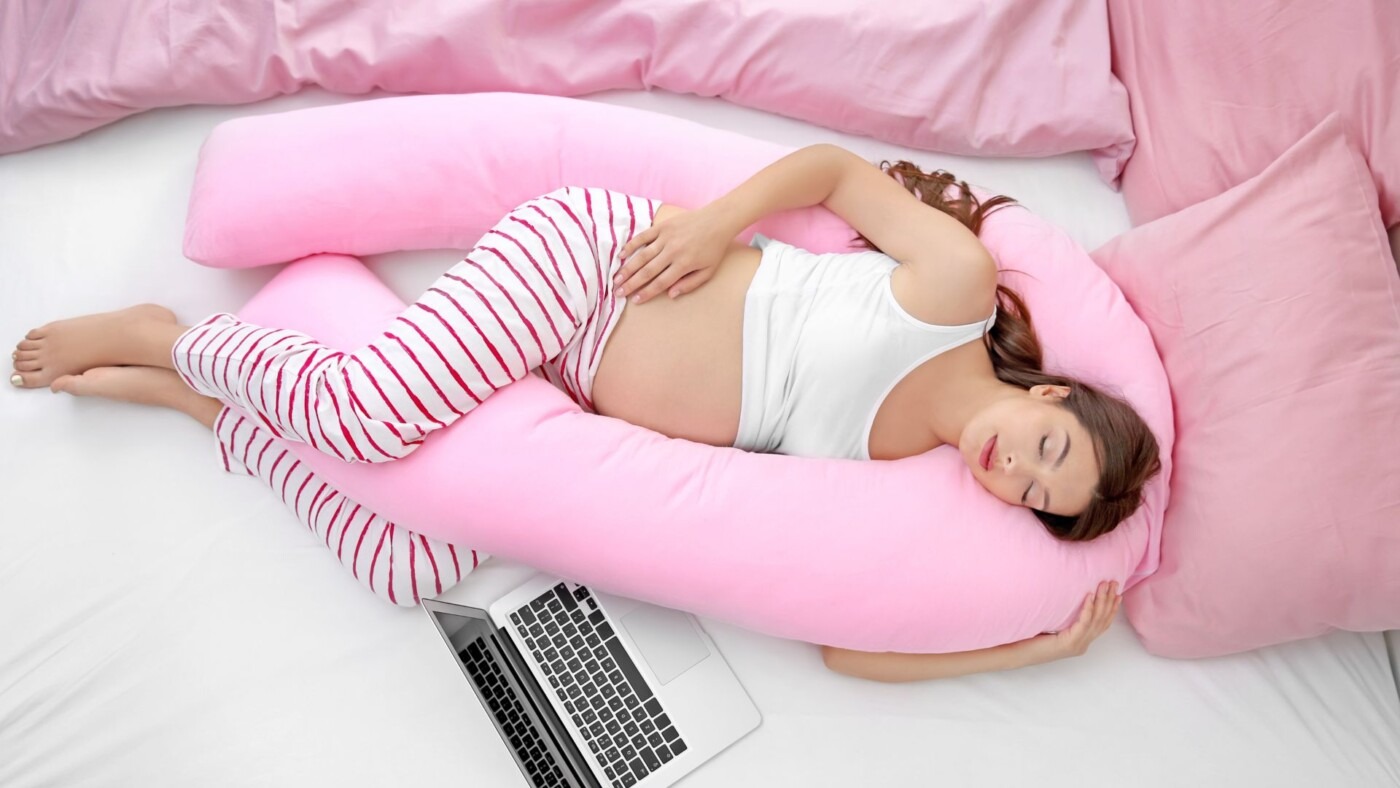
U-shaped pillows are the big ones – they wrap around your entire body, supporting your head, back, bump, and legs simultaneously. These are fantastic if you:
- Toss and turn frequently during the night
- Want support on both sides without having to reposition
- Struggle with hip pain or sciatica
- Have a king-size bed with room to spread out
The downside? They’re massive. Your partner might get pushed to the edge of the bed (which some people see as a bonus, to be fair). They also take up storage space if you’re short on room.
Popular UK options include the BBhugme pregnancy pillow, which has brilliant reviews from mums who say it’s worth every penny. It’s pricey, but many pregnant women find it becomes their most comfortable sleep solution throughout pregnancy.
C-Shaped Pregnancy Pillows: Versatile Support
C-shaped pillows are smaller than U-shaped options but still provide excellent all-around support. They’re perfect if you:
- Want back support whilst sleeping on your side
- Prefer something less bulky than a U-shaped pillow
- Like adjusting your pillow for different positions
You can flip a C-shaped pregnancy pillow to support either your front or back, depending on what feels better that night. Many pregnant people find this flexibility really useful, especially if their needs change as pregnancy progresses.
Wedge Pillows: Targeted Belly Support
A pregnancy wedge pillow is small, triangular, and designed to slide under a specific area – usually your bump or your back. These are brilliant if you:
- Only need support in one specific area
- Already have a comfortable sleeping setup but need a bit of extra help
- Want something affordable and easy to travel with
- Experience heartburn and need to elevate your upper body slightly
Wedge pillows are also a great option to add alongside another type of pillow if you need additional support in different areas.
Straight Pillows and Full-Body Pillows: Simple Solutions
These run along the length of your body in either a straight line or a slight curve (sometimes called a J shape). They’re ideal if you:
- Want something straightforward without too much bulk
- Like hugging a pillow whilst you sleep
- Need support for your bump and knees but not necessarily your back
- Prefer minimalist designs that don’t overwhelm your bed
A full-length body pillow is essentially a super-long version of a standard pillow. It’s less structured than U-shaped or C-shaped options, but some pregnant women find that simplicity works perfectly for them.
What to Look for When Choosing Your Maternity Pillow
Right, so you’ve decided you need one. Here’s what matters when you’re actually shopping.
Size and Bed Space
Measure your bed before buying. A U-shaped pregnancy pillow needs serious room – we’re talking king-size bed territory. If you’re working with a double bed, a C-shaped pillow or a full-body pillow will be a better fit.
Also think about your partner. Will they be sleeping in the same bed? Some maternity pillows basically claim the entire mattress, which might lead to them relocating to the spare room (again, negative or positive depending on how you look at it).
Firmness and Support
This comes down to personal preference, but generally, maternity pillows should be firmer than standard pillows. They need to hold their shape throughout the night, even as you shift position.
Look for pillows with good reviews mentioning they “keep their shape” or “don’t go flat”. Memory foam options tend to be firmer, whilst polyester-filled pillows are usually softer and more huggable.
Washable Covers Are Essential
Trust me on this – you want washable covers. Pregnancy makes you warmer, which means more sweating at night. Plus, if you plan to use the pillow postpartum for feeding, spills and spit-up are basically guaranteed.
Most decent pregnancy pillows come with removable, machine-washable covers. Some even have waterproof inner layers for extra protection. This isn’t a luxury feature – it’s genuinely essential for keeping things fresh.
Versatility for Postpartum Use
Many maternity pillows work brilliantly for breastfeeding or bottle feeding once your baby arrives. They can support your baby at the right height, reducing strain on your neck and shoulders during long feeding sessions.
Some pregnant people also use their pillow for tummy time, as a support whilst sitting on the floor with the baby, or even as a cosy lounging spot on the sofa during recovery. Getting multiple uses from one purchase makes the investment feel more worthwhile.
Real Recommendations: Best Pregnancy Pillows for UK Mums
Based on testing and reviews from UK parenting experts, here are some top picks across different price ranges:
Premium Option: BBhugme Pregnancy Pillow (£135-£165) This is the one everyone raves about. Yes, it’s expensive, but mums consistently say it provides exceptional support and lasts through multiple pregnancies. Available at Mamas & Papas, and you can often find second-hand ones on Vinted or Facebook Marketplace if you want to save money.
Mid-Range Winner: Kally Sleep Body Pillow (£50-£80) A fantastic UK brand with hypoallergenic jersey covers that are machine washable. It’s designed to support your bump, back, and legs as your body changes, and the price point makes it accessible for most budgets.
Budget-Friendly: EDS Pregnancy Teddy Fleece V Pillow (£20-£30) If you’re on a tight budget, this V-shaped option provides decent neck, back, and bump support without breaking the bank. It’s particularly good for propping yourself up whilst reading or relaxing in bed.
Best for Small Spaces: Simple Wedge Pillow (£15-£25) Various brands make these, and they’re perfect if you don’t have room for a full-body option or if you only need targeted support under your bump.
How to Use Your Maternity Pillow Effectively
Getting the pillow is half the battle – using it properly is what makes the big difference. Here are some practical tips for different sleeping positions.
For Side Sleeping (The Most Important Position)
Place the pillow so it supports your bump from underneath whilst also tucking between your knees. This keeps your hips aligned and takes pressure off your lower back. If you’re using a U-shaped pillow, let it wrap around your back as well to prevent rolling.
The left side is generally considered the best option for blood flow, though switching between left and right is fine too. Your maternity pillow should make staying on your side feel natural rather than forced.
For Additional Back Support
If lower back pain is your main issue, position the pillow behind you as well as in front. This creates a supportive nest that holds you steady. C-shaped and U-shaped pillows excel at this because they naturally cradle both sides of your body.
Some pregnant women also tuck a small wedge or rolled towel at the small of their back for extra lumbar support. Experiment until you find what feels best.
For Hip and Pelvic Pain
The magic trick here is keeping your knees separated and slightly elevated. This takes pressure off your hip joints and reduces that pulling sensation many pregnant people describe.
A full-body pillow or the bottom portion of a U-shaped pillow works perfectly for this. Make sure it’s firm enough that it doesn’t compress completely under the weight of your leg.
Adjusting Throughout the Night
Don’t be afraid to shift the pillow around as needed. Pregnancy sleep is rarely perfect, and your comfort needs might change throughout the night. The whole point of having a maternity pillow is to make your sleep better – so if something isn’t working, adjust it.
Common Questions About Pregnancy Pillow Timing
Let me tackle the questions I get asked most often about when to start using these pillows.
Is It Too Early to Get a Pregnancy Pillow in the First Trimester?
Not at all. If you’re already experiencing discomfort or you want to establish good side-sleeping habits early, go for it. The benefits of a pregnancy pillow aren’t limited to later stages. Some pregnant women find that having one from the start makes the transition easier as their body changes.
There’s no rule saying you have to wait until you’re uncomfortable. Prevention is often easier than trying to fix established pain patterns.
Can I Just Use Regular Pillows Instead?
You absolutely can try. Many pregnant women start by stacking regular pillows around themselves, and for some, that’s enough. But here’s what usually happens:
Standard pillows go flat during the night, meaning you wake up without support. They shift and move as you turn over, requiring constant readjustment. And they don’t provide the targeted support that a specially designed pillow offers for your growing belly and changing body.
If you’re genuinely comfortable with regular pillows, brilliant – save your money. But if you’re waking up uncomfortable, struggling to find a good position, or dealing with body aches, a proper maternity pillow is likely to be a great option.
What If I’m Not Sure Which Type to Get?
Start with your main complaint. If hip pain is your biggest issue, look at full-body or U-shaped options that keep your knees separated. If back support is the priority, a C-shaped pregnancy pillow might be your best option. For targeted belly support, try a wedge first since they’re cheaper.
Also consider your bed size and personal sleeping style. If you move around loads, a U-shaped pillow gives support in multiple positions. If you’re a creature of habit who stays in one spot, a simpler straight pillow might work perfectly.
Will My Partner Hate It?
Possibly, yeah. U-shaped pillows in particular are massive, and they do take up significant bed space. Some partners end up on the sofa or in the spare room, whilst others adapt fine.
The thing is, your comfort and your baby’s safety are the priority here. If the pillow helps you sleep better and stay off your back after 28 weeks, that matters more than whether it’s slightly inconvenient for your partner. Most understanding partners get this, especially when they see how much better you’re sleeping.
Can I Use It After Pregnancy?
Absolutely! Many parents get loads of postpartum use from their maternity pillow. It’s brilliant for propping yourself up during feeding sessions, supporting your back whilst sitting with the baby, or even creating a safe space for supervised tummy time.
Some people keep using their pregnancy pillow as a regular body pillow long after their baby arrives, simply because they’ve gotten used to the extra comfort. Given how much money you’re about to spend on baby gear, getting extended use from one item is always a win.

The Bottom Line: When Do YOU Need a Pregnancy Pillow?
Here’s the honest answer: you need a pregnancy pillow when your current sleep setup stops working. For most pregnant women, that happens somewhere in the second trimester around 20 weeks. But for some, it’s earlier, and for others, it’s later.
The key points to remember:
- The second trimester (especially around 20 weeks) is typically the best time to invest
- If you’re experiencing hip pain, back pain, or can’t find a comfortable sleeping position, that’s your cue
- Different types of pregnancy pillows suit different needs – U-shaped for full-body support, C-shaped for versatile comfort, wedges for targeted help
- Washable covers and firm support are essential features
- Regular pillows work for some people, but a specially designed pillow provides proper support for most
Your body is doing incredible work right now, growing a tiny human from scratch. If a maternity pillow helps you get better sleep and reduces physical discomfort, it’s worth every penny. This isn’t about buying unnecessary stuff – it’s about supporting your body through one of the most physically demanding experiences of your life.
Listen to your body, not the calendar. If you’re uncomfortable now, get the pillow now. If you’re still sleeping fine, wait until you need it. There’s no prize for suffering through discomfort, and there’s definitely no shame in making pregnancy easier for yourself.
Sweet dreams, and may your nights be filled with restful sleep rather than endless tossing and turning!
FAQs About When You Need a Pregnancy Pillow
What week of pregnancy should I get a maternity pillow?
Most pregnant women find that around 20 weeks in the second trimester is the right time to get a maternity pillow, as this is when the bump starts putting noticeable pressure on the back and hips. However, if you’re experiencing discomfort earlier or you want to establish side-sleeping habits before they become necessary, there’s no reason to wait. Some expectant mothers start using one in the first trimester, whilst others don’t feel they need one until the third trimester. Your body will tell you when it’s the right time – if you’re struggling to get a good night’s sleep or waking up with body aches, that’s your cue.
Do I really need a special pregnancy pillow or can regular pillows work?
Regular pillows can work for some pregnant people, especially if you only need minimal extra support. However, they tend to go flat during the night and shift around as you move, which means you’re constantly readjusting. A maternity pillow is specifically designed to maintain its shape and support multiple body parts simultaneously – your bump, back, hips, and knees. If you’re dealing with hip pain, lower back pain, or difficulty maintaining a side-sleeping position, a proper pregnancy pillow will provide better support than stacking regular pillows. Think of it this way: you could manage with standard pillows, but a specially designed pillow makes everything considerably easier.
Which type of pregnancy pillow is best for side sleepers?
Side sleepers generally do brilliantly with either U-shaped pillows or C-shaped pregnancy pillows, as both provide support for your bump whilst keeping your back stable. U-shaped pregnancy pillows wrap around your entire body, supporting both sides at once, which is perfect if you switch between sleeping on your left side and right side throughout the night. C-shaped pillows are slightly smaller and offer excellent support whilst taking up less bed space. Both types help maintain proper blood flow and reduce pressure points. For minimal bulk with good support, a full-length body pillow that you can hug whilst keeping between your knees also works well. The best option depends on your personal preference and how much space you have in your bed.
Can I use a pregnancy pillow for the entire pregnancy and after birth?
Absolutely – in fact, that’s one of the benefits of pregnancy pillows! Many pregnant women start using their pillow in the second trimester and continue through the third trimester, finding that the support becomes even more crucial as their body changes. After birth, maternity pillows are brilliant for breastfeeding or bottle feeding, as they help prop your baby up to a comfortable height and reduce strain on your neck and shoulders. Some parents also use them for supervised tummy time, as a supportive cushion whilst recovering from birth, or simply as a comfortable body pillow for better sleep. With washable covers, a good-quality pregnancy pillow can last through multiple pregnancies and postpartum periods, making it a worthwhile investment in your overall well-being.