Precast retaining walls have several benefits over traditional poured-in-place concrete walls. Their speedier installation, durability, cost-effectiveness, versatility, environmental benefits, and safety make these walls the number one choice for many engineers. Here are five interesting projects that have used precast retaining walls.
John C. Tune Airport, Nashville
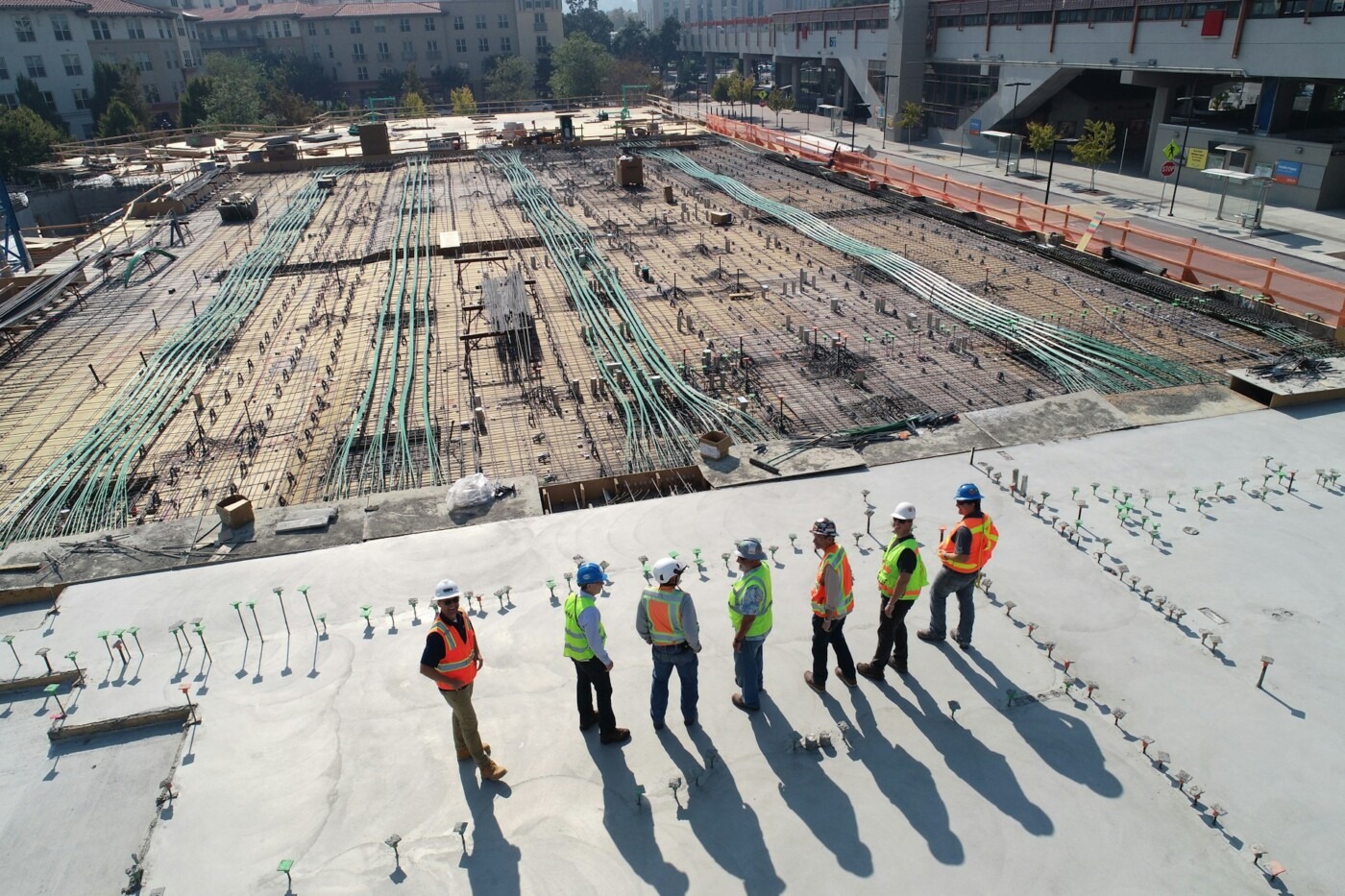
John C. Tune Airport is the busiest general aviation airport in Tennessee, and serves regional, corporate, and private aircrafts. Engineers found unstable soil conditions during the airport’s expansion, and chose precast retaining walls to solve the problem. Over 800 retaining blocks were used to stabilise the site to create a gravity wall over 25 feet high. This minimised excavation and maintained stability. Pre-cast retaining walls improve the safety of projects in multiple ways. The controlled environment in which they’re built allows for more consistency and reduces the risk of errors. There’s less exposure to hazards, including heavy materials and poor weather, and they minimise the risk to workers.
Flood Alleviation, Essex Highways
Flood alleviation projects aim to protect homes and businesses from floods in the future. A major benefit of precast retaining walls is their greater durability. The high-quality concrete can withstand retaining soil and water, and resist moisture and weathering. These walls are more resistant to deterioration than traditional materials like timber and stone. They’re often reinforced with steel which can help to enhance structural integrity.
UK Highways
Another benefit of precast retaining walls is their versatility, meeting the needs of various construction projects. Two sections of smart motorway upgrades in 2018 used retaining walls to meet their unique demands. The smart motorways of M20, J3-5 and M23, J8-10 were widened to “accommodate extra lanes, emergency areas, and gantry bases”, according to the supplier. The project ultimately saved about £16 million by choosing precast retaining walls, instead of acquiring additional land for excavation. The upfront costs of these walls can sometimes be higher, but their quick installation reduces labour costs and they require less maintenance and repair. Since pre-cast walls are manufactured off-site, there’s less disruption to projects, fewer weather-caused delays, and less need for equipment.
Lidl Regional Depot
Lidl used over 1km of retaining wall to make space for a new 630,000 square foot distribution centre in Motherwell. The project was to build Lidl’s largest distribution warehouse in Britain. The installation team coordinated the precast deliveries and oversaw the precast lifting at the site. Large construction projects can take a toll on the environment, but precast retaining walls offer a more environmentally-friendly option. Precast plants can recycle water and raw materials, and minimise on-site disruption and the impact on the surrounding landscape.
Liverpool Docks Warehouse
Alexandra Dock, in Liverpool, used a bespoke precast retaining wall package for their construction of a 240,000 square foot multi-user warehouse. The warehouse is 400m long and is built to withstand high winds and rain in the exposed location. The warehouse used 586m of retaining walls and the quick installation helped to keep the project on track. The joints between the units were mastic sealed inside and out to ensure that they’re waterproof for the docks’ wet conditions.