Maximizing Thermal Insulation for Your Windows: 5 Proven Strategies for Energy Efficiency and Comfort
Heat loss through windows is a major culprit for escalating energy bills, reduced thermal comfort, and an unnecessarily large carbon footprint. This issue is particularly pronounced in homes with single-glazed windows or older frames that lack proper insulation. However, by understanding and implementing effective strategies, you can transform your windows into formidable barriers against heat loss, resulting in significant energy savings and a cozier living environment.

Upgrading to Energy-Efficient Windows: A Wise Investment
Upgrading your windows to energy-efficient models is the most impactful way to enhance thermal insulation and achieve lasting energy savings. If you’re wondering how to insulate windows effectively, here’s a breakdown of your options:
Windows Double Glazing: A Cost-Effective Upgrade
- Double glazing is a substantial improvement over single glazing, featuring two panes of glass separated by an insulating layer of air or gas. This construction drastically reduces heat transfer, keeping your home warmer in winter and cooler in summer.
- Double glazing is a popular choice for those seeking to insulate single glazed windows without a full replacement, offering a good balance of performance and affordability.
Triple Glazing: The Ultimate Thermal Barrier
- Triple glazing takes insulation to the next level with three panes of glass and two insulating layers. This results in exceptional thermal insulation, significantly reducing heat loss and improving energy efficiency.
- Consider triple glazing if you live in a region with extreme temperatures or if you prioritize maximizing energy savings and thermal comfort.
Low-Emissivity (Low-E) Coatings: The Invisible Shield
- Low-E coatings are microscopically thin metallic layers applied to the glass surface. They reflect radiant heat back into your home in winter, while preventing excessive heat gain in summer.
- Most windows that are energy efficient come equipped with low-E coatings as a standard feature, enhancing their thermal insulation properties.
Ask the installer what the full quote includes, from removal and disposal to sealing and finishing around the frames. A reputable company provides a warranty with the new windows, ensuring clear coverage if any adjustments are needed after the work is completed. Keep the paperwork in a safe place and confirm who to contact if you need service later.
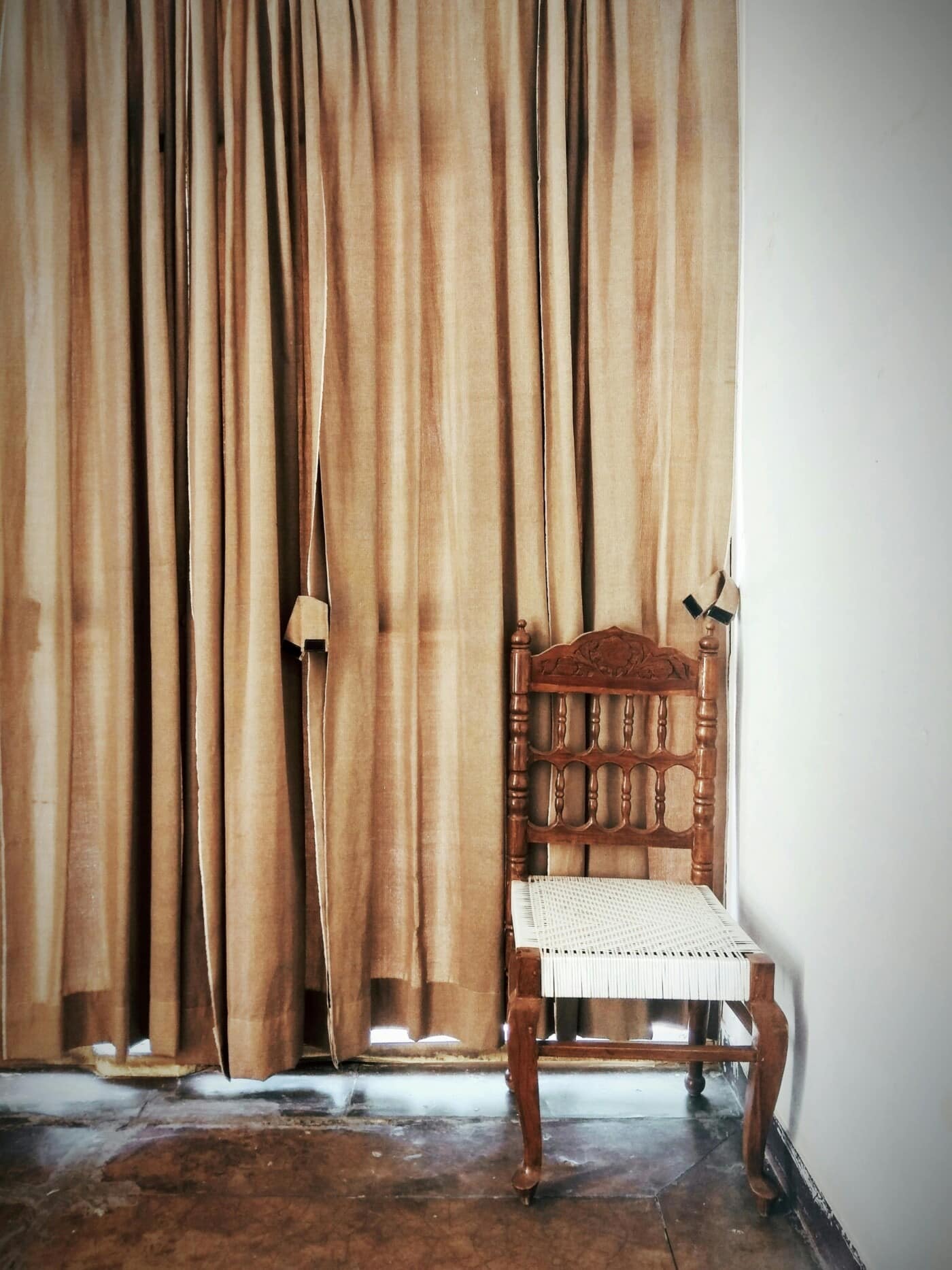
Effective Window Treatments: Stylish and Functional
Window treatments offer a versatile and aesthetically pleasing way to enhance windows thermal insulation without replacing your existing windows.
Thermal Curtains: A Classic Solution
- Thermal curtains are specifically engineered to minimize heat loss. Their thick, insulating fabrics create a barrier between your windows and the room, keeping warmth inside during colder months and blocking out excess heat in summer.
- Today’s thermal curtains come in a wide range of colors, patterns, and textures, allowing you to enhance your interior décor while improving energy efficiency.
Honeycomb Blinds: Cellular Insulation
- Honeycomb blinds feature a unique cellular structure that traps air, creating an effective insulating layer. They are particularly effective at reducing heat transfer through windows.
- Honeycomb blinds are available in various cell sizes and opacities, offering flexibility in light control and privacy.
Tips for Maximizing the Benefits of Window Treatments:
- Close curtains and blinds during the night and when you’re not using a room to trap heat inside.
- Open them during sunny days to allow natural sunlight to warm your home.
- Consider motorized or automated window treatments for effortless operation and convenience.
Seal Air Leaks and Drafts: A Crucial Step
Even the smallest gaps around your window frame and sashes can compromise your windows’ thermal insulation. Proper sealing is essential to prevent drafts and ensure optimal energy efficiency.
Weatherstripping: A Simple yet Effective Solution
- Weatherstripping is a flexible material that seals gaps between the window and the frame. It’s readily available in various forms, such as adhesive-backed foam tape, felt, and vinyl.
- Installing weatherstripping is a DIY-friendly project that can yield significant reductions in heat loss.
Caulking: For Larger Gaps and Cracks
- Caulking is a sealant used to fill larger openings around windows. It creates an airtight seal, preventing drafts and improving thermal insulation.
Identifying and Addressing Air Leaks:
- Inspect your windows for gaps, cracks, or areas where the window frame doesn’t fit tightly against the wall.
- Apply weatherstripping or caulking as needed to seal these openings and prevent unwanted air infiltration.

Window Insulation Film: An Affordable DIY Option
Window insulation film is a budget-friendly solution for enhancing windows thermal insulation without the need for professional installation.
How It Works:
- This transparent film adheres to the glass, creating an additional layer of insulation that reduces heat loss.
- Many window insulation films also offer UV protection, shielding your furnishings from fading and reducing glare.
Installation Tips:
- Clean the windows thoroughly before applying the film.
- Measure and cut the film to size, leaving a slight overlap.
- Use a squeegee or similar tool to smooth out the film and remove air bubbles.
Secondary Glazing: An Additional Layer of Defense
Secondary glazing involves installing an additional internal window to your existing one, creating an insulating air gap that dramatically improves thermal insulation. This approach is particularly popular for insulating single glazed windows without the need for replacement.
Benefits of Secondary Glazing:
- Significant reduction in heat loss, leading to lower energy bills and improved thermal comfort.
- Enhanced sound insulation, creating a quieter living environment.
- Reduced condensation, preventing moisture buildup and potential mold growth.
By implementing these five proven strategies, you can optimize your windows’ thermal insulation, transforming your home into a more energy-efficient and comfortable space. Remember, the most effective approach will depend on your specific needs, budget, and the condition of your existing windows. Consult with a window professional to explore the best options for your home and maximize your energy savings.