Spring always gets me excited about gardening. We’re finally in our new home now, and after all that waiting last year, I can’t tell you how good it feels to finally have my dream garden to work with! The days are getting longer, the soil’s warming up, and everything just feels ready to grow again. If you’re wondering what to plant in spring or just getting started with spring gardening, this guide covers everything you need to know.
Updated January 2026
- Why Spring Planting Matters
- When To Start Planting In Spring
- Getting Your Garden Ready
- Assessing Your Garden Space
- What Vegetables To Plant In Spring
- Spring Flowers For UK Gardens
- Spring Gardening Trends For 2026
- Care and Maintenance Through Spring
- Common Questions About Spring Planting
- Making The Most Of Spring
- FAQs

Why Spring Planting Matters
Spring isn’t just about pretty flowers popping up – it’s actually the most important time in the gardening calendar. The soil starts warming up (finally!), there’s plenty of natural rainfall, and plants have the whole growing season ahead of them to establish strong roots before summer arrives.
What I love about spring is that you can grow both cool-season crops that thrive in the milder weather and get a head start on summer vegetables too. The longer daylight hours mean seeds germinate faster, and young plants put on growth quickly.
When To Start Planting In Spring
This is the question everyone asks, and honestly, it depends on where you are in the UK and what you’re planting. Most gardeners start around late March to early April, but if you’re up north, you might need to wait a bit longer.
The most important thing? Your last frost date. Check when frost typically ends in your area because a late frost can absolutely devastate young plants. If you’re not sure, seed packets usually have good guidance, or just pop into your local garden centre and ask. They’ll know your area’s quirks better than anyone.
In 2026, we’re also seeing more unpredictable weather patterns, so keeping an eye on the forecast and being ready to protect tender plants is more important than ever.
Getting Your Garden Ready
Before you start planting anything, you need to sort your soil out. Over winter, it gets compacted and tired-looking.
Grab a garden fork and break up the soil. This aerates it and makes it easier for roots to spread. Then – and this is crucial – add organic matter like compost or well-rotted manure. I can’t stress enough how much difference this makes. It improves drainage, adds nutrients, and just makes everything grow better.
For clay soils (which we have in parts of our garden), you can work in some sharp sand to improve structure, but honestly, organic matter does most of the heavy lifting. If you’ve got sandy soil, spring is your best time to prepare beds.
Assessing Your Garden Space
Not all gardens are the same, and understanding yours makes a massive difference.
Check Your Aspect
North-facing gardens get less sun, so they’re better for shade-lovers like raspberries, blackberries, and leeks. Our garden faces south, which is brilliant for sun-worshippers like tomatoes, peppers, and herbs.
Size Doesn’t Matter (Much)
Got a tiny garden or just a balcony? Containers and window boxes work brilliantly for spring planting. We’re using raised beds this year, which are easier on your back and you can control the soil quality better.
Soil Quality
Test your soil pH if you can – around 7 is ideal for most plants. Check drainage too – you want water to drain within a few hours but not immediately. If it’s too fast, add compost. Too slow? Work in some grit or organic matter.
What Vegetables To Plant In Spring
This is where it gets exciting. Here are the vegetables I’m growing this spring:
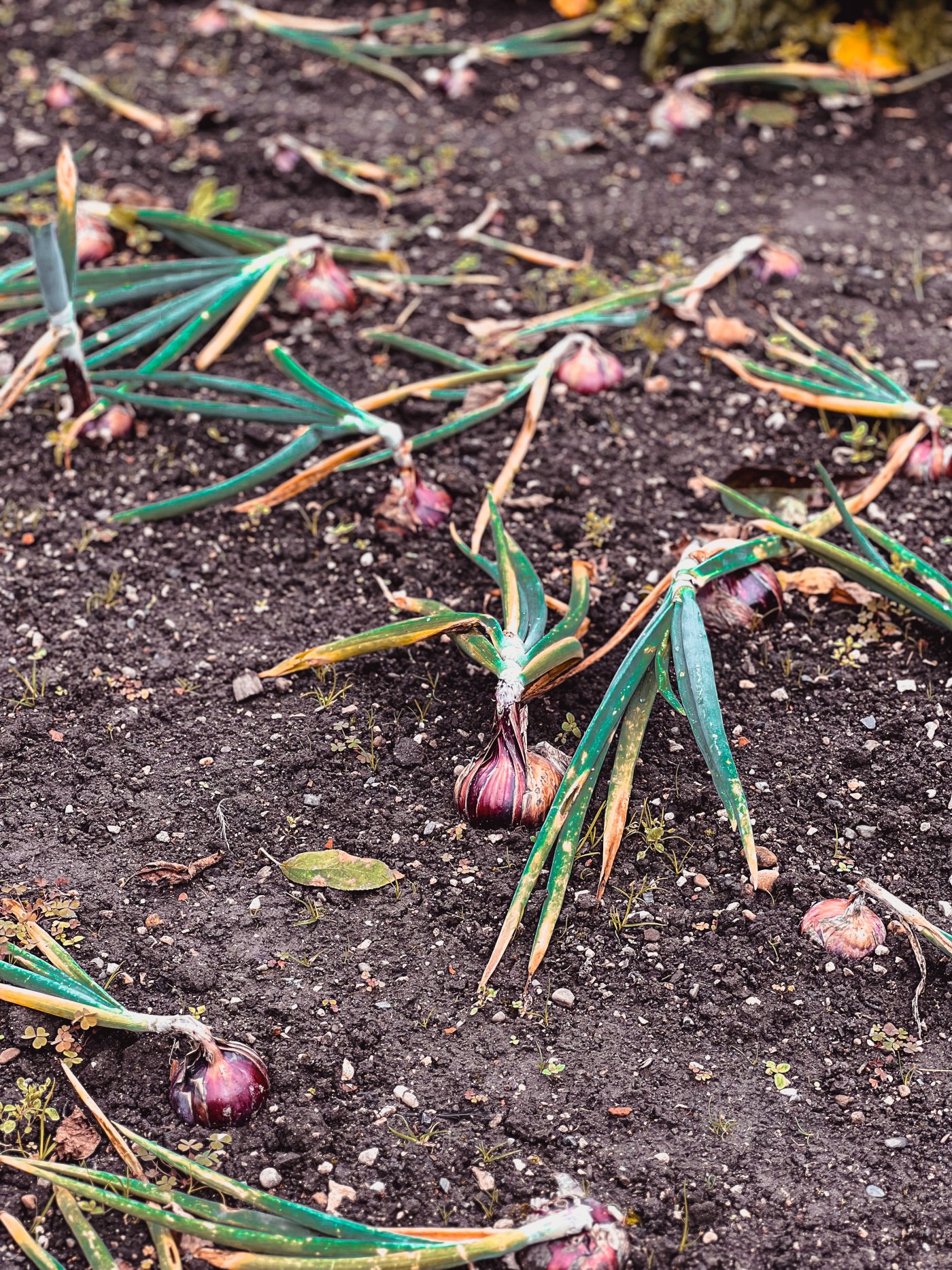
Onions and Shallots – Plant sets from February or March. They’re so low-maintenance and you can just leave them to get on with it until late summer.
Early Potatoes – We’re starting ours in containers in late February to get a head start. Once the frost risk passes, they’ll go outside. Last year our potato harvest was incredible, so we’re expanding this year.
Broad Beans – Hardy as anything. Sow directly outside from February. They can handle a bit of cold and are ready surprisingly quickly.
Peas – Another hardy one. Choose early varieties and give them something to climb. We’re using bamboo canes.
Garlic – Plant cloves pointy-end up from February. Our garlic from last year kept for months.
Lettuce – Start indoors in February or sow outside in March under cloches. For a constant supply, sow a bit every couple of weeks.
Spinach – Sow directly outside from February. It loves the cooler spring weather and you can pick it young as baby leaves.
Kale – Another cold-hardy leafy green. We’re growing both curly and cavolo nero this year.
Radishes – Quick growers that are ready in weeks. Perfect for kids or impatient gardeners (like me).
Carrots – We’re starting some indoors in February for transplanting in March. Choose early varieties like ‘Nantes’ or ‘Paris Market’ for containers.
Beetroot – Sow from March onwards. Both early and maincrop varieties work well.
Swiss Chard – Colourful and productive. The ‘Bright Lights’ variety looks gorgeous in the garden.
Spring Cabbage – If you planted these last autumn, they’ll be ready to harvest now. For this year’s crop, plant in late summer.
Spring Flowers For UK Gardens
Flowers are what make spring magical. Here’s what I’m growing:
Primroses – Our native primrose is just beautiful with pale yellow blooms. They spread naturally and come back year after year.
Snowdrops – These bloom incredibly early, sometimes as soon as January. Plant them ‘in the green’ (after flowering) for best results.
Crocuses – Cheerful purple, yellow, and white flowers that bumblebees absolutely love. We’ve naturalised them in part of our lawn.
Daffodils – Would it even be spring without daffodils? We’ve got traditional yellow ones and some white varieties too. ‘Tête-à-tête’ is brilliant for pots.
Tulips – If you didn’t plant bulbs last autumn, you can buy potted ones ready to go. They add that wow factor to spring borders.
Hellebores – These winter roses start flowering in late winter and keep going into spring. The spotted varieties are stunning.
Hyacinths – The scent is incredible. We’ve got them in pots by the front door so we smell them coming in.
Wallflowers – Orange, yellow, red, and purple blooms that smell gorgeous and attract pollinators.
Sweet Peas – We’re starting ours from seed indoors in February. The scent and cut flowers make them worth the effort.
Violas and Pansies – Hardy as anything and flower for months. Brilliant for pots and window boxes.
Spring Gardening Trends For 2026
Gardening is evolving, and 2026 brings some interesting shifts. Climate-resilient plants are huge this year – think drought-tolerant perennials like salvias, verbenas, and ornamental grasses that can handle whatever weather we get.
There’s also a big focus on plants for pollinators. The RHS’s ‘Bringing Nature Home’ campaign is highlighting how important it is to support bees and other pollinators, so single-flower varieties (rather than doubles) are becoming popular again.
Indoor-outdoor plants are trending too. Spider plants, tradescantias, and lantanas that traditionally stayed indoors are now spending summers outside, then coming back in for winter.
And finally, edible gardens are everywhere. People are growing unusual fruits like figs, persimmons, and compact fruit trees alongside traditional vegetables. It’s about making gardens work harder and provide food as well as beauty.
Care and Maintenance Through Spring
Early Spring (February-March)
Clear debris from winter – all those dead leaves and twigs. Prune summer-flowering shrubs before new growth starts. Start weeding early before they get established. Apply compost to beds and a balanced fertiliser.
Start sowing seeds indoors for things that need a head start. Mulch garden beds to retain moisture and suppress weeds.
Mid-Spring (April)
Monitor watering as temperatures rise. Support tall plants that might flop. Deadhead flowers regularly to encourage more blooms. Keep on top of weeding.
This is prime planting time for vegetables and summer bedding. Divide overcrowded perennials. Watch for pests and deal with them quickly.
Late Spring (May)
Water deeply and regularly, especially new plants. Maintain mulch layers. Keep deadheading. Support plants laden with flowers or fruit.
Harvest vegetables like peas and beans frequently to encourage more production. Check for pest damage and treat organically where possible.
Common Questions About Spring Planting
What if I have clay soil? Work in organic matter rather than trying to fight it. Raised beds can help, or grow in containers. Avoid working clay when it’s very wet or very dry.
Can I still plant if I missed February? Absolutely. Many plants can go in through March and April. Some, like squashes and tender vegetables, are better planted later anyway once frost risk has passed.
What about protecting plants from frost? Keep fleece handy for unexpected cold snaps. Bring tender plants in pots indoors overnight. Cover vulnerable plants with cloches or even upturned buckets.
How often should I water in spring? Less than you think! Check soil moisture with your finger. Water deeply when needed rather than little and often. Morning watering is best.
Do I need a greenhouse? Not essential, but it extends your growing season massively. Even a small cold frame helps. We’re using our greenhouse to start tomatoes, peppers, and cucumbers early this year.

Making The Most Of Spring
Spring gardening is as much about timing as it is about effort. With unpredictable British weather, flexibility matters more than strict schedules. Keep fleece on hand, watch the forecast, and don’t be afraid to cover plants if frost threatens.
Start small if you’re new to this. A few pots of herbs, some lettuce, and a handful of spring bulbs are enough to get going. Gardens are forgiving – mistakes teach you more than perfection ever could.
The most important thing? Enjoy it. There’s something deeply satisfying about watching seeds germinate, seeing bulbs push through soil, and picking your first harvest. That’s what spring gardening is really about.
FAQs
Preparing Your UK Garden for Spring
Q: What are the top tips for getting my UK garden ready for spring?A: To prepare your garden for spring, you should order summer-flowering bulbs and seeds, tidy up flower beds and borders, clean your greenhouse, sow seeds that need a longer season, remove garden pests, collect rainwater with water butts, and relocate deciduous shrubs.
Q: How should I get the soil ready for planting in the UK?A: For clay soils, incorporating sharp sand can improve the soil structure, but for very heavy clay, it’s better to just add well-rotted organic matter. For light, sandy soils, prepare them in spring. Autumn is the best time to prepare clay soils.
Q: What steps can I take to plan my garden for the upcoming spring?A: When planning your garden for spring, write down your goals, clean up outdoor spaces, maintain your tools, care for trees and shrubs, enhance garden soil, prepare early plants for planting, edge your garden beds, and take measures to prevent weeds.
What to Plant in Spring in the UK
Q: What vegetables are suitable for planting in the UK during spring?A: In the UK spring, you can sow seeds outdoors for vegetables like beetroot, carrots, Swiss chard, summer cauliflower, kohl rabi, lettuce, leeks, radish, turnip, spring and pickling onions, peas, and perpetual spinach in well-prepared soil.
Q: Can you tell me which vegetables I can plant outside in April in the UK?A: In April, you can plant broad beans, beetroot (early and maincrop varieties), early carrots, quick cultivars of calabrese like Belstar and Green Sprouting, coriander, kohl rabi, lettuce, and parsnips outside.
Q: What vegetables can I plant in April in the UK, and can they be grown in pots?A: April is the time to plant potatoes, onion sets, shallots, garlic, and Jerusalem artichokes. Many vegetables, such as carrots, salads, and radishes, can also be grown in pots, which is convenient for easy picking near the house.
Q: What produce is typically grown in the UK during spring?A: In spring, UK gardens typically see the growth of artichoke, beetroot, carrots, chicory, leeks, parsnip, purple sprouting broccoli, radishes, rhubarb, sorrel, spring greens, spring onions, and watercress.
Planting and Growing Vegetables in the UK
Q: When is the ideal time to start planting my garden in the UK?A: Most vegetables are sown in the UK between March and May. However, some can be planted earlier or later, especially if you begin sowing indoors on a windowsill or in an unheated greenhouse before transferring them outside.
Q: Is it too late to begin a garden in April?A: It’s usually not too late to start a garden in April. While April and May are optimal for starting a vegetable garden, there are ways to extend your planting window even if you’ve missed this period.
Q: In what sequence should I plant the vegetables in my garden?A: A good rule of thumb for planting your garden is to place tall vegetables towards the back, mid-sized ones in the middle, and smaller plants in the front or as a border.
Q: What are some vegetables that are easy to grow for beginners in the UK?A: For beginners in the UK, easy-to-grow vegetables include beetroot, chili peppers, chives, courgettes (zucchini), annual herbs, rocket (or wild rocket), salad leaves, squashes, pumpkins, sweet million tomatoes, French beans, lollo rosso lettuce, multi-sown beetroot, sugar snap peas, and radishes.
Related posts: