When people think about what goes into running a successful business in the modern day and age, they rarely think about water safety. Normally, the mind goes to social media campaigns, sorting out supply chain issues, and recruiting the best possible members for your team. While these are all crucial, the simple fact is that water safety issues will always remain paramount for all businesses that maintain brick-and-mortar premises.
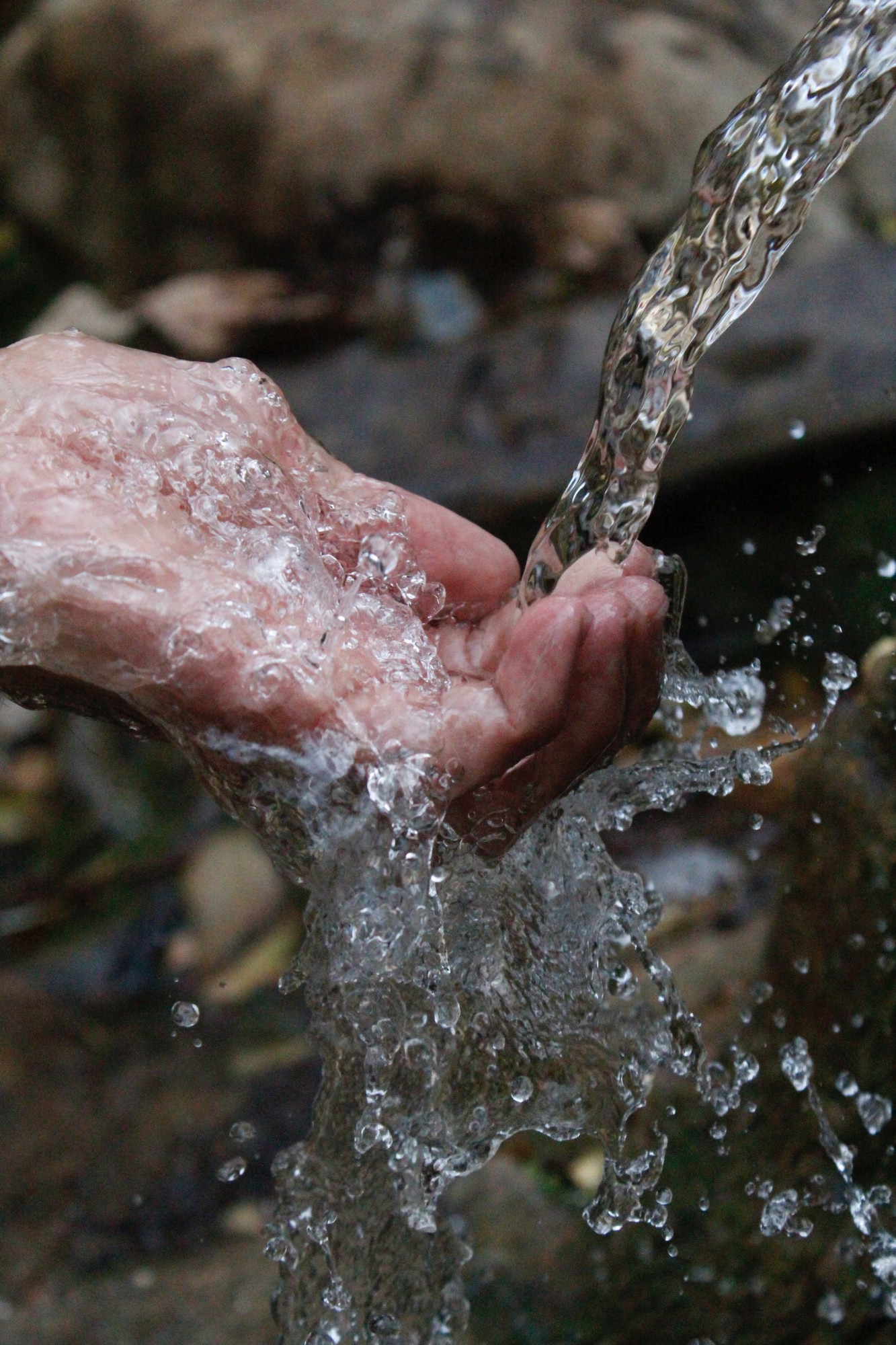
What are some of the risks associated with water?
While we’re used to having access to safe water sources, when run in a dangerous manner, water systems can result in a range of serious issues. Perhaps most importantly, water systems can become contaminated, potentially leading to serious diseases.
Whether something such as Legionnaires’ disease that results from the Legionella pneumophila bacteria, or a digestive disorder such as giardiasis that results from a parasite, these risks are absolutely something you need to take seriously as a business owner.
Your legal responsibilities as a business owner
As a business owner, you have certain legal responsibilities when it comes to water safety. According to the Workplace (Health, Safety and Welfare) Regulations, all employers are legally required to provide access to safe, potable water at all times. In some situations, they may be required to provide access to water sources for cleaning as well.
Protecting your brand
Quite aside from the legal responsibilities you have, water safety is also incredibly important when it comes to protecting your brand image. If a serious water-related incident were to occur, it could be extremely difficult to attract the right talent, let alone customers who’d be willing to trust your business again. In certain areas such as hospitality and tourism, that rely so heavily on positive brand image, it could be a death sentence to your business.
Water safety plan
To ensure the ongoing safety of your water systems, you’ll need to put a water safety plan into place. Your water safety plan is essentially the overarching structure you’ll use to ensure water safety in your business, and it will include your approach to risk assessment, risk management, and the assignment of responsibility within the organisation.
This will include creating a Water Safety Group, which will include a Responsible Person, a Deputy Responsible Person, and a range of other positions. Exactly what the plan and group look like will depend on your business; the definitions are intentionally flexible, to account for as wide a range of different organisations as possible.
It’s important that you seek assistance from a water hygiene specialist when creating your plan. While the plan can be flexible, it will provide the foundations for your successes and failures in this area going forward, meaning you’ll want to start off on a strong footing.
Water safety is clearly not something to overlook. With certain waterborne diseases becoming more, not less common, it’s absolutely not something that your business can afford to become complacent about. By taking some clear, well-thought-out preventative measures, you can absolutely keep the risk to a minimum in all situations.