Are you considering a destination wedding? Destination weddings are becoming more and more popular each year. There are many things to consider when planning a destination wedding, from choosing the right location to arranging transportation and accommodations. This blog will discuss eight steps that will help make your destination wedding planning process as smooth as possible!
1) Choose your wedding date:
This is one of the most important steps in planning a destination wedding. You will need to consider the weather at your chosen location, as well as any peak travel times that could make it difficult or more expensive to book flights and hotel rooms. Try to give yourself at least six months to plan a destination wedding. This will give you enough time to research locations, compare prices, and book all of your travel arrangements.
If you can be flexible with your wedding date, it may be easier to find deals on airfare and accommodations. For example, many couples choose to get married on a weekday instead of a weekend in order to save money. Keep in mind that some popular destinations may require you to book your venue and other wedding vendors well in advance, so be sure to do your research before choosing a date.
2) Choose your wedding location:
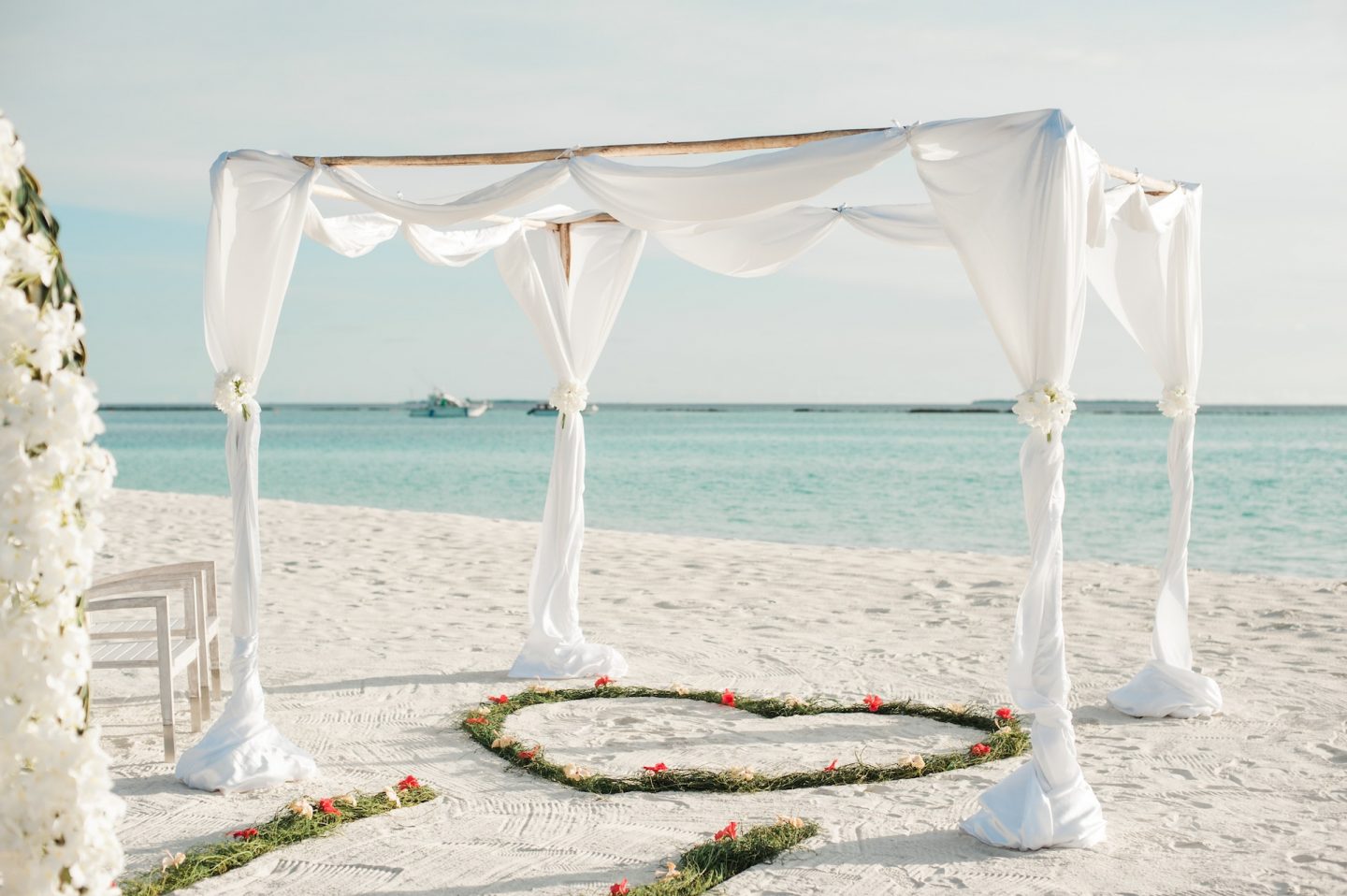
There are many factors to consider when choosing a destination for your wedding. For example, if you have always dreamed of getting married on a white sand beach, then you will need to choose a location that offers this type of setting. Other things to consider include the climate, the cost of living in the area, and whether or not there are direct flights from your home airport. Once you have narrowed down your list of potential locations, it is time to start researching venues!
Be sure to read reviews of potential venues before making any final decisions. You will also want to ask about pricing, as some destinations may be more expensive than others. In addition, if you plan on having guests travel from out of town, you will need to make sure there are enough hotel rooms in the area.
3) Book your travel arrangements:
If you are planning a destination wedding, it is essential to start booking your travel arrangements as soon as possible. This will ensure that you get the best prices on airfare and accommodations. Also, be sure to ask about any group discounts that may be available.
When choosing your hotel, be sure to read reviews and compare rates. You will also want to make sure the hotel is located in a safe area and that they offer a shuttle service to and from the airport. If you are renting a car, be sure to research the best routes to take in order to avoid any traffic delays on your big day.
4) Arrange for transportation:
Once you have arrived at your destination, you will need to arrange for transportation to and from your wedding venue. If you are renting a car, be sure to ask about the best routes to take in order to avoid any traffic delays on your big day. You will also want to make sure the rental company offers insurance in case of any accidents.
If you are taking a taxi or Uber, be sure to ask about the fare in advance so that there are no surprises on your wedding day. You may also want to consider hiring a limousine for yourself and your guests if you are planning a large wedding.
No matter what type of transportation you choose, be sure to make all of your arrangements in advance so that you can relax and enjoy your big day.
5) Choose Your Wedding Rings:
A major aspect of planning a destination wedding is to choose the wedding rings way ahead of time. You and your partner should decide on which style of wedding rings you would like to have. There are numerous Mens Wedding Bands styles that you can choose from.
After you have decided on your choice of wedding ring, now go ahead to actually purchasing them. Do not wait until the last minute!
6) Choose your wedding vendors:
One of the most important aspects of planning a destination wedding is choosing the right vendors. This includes everything from your photographer to your florist. Be sure to do your research in advance and read reviews of potential vendors. Once you have found a few that you like, be sure to get pricing information and compare rates.
You will also want to make sure that your chosen vendors are available on your wedding date. For example, many couples choose to book their photographer and videographer well in advance in order to ensure they are available on their big day. The same goes for any other type of vendor that you may need, such as a florist or baker.
When it comes to photographers, you may want to book someone who specialises in destination weddings. This way, you can be sure they are familiar with the area and can capture all of the best aspects of your chosen location. Vittore Buzzi elopement photographer is an excellent example of a vendor who specialises in destination and elopement weddings.
Don’t also forget to book a band or DJ if you plan on having music at your reception. Be sure to ask about their song list and whether or not they have any special requests.
7) Send out your invitations:
Once you have booked all of your vendors and made all of your travel arrangements, it is time to start working on your invitations. Be sure to give yourself plenty of time to design and print them. You will also want to make sure you include all of the important information, such as the date, time, and location of your wedding.
If you are having a destination wedding, be sure to include information about travel arrangements and accommodations in your invitation. You may also want to provide a map of the area so that your guests can find their way around.
Be sure to send out your invitations at least six weeks in advance so that your guests have plenty of time to make their travel arrangements.
8) Choose your wedding dress:
One of the most important aspects of any wedding is the bride’s dress. If you are planning a destination wedding, you will want to choose a dress that is both comfortable and stylish. Be sure to consider the climate of your chosen location when selecting your dress. You may also want to consider having your dress made specifically for you so that it fits perfectly. For example, if you are planning on having a beach wedding, you may want to choose a lighter material such as linen or chiffon. For a more formal affair, you may want to opt for something like satin or silk.
9) Make travel arrangements for your guests:
If you are having a destination wedding, you will need to make travel arrangements for your guests. This includes booking flights, rental cars, and hotels. Be sure to book early in order to get the best rates. You may also want to consider providing transportation for your guests from the airport to the hotel.
You will also need to make sure you have enough room at the hotel for all of your guests. Many couples choose to block off a certain number of rooms at a discounted rate. This way, their guests can stay at the same hotel and be close by during the wedding festivities.
Don’t forget to make arrangements for any children that may be attending your wedding. This includes booking babysitters or arranging for childcare at the hotel.
And lastly, don’t forget to have fun:
Planning a destination wedding can be a lot of work, but it is also a lot of fun. So be sure to take some time to enjoy the process and the lead-up to your big day. After all, this is one of the most important days of your life!